

Operation Process and Working Principle of Dust-Free Metering Pneumatic Conveying Systems
HeadPowder, a leading engineering company based in Shandong, China, specializes in the design and manufacturing of advanced dust-free metering pneumatic conveying systems. These systems are crucial in industries such as pharmaceuticals, food processing, and chemical manufacturing, where maintaining a clean and controlled environment is paramount. The following content will explore the operation process and working principle of these systems, highlighting their efficiency and reliability.
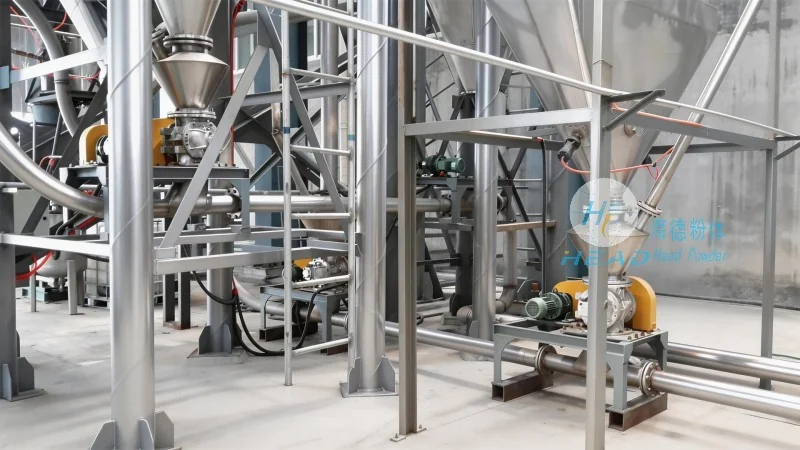
Company Overview: Shandong HeadPowder Engineering Co., Ltd.
HeadPowder is a professional enterprise dedicated to providing high-quality pneumatic conveying solutions. With a strong presence in Shandong, China, the company leverages its expertise to deliver systems that meet stringent industry standards. The company's commitment to innovation and customer satisfaction has established it as a trusted partner in the field of material handling and processing.
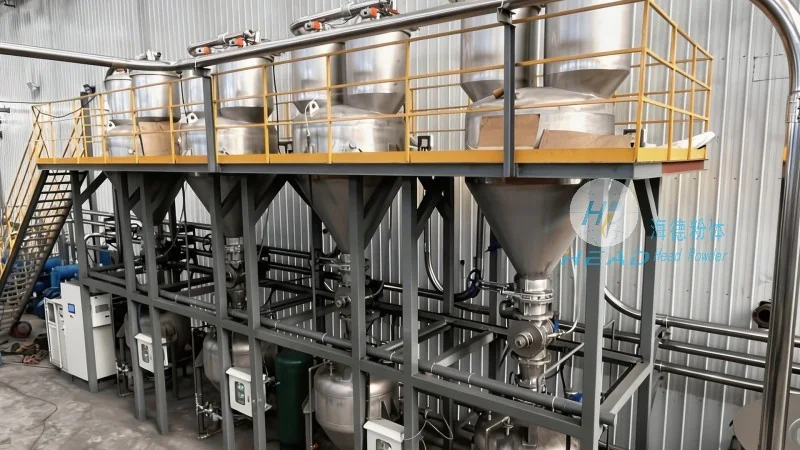
The Operation Process of Dust-Free Metering Pneumatic Conveying Systems
The operation of a dust-free metering pneumatic conveying system involves several key steps that ensure precise and controlled material transport. The process begins with the loading of the material into the hopper or feeder. The system then uses a metering device to regulate the flow rate of the material, ensuring consistent delivery. Next, the material is conveyed through a pipeline using compressed air or other gas, which propels the material forward. The system includes components such as a rotary valve, air filter, and pressure regulator to maintain optimal performance. The entire process is designed to minimize dust generation and ensure a clean transfer of materials. The material is typically stored in a hopper or silo, which is equipped with a feeder that controls the flow rate. The feeder may be a rotary valve, a screw conveyor, or a vibratory feeder, depending on the material's properties and the required flow rate. The material is then introduced into the pneumatic conveying system through the feeder. The system uses a compressor or blower to generate compressed air, which is fed into the pipeline. The air pressure is regulated by a pressure regulator to maintain a consistent flow rate. The material is then conveyed through the pipeline, which may include bends, elbows, and other components to direct the flow. The system includes a dust collection system, such as a cyclone or a bag filter, to capture any particles that may be released during the process. The collected dust is then disposed of or recycled, depending on the material and the industry requirements. The entire process is automated, with sensors and controls monitoring the system's performance and adjusting the flow rate as needed to ensure optimal operation.
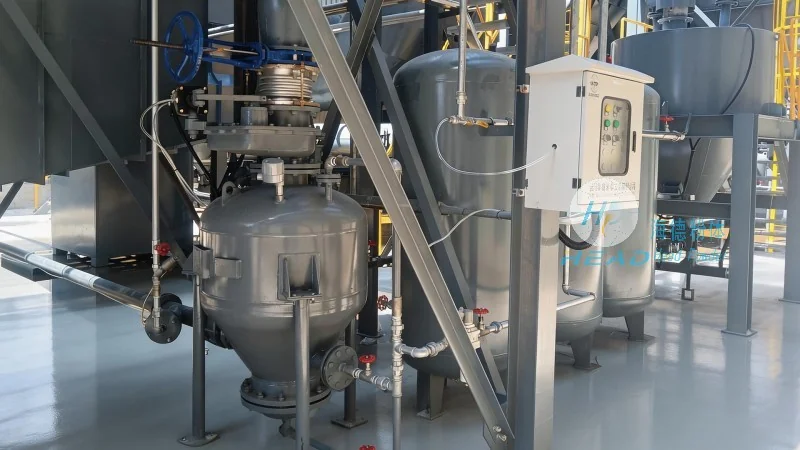
Working Principle of the System
The working principle of a dust-free metering pneumatic conveying system is based on the use of air to transport solid materials. The system operates by creating a pressure differential between the inlet and outlet of the pipeline. The material is introduced into the system at a controlled rate, and the air flow carries the material through the system. The metering device, typically a rotary valve or a screw feeder, ensures that the material is fed at a precise rate, preventing overloading or underloading of the system. The air filter and pressure regulator maintain the air quality and pressure levels, ensuring efficient and safe operation. The system also includes a dust collection system to capture any particles that may escape, further enhancing the dust-free environment. The compressor or blower provides the necessary air pressure, which is crucial for the material transport. The pipeline system, made of materials like stainless steel or plastic, ensures the material is conveyed without contamination. The air filter removes any impurities from the air, preventing them from entering the system and affecting the material quality. The pressure regulator maintains a stable pressure, which is essential for consistent material flow. The dust collection system, such as a cyclone or a bag filter, captures any particles that may be released during the conveying process, ensuring that the environment remains clean and safe.
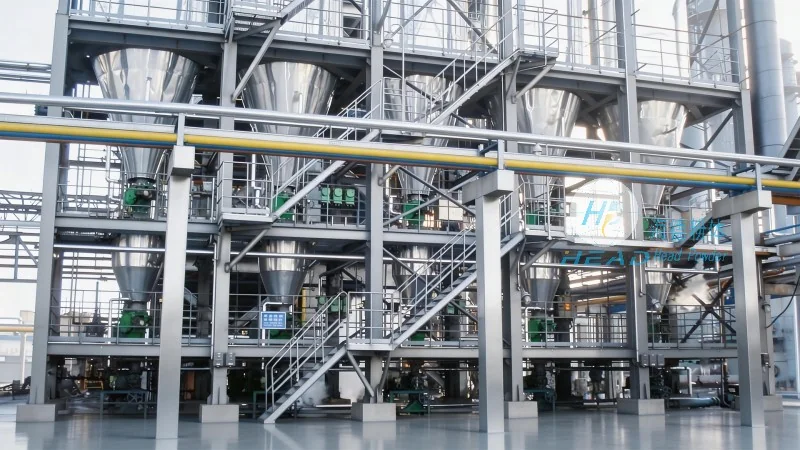
Key Components and Their Functions
Several critical components contribute to the effective operation of a dust-free metering pneumatic conveying system. The hopper or feeder is responsible for storing and feeding the material into the system. The material is typically stored in a hopper that is designed to minimize dust generation. The feeder, such as a rotary valve, is used to control the flow rate of the material. The rotary valve has a rotating disc with slots that allow the material to pass through at a controlled rate. The screw conveyor or vibratory feeder may be used for materials that are more cohesive or have a higher flow rate. The air compressor or blower provides the necessary air pressure to transport the material. The compressor is typically a positive displacement type, such as a rotary screw or a reciprocating compressor, which provides a consistent air flow. The blower, on the other hand, is a centrifugal type, which is more suitable for low-pressure applications. The pipeline system is made of materials like stainless steel or plastic, which are resistant to corrosion and can handle the material's properties. The pipeline includes bends and elbows to direct the flow, and may include a filter or a separator to remove any particles that may be present in the material. The air filter and pressure regulator maintain the air quality and pressure, ensuring that the system operates efficiently. The dust collection system, such as a cyclone or a bag filter, captures any particles that may be released during the process. The collected dust is then disposed of or recycled, depending on the material and the industry requirements. Each component works in harmony to ensure the system operates efficiently and safely.