

Operation Process and Working Principle of Fine Powder Pneumatic Conveying System
For industries dealing with fine powders, efficient material handling is crucial for maintaining production efficiency and product quality. The fine powder pneumatic conveying system, a technology developed by Shandong HeadPowder Engineering Co., Ltd., offers a reliable solution for transporting these delicate materials. This system combines advanced engineering with practical application, ensuring smooth and effective material transfer while minimizing the risk of contamination and degradation.
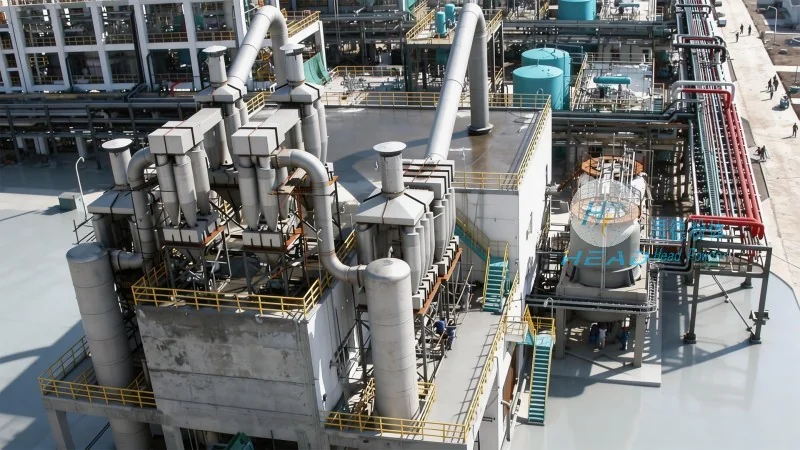
Key Components of the Pneumatic Conveying System
The fine powder pneumatic conveying system consists of several core components that work in harmony to achieve optimal performance. These components include the material hopper, which serves as the storage and feeding unit; the air compressor or blower, responsible for generating the necessary airflow; the conveying pipeline, which transports the powder; and the control system, which regulates the entire process. Each component is designed to handle the specific challenges associated with fine powders, such as dust generation, clogging, and material degradation.
The Working Principle of the System
The operation of the fine powder pneumatic conveying system is based on the principle of pneumatic transport, where air is used to move the powder particles through a pipeline. The process begins with the material being fed from the hopper into the conveying line. Simultaneously, the air compressor generates a high-pressure airflow that is introduced into the pipeline. As the air flows through the line, it creates a negative pressure or positive pressure environment, depending on the system design, which pulls or pushes the powder particles along with it. The fine powder particles are entrained by the air stream and transported to the destination point, such as a silo or processing unit.
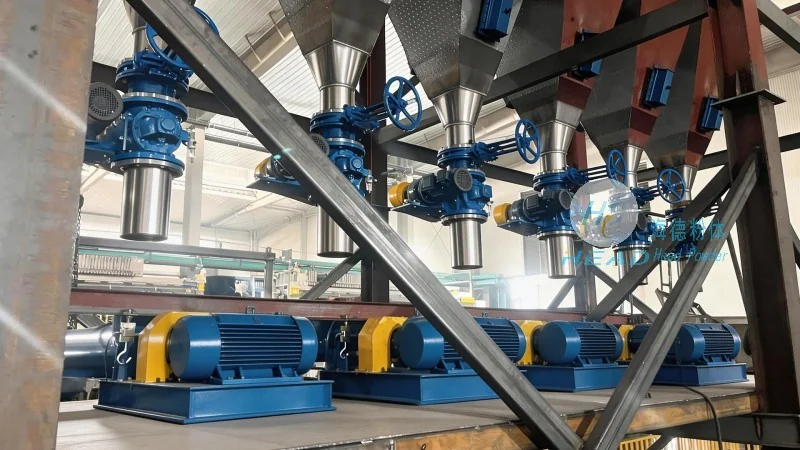
Operation Process: From Loading to Delivery
The operation process of the fine powder pneumatic conveying system can be broken down into several sequential steps. First, the material is loaded into the hopper, where it is stored until needed. The control system then initiates the conveying process by activating the air compressor. The air flow is adjusted to the appropriate pressure and volume to ensure the powder is transported efficiently without excessive pressure drops or particle breakage. As the powder moves through the pipeline, it may encounter various features such as bends, valves, or filters, which are designed to maintain the flow and prevent clogging. The system continuously monitors the pressure and flow rates to ensure stable operation. Upon reaching the destination, the powder is discharged into the receiving container, completing the cycle.
Advantages of Using a Fine Powder Pneumatic Conveying System
Implementing a fine powder pneumatic conveying system offers numerous advantages for industrial applications. One of the primary benefits is the ability to handle delicate materials without causing degradation or contamination. The enclosed system prevents dust from escaping into the environment, reducing health hazards and environmental impact. Additionally, the system is highly flexible, allowing for changes in material flow rates and destinations without significant modifications. It also reduces labor costs by automating the material handling process and minimizing the need for manual intervention. The system's compact design and low maintenance requirements make it a cost-effective solution for various industries, including pharmaceuticals, food processing, and chemical manufacturing.
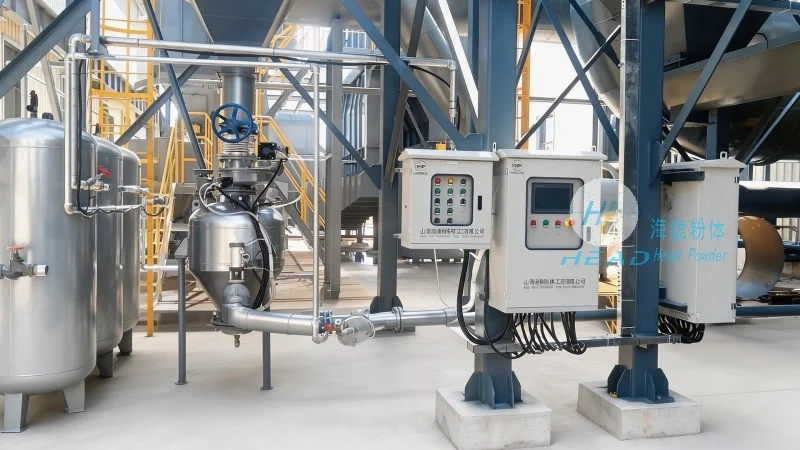
Applications in Different Industries
The fine powder pneumatic conveying system developed by Shandong HeadPowder Engineering Co., Ltd. is widely used across various industries due to its versatility and efficiency. In the pharmaceutical industry, it is used to transport active pharmaceutical ingredients (APIs) and excipients, ensuring strict contamination control. In the food processing sector, it handles powders like flour, sugar, and spices, maintaining product purity and preventing cross-contamination. The chemical industry utilizes the system for transporting fine chemicals, such as pigments and catalysts, where precise control over particle size and flow is critical. Other applications include the handling of minerals, ceramics, and other industrial powders, where the system's ability to handle fine particles is essential for maintaining product quality and process efficiency.
Conclusion: The Role of Shandong HeadPowder Engineering Co., Ltd.
Shandong HeadPowder Engineering Co., Ltd. has established itself as a leading provider of fine powder pneumatic conveying systems, combining advanced technology with practical solutions to meet the diverse needs of industries worldwide. By focusing on the specific challenges of fine powder handling, the company has developed systems that offer reliability, efficiency, and durability. The operation process and working principle of these systems are designed to ensure optimal performance while minimizing downtime and maintenance costs. As industries continue to demand higher standards of material handling, the fine powder pneumatic conveying system remains a vital technology, and companies like Shandong HeadPowder Engineering Co., Ltd. play a crucial role in advancing this field.