

Operation Process and Working Principle of Sand and Gravel Pneumatic Conveying Systems
HeadPowder, a leading engineering company based in Shandong, China, specializes in the design, manufacturing, and installation of advanced pneumatic conveying systems for the sand and gravel industry. These systems are essential for efficiently transporting bulk materials like sand, gravel, and other granular substances over long distances, often in challenging environments where traditional mechanical conveyors may not be suitable. The following article provides a detailed overview of the operation process and working principles of such systems, highlighting the key components and their functions.
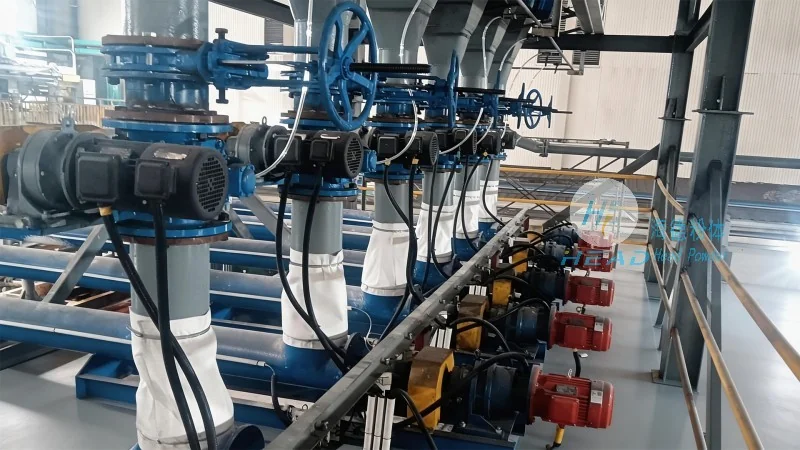
Key Components of Pneumatic Conveying Systems
The core components of a sand and gravel pneumatic conveying system typically include a material hopper, a rotary feeder, a conveying pipeline, a pressure vessel (or receiver), a dust filter, and a blower or compressor. Each component plays a critical role in the overall system performance. The material hopper stores the bulk material, ensuring a consistent feed. The rotary feeder regulates the flow of material into the pipeline, preventing blockages and maintaining a steady rate of material discharge. The conveying pipeline, often made of stainless steel or other corrosion-resistant materials, transports the material under pressure. The pressure vessel collects the conveyed material and allows for pressure equalization. The dust filter removes airborne particles to comply with environmental regulations and ensure safe operation. The blower or compressor generates the necessary air pressure to move the material through the system.
Operation Process of the System
The operation of a sand and gravel pneumatic conveying system involves several sequential steps. First, the bulk material is loaded into the material hopper. The rotary feeder then starts, controlling the flow rate of material into the pipeline. Simultaneously, the blower or compressor activates, creating a high-pressure air stream. The material is then introduced into the pipeline, where it is carried by the air flow. As the material travels through the pipeline, it is mixed with the air, forming a dense phase or dilute phase flow, depending on the system design. The conveying pipeline may include bends, vertical sections, or horizontal runs, and the system is designed to handle these changes in direction and elevation. The material reaches the pressure vessel, where the air and material separate. The pressure vessel maintains the pressure, allowing the material to be discharged into the next processing stage or storage area. The air, now filtered to remove dust, is returned to the blower or compressor, completing the cycle.
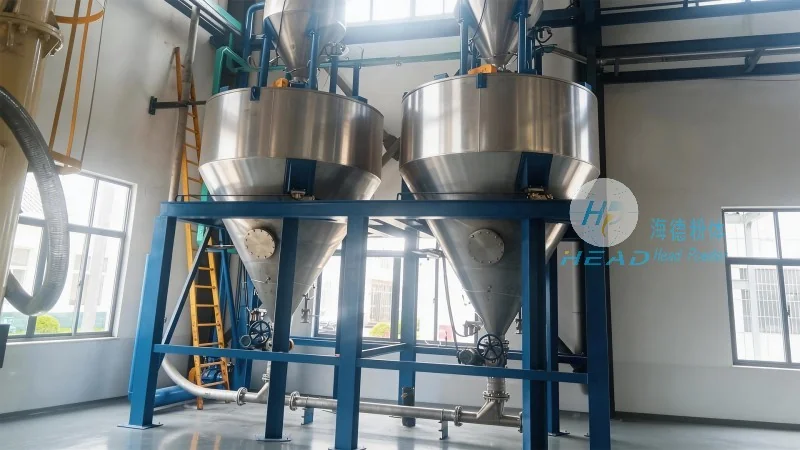
Working Principle Explained
The working principle of a pneumatic conveying system is based on the principle of fluidization and air movement. The blower or compressor provides the driving force by generating a high-pressure air stream. The material is introduced into the pipeline, and the air flow lifts and transports the material particles. The key to efficient operation is maintaining the correct air-to-material ratio, which ensures that the material is fully suspended and moves smoothly through the system. The system can operate in either positive pressure or negative pressure modes. In positive pressure systems, the air is pressurized and forced through the pipeline, pushing the material forward. In negative pressure systems, the air is drawn from the pipeline, creating a vacuum that pulls the material into the system. The choice between positive and negative pressure depends on the application requirements, such as the distance to be covered and the nature of the material being conveyed.
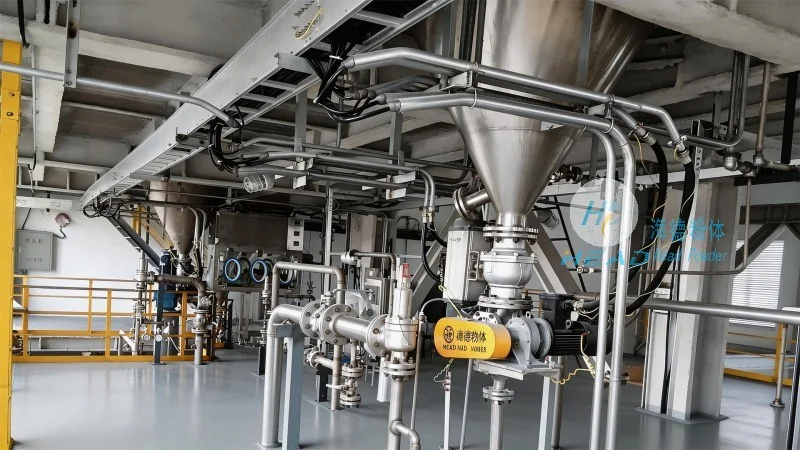
Advantages of Pneumatic Conveying Systems
Pneumatic conveying systems offer several advantages over traditional mechanical conveyors. They are highly flexible, allowing for changes in the conveying route without major modifications. The system can handle a wide range of materials, including abrasive or corrosive substances, without causing wear or damage. Pneumatic systems are also suitable for conveying materials in hazardous environments, as they can be enclosed to prevent dust emissions. Additionally, these systems are relatively low maintenance, as they have fewer moving parts compared to mechanical conveyors. The ability to transport materials over long distances and through multiple levels or bends makes them ideal for industrial applications in the sand and gravel industry.
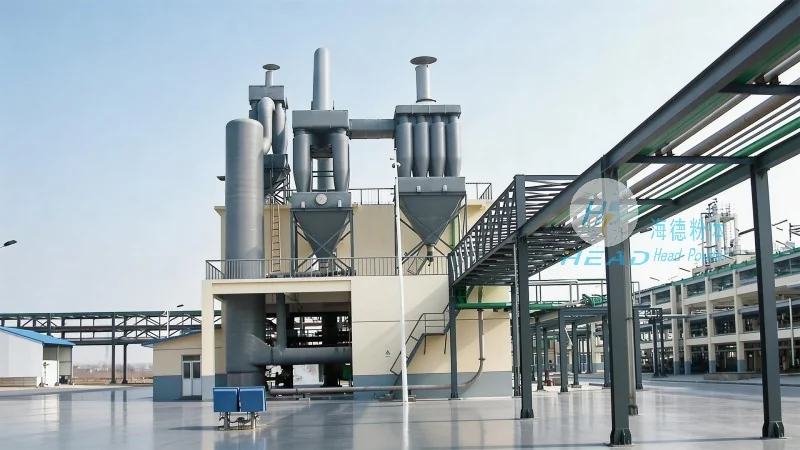
Applications in the Sand and Gravel Industry
Sand and gravel pneumatic conveying systems are widely used in various applications within the construction and mining sectors. They are commonly employed in the transportation of raw materials from quarries to processing plants, ensuring a continuous and efficient supply of materials. The systems are also used in the production of concrete, where sand and gravel are conveyed to mixing stations. In the mining industry, these systems help transport ore and other bulk materials from extraction sites to processing facilities. The ability to handle large volumes of material at high speeds makes pneumatic conveying systems a preferred choice for industries that require rapid and reliable material transport.
Conclusion and Company Overview
HeadPowder Engineering Co., Ltd., located in Shandong, China, is a trusted provider of advanced pneumatic conveying systems for the sand and gravel industry. With a focus on innovation and quality, the company designs and manufactures systems that meet the specific needs of its clients. The operation process and working principles of these systems ensure efficient and reliable material transport, contributing to increased productivity and reduced operational costs. By leveraging the expertise of HeadPowder, industries can achieve optimal performance in their material handling processes, enhancing overall operational efficiency.