

Working Principle and Features of Mica Powder Pneumatic Conveying Equipment
Shandong HeadPowder Engineering Co., Ltd. specializes in providing advanced solutions for material handling, particularly in the efficient and reliable transport of mica powder through pneumatic conveying systems. This article explores the working principle and key features of such equipment, highlighting how it meets the demands of modern industrial applications.
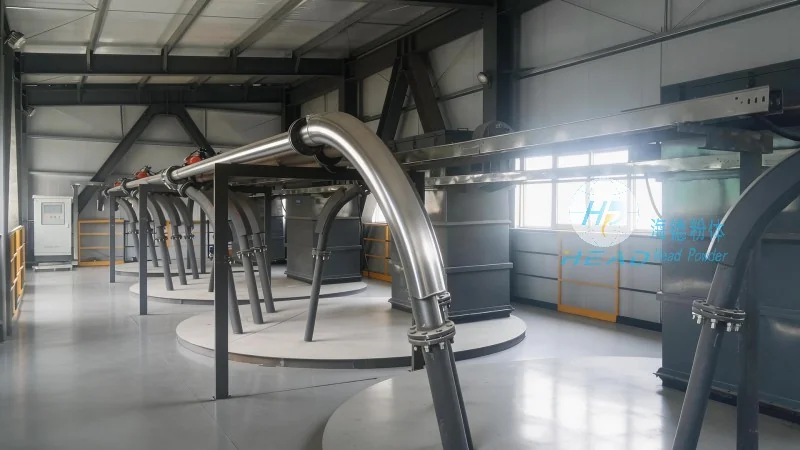
Overview of Mica Powder Pneumatic Conveying Equipment
Mica powder, known for its unique properties like high thermal stability and electrical insulation, is widely used in various industries including electronics, construction, and cosmetics. Traditional methods of transporting mica powder, such as manual handling or mechanical conveyors, often face challenges like dust generation, material degradation, and inefficiency. Pneumatic conveying equipment offers a more sophisticated solution to address these issues, ensuring safe and effective material transport.
The Working Principle of Pneumatic Conveying Systems
Pneumatic conveying systems operate on the principle of using compressed air to move bulk materials through a pipeline. In the case of mica powder, the process typically involves several key components and steps. First, the mica powder is fed into a hopper or feeder, where it is then drawn into a conveying line by a vacuum or pressure source. The compressed air, either in a positive pressure system or a negative pressure (suction) system, propels the powder particles through the pipeline. The system may include features like cyclone separators, filters, and dust collectors to separate the powder from the air stream and ensure clean operation.
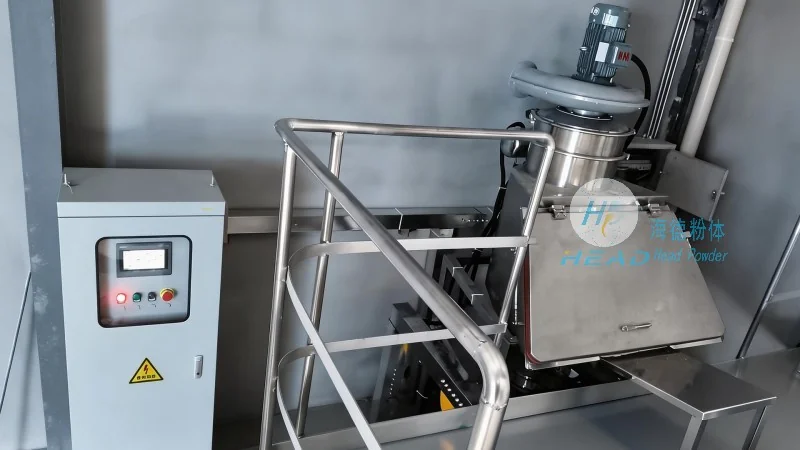
Key Features of Mica Powder Pneumatic Conveying Equipment
The equipment designed for mica powder transport by Shandong HeadPowder Engineering Co., Ltd. incorporates several advanced features that enhance performance and reliability. One of the primary advantages is the ability to handle fine powders without causing clogging or blockages, which is crucial for materials like mica that can be prone to agglomeration. The systems are equipped with high-efficiency filters and dust collection mechanisms to maintain air quality and comply with environmental regulations. Additionally, the equipment is designed for low maintenance, with components that are easy to access and replace, reducing downtime and operational costs.
Efficiency and Environmental Benefits
Compared to traditional conveying methods, pneumatic conveying systems offer significant improvements in efficiency and environmental performance. The enclosed pipeline system minimizes dust emissions, creating a safer working environment and reducing the risk of material contamination. The process is also energy-efficient, as the compressed air is used effectively to transport the material over long distances with minimal energy loss. This makes the equipment not only cost-effective but also environmentally friendly, aligning with modern industrial sustainability goals.
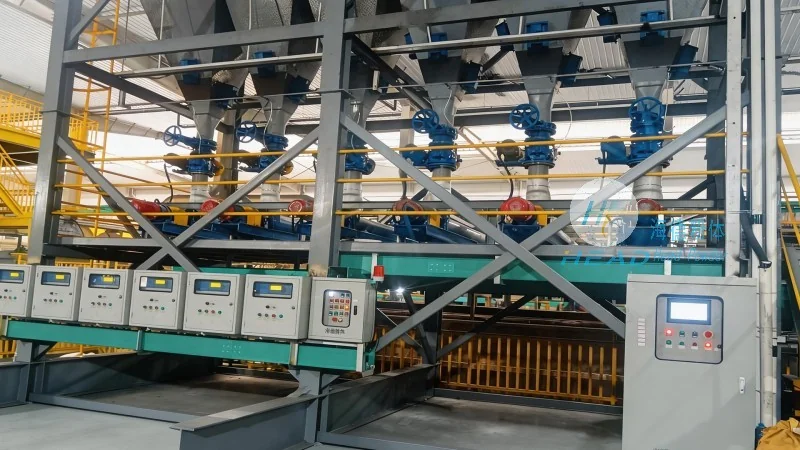
Customization and Application Flexibility
Shandong HeadPowder Engineering Co., Ltd. offers customized solutions tailored to the specific needs of clients. The pneumatic conveying equipment can be adapted for various applications, from small-scale laboratory use to large industrial production lines. The systems can be configured with different feeding mechanisms, pipeline lengths, and air pressure levels to suit the requirements of different mica powder types and processing environments. This flexibility ensures that the equipment can be integrated seamlessly into existing production workflows, enhancing overall operational efficiency.
Conclusion
In summary, mica powder pneumatic conveying equipment from Shandong HeadPowder Engineering Co., Ltd. combines advanced technology with practical design to provide an efficient, reliable, and environmentally friendly solution for material transport. By understanding the working principle and leveraging the key features of these systems, industries can enhance their production processes, improve safety standards, and achieve greater operational efficiency in handling mica powder.