PTA (Polyethylene Terephthalate Acid) is a critical raw material in the production of polyester fibers and resins. Pneumatic conveying is a widely adopted method for transporting PTA, which utilizes air or other gases to move the material through a pipeline system. This technology is vital for efficient and safe material handling in industrial environments.
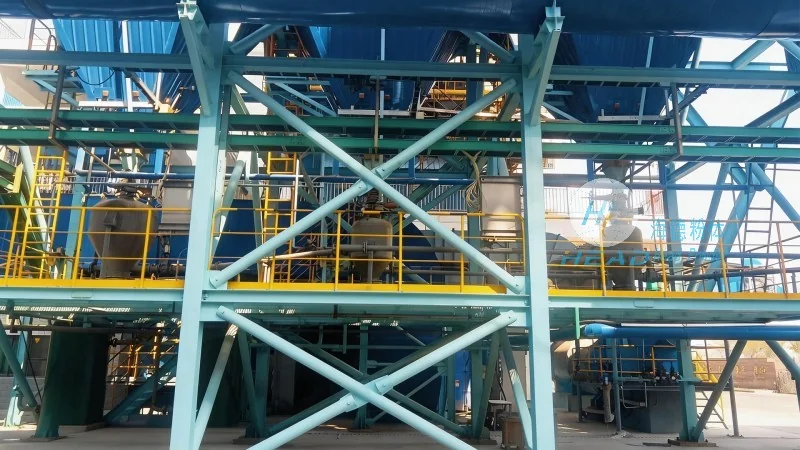
Understanding PTA Pneumatic Conveying
PTA pneumatic conveying systems are engineered to transport PTA granules or powders from one location to another within a manufacturing facility. The process typically involves a hopper or storage bin where the PTA is stored, a conveying line that transports the material, and a receiver where the material is deposited. The system employs a blower or compressor to generate the necessary air pressure to move the material through the pipeline.
Key Components of PTA Pneumatic Conveying Systems
The core components of a PTA pneumatic conveying system include the material feed hopper, the air supply unit (blower or compressor), the conveying pipeline, and the material receiver. The feed hopper is equipped with a feeder that controls the flow rate of the PTA into the system. The air supply unit provides the pressure and volume of air required to move the material. The pipeline is usually constructed from stainless steel or other corrosion-resistant materials to handle the acidic nature of PTA. The receiver is designed to collect the conveyed material and may include a discharge valve for controlled release.
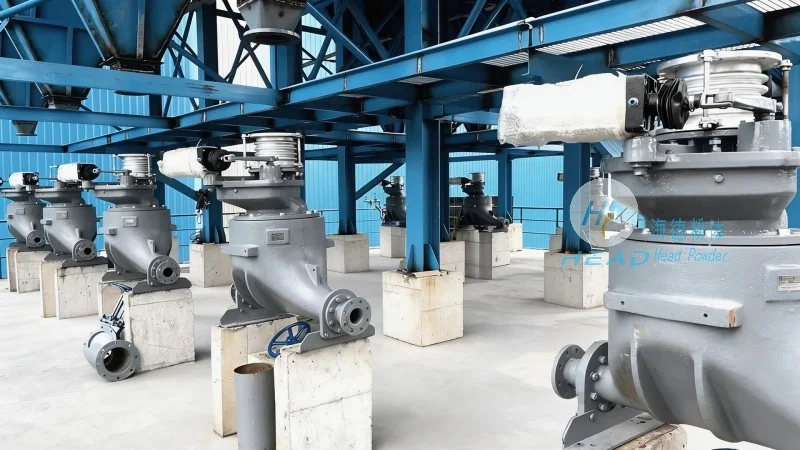
Design Principles for PTA Pneumatic Conveying
The design of PTA pneumatic conveying systems must consider several critical factors to ensure efficient operation and material integrity. First, the system must accommodate the specific properties of PTA, such as its particle size, density, and flow characteristics. The conveying velocity must be optimized to prevent material degradation or blockages in the pipeline. Second, the system must be designed to minimize pressure losses and energy consumption. This involves selecting the appropriate pipe diameter, length, and bends, as well as using efficient air distribution and collection methods. Third, the system must incorporate safety features to prevent dust explosions or material leakage. This includes using explosion-proof components, dust collection systems, and proper sealing of all connections.
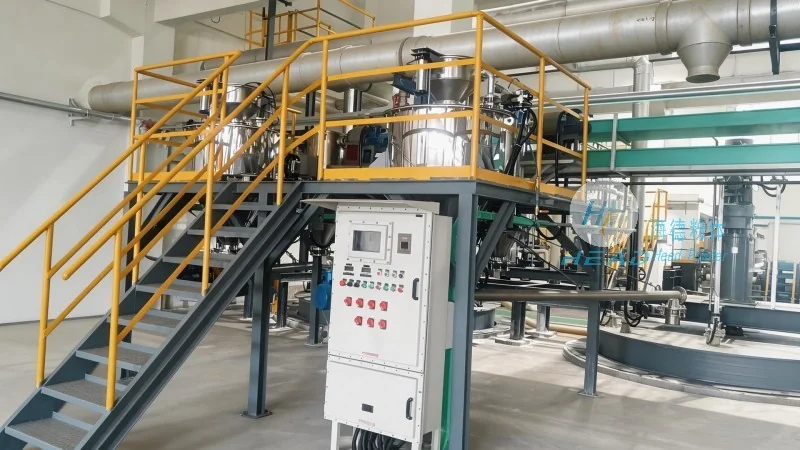
Applications of PTA Pneumatic Conveying
PTA pneumatic conveying is widely utilized in the petrochemical and textile industries. In the petrochemical sector, it is used to transport PTA from storage tanks to reactors or other processing units. In the textile industry, it is used to move PTA from storage to extrusion lines for producing polyester fibers. The technology is also employed in other industries where PTA is a key component, such as in the production of polyester resins for packaging and construction materials.
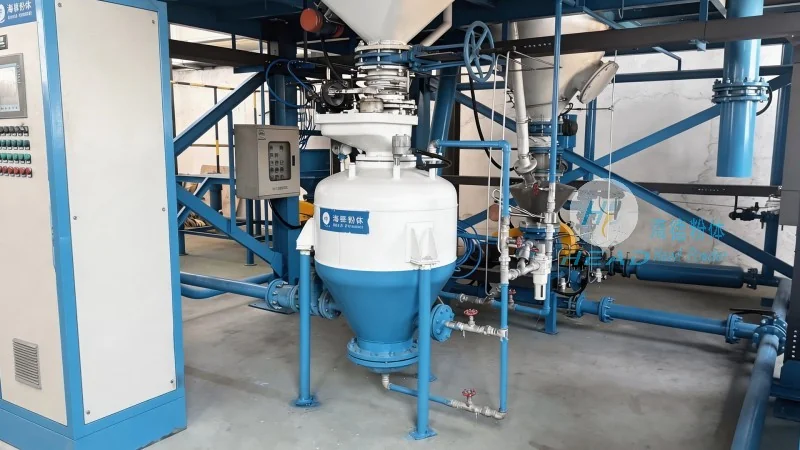
Advantages of PTA Pneumatic Conveying
There are several advantages to using PTA pneumatic conveying systems. First, it is a closed system, which helps to prevent dust contamination and environmental pollution. Second, it is a continuous process, which allows for high throughput and consistent material flow. Third, it is a flexible system that can be easily adapted to different production requirements. Fourth, it is a safe system that reduces the risk of accidents and injuries compared to manual handling of PTA.
Challenges and Solutions in PTA Pneumatic Conveying
Despite its advantages, PTA pneumatic conveying systems can encounter several challenges. One common challenge is material blockages in the pipeline, which can be caused by the formation of agglomerates or the presence of moisture. To address this, the system may include a de-agglomerator or a dryer to improve material flowability. Another challenge is pressure loss, which can reduce the conveying efficiency. This can be mitigated by using larger pipe diameters or reducing the number of bends in the pipeline. A third challenge is the risk of dust explosions, which can be prevented by using explosion-proof components and proper dust collection systems.




