

What is a Lithium Nickel Cobalt Aluminum (NCA) Powder Conveying Machine? And What Are Its Design Pri
Lithium Nickel Cobalt Aluminum (NCA) is a pivotal cathode material in contemporary lithium-ion batteries, especially for high-energy density applications like electric vehicles and energy storage systems. The efficient and safe handling of NCA powder is indispensable for battery manufacturing processes. A NCA powder conveying machine is specialized equipment designed to transport NCA powder from storage to processing units, ensuring minimal loss, contamination, and dust generation. These machines are integral to maintaining the quality and consistency of NCA powder, which directly impacts the performance of the final battery products.
Key Features of NCA Powder Conveying Systems
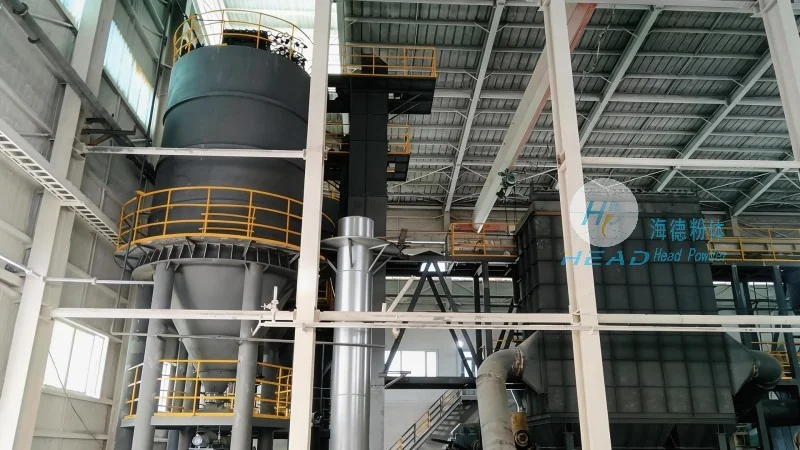
HeadPowder, a leading manufacturer based in Shandong, China, offers advanced NCA powder conveying machines with features tailored to NCA powder's unique properties. These systems are engineered to handle the fine, abrasive nature of NCA powder while minimizing particle degradation. They typically include robust sealing mechanisms to prevent dust leakage and environmental contamination. Additionally, they are equipped with variable speed controls and material flow sensors to optimize conveying efficiency and protect against overloading or clogging. The design also emphasizes easy maintenance and cleaning, crucial for maintaining hygiene standards in battery production facilities.
Design Principles of NCA Powder Conveying Equipment
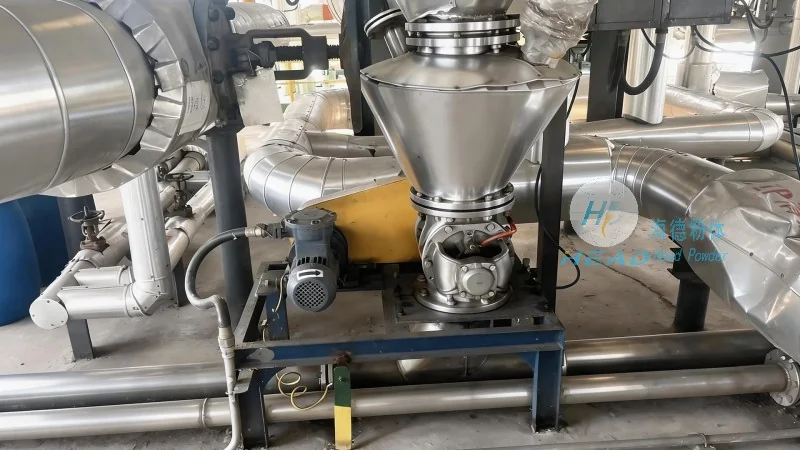
The design of NCA powder conveying machines follows fundamental principles to ensure reliable operation and material integrity. First, the equipment is constructed with materials resistant to corrosion and wear, such as stainless steel or specialized alloys, to withstand NCA powder's abrasive nature. Internal components—including conveyor screws, hoppers, and ducts—are designed with smooth surfaces and minimal dead zones to reduce the risk of powder accumulation and blockages. Airtight sealing systems, often incorporating double-flanged gaskets and positive pressure ventilation, are employed to prevent dust migration and maintain a controlled environment. The conveying method, whether pneumatic or mechanical, is selected based on application requirements. Mechanical systems like screw conveyors provide consistent, low-pressure transport for bulk NCA powder, while pneumatic systems are used for finer powders or longer distances.
Company Profile: Shandong HeadPowder Engineering Co., Ltd.
HeadPowder, headquartered in Shandong, China, is a professional engineering company specializing in the design, manufacturing, and supply of powder handling equipment. With years of experience in the battery materials industry, HeadPowder has developed comprehensive NCA powder conveying solutions meeting stringent battery manufacturing requirements. The company's facilities are equipped with advanced manufacturing technologies and quality control systems, ensuring each NCA powder conveying machine is built to the highest standards. HeadPowder's commitment to innovation and customer satisfaction has made it a trusted partner for battery manufacturers worldwide, providing reliable and efficient equipment that enhances production efficiency and product quality.
Application Scenarios and Benefits
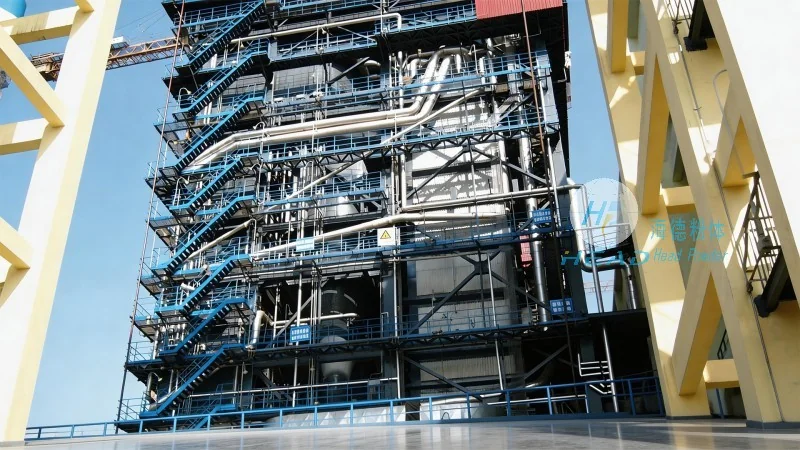
NCA powder conveying machines are widely used in battery manufacturing, from raw material handling to cell assembly. In the raw material stage, these machines efficiently transport NCA powder from storage to mixing and blending units, ensuring consistent material quality. During cell assembly, they deliver NCA powder to coating and slurry preparation stages, where precise flow is critical for uniform electrode formation. Benefits include improved production efficiency, reduced material loss, enhanced safety through dust control, and consistent product quality. By minimizing contamination and maintaining NCA powder integrity, these systems contribute to lithium-ion battery performance and reliability, essential for the growing electric vehicle and renewable energy markets.