Light weight aggregate pneumatic conveying systems are essential in modern material handling, particularly for transporting lightweight aggregates efficiently and reliably. This technology offers a solution to the challenges of moving such materials, which often require specialized equipment due to their low density and unique handling characteristics. The following sections will explore the operation process and working principles of these systems, providing a comprehensive understanding for professionals in the industry.
About Shandong HeadPowder Engineering Co., Ltd.
Shandong HeadPowder Engineering Co., Ltd., commonly known as headpowder, is a leading provider of engineering solutions for material handling and processing. With a focus on innovation and quality, the company specializes in designing and manufacturing pneumatic conveying systems tailored to the needs of various industries. Headpowder’s headquarters is located in Shandong, China, where the company leverages advanced technology and expertise to deliver high-performance solutions for clients worldwide.
Operation Process of Light Weight Aggregate Pneumatic Conveying
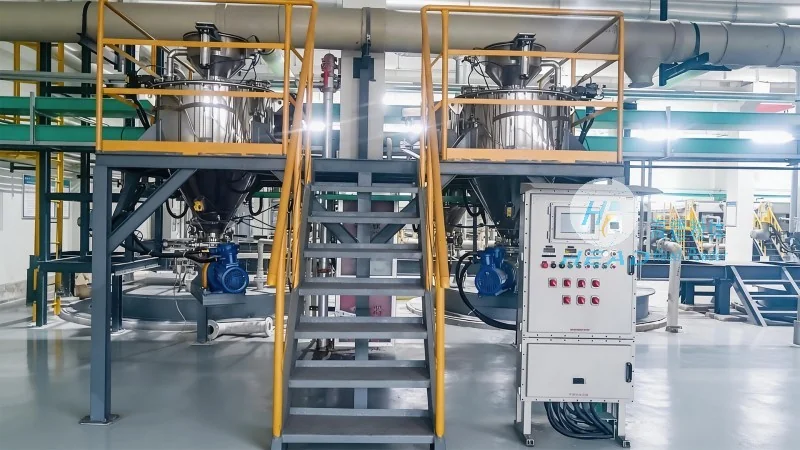
The operation of a light weight aggregate pneumatic conveying system involves several key steps that ensure efficient material transport. The process typically begins with the material being loaded into a hopper or storage silo. From there, the material is drawn into the conveying line by a vacuum or pressure source, depending on the system design. The conveying medium, usually air, is introduced to create a flow that transports the lightweight aggregates through the system. Key components such as feeders, cyclones, and filters are integrated to manage the material flow and maintain system efficiency. The entire process is controlled by a sophisticated control system that monitors pressure, flow rates, and other parameters to ensure optimal performance.
Working Principle of Light Weight Aggregate Pneumatic Conveying
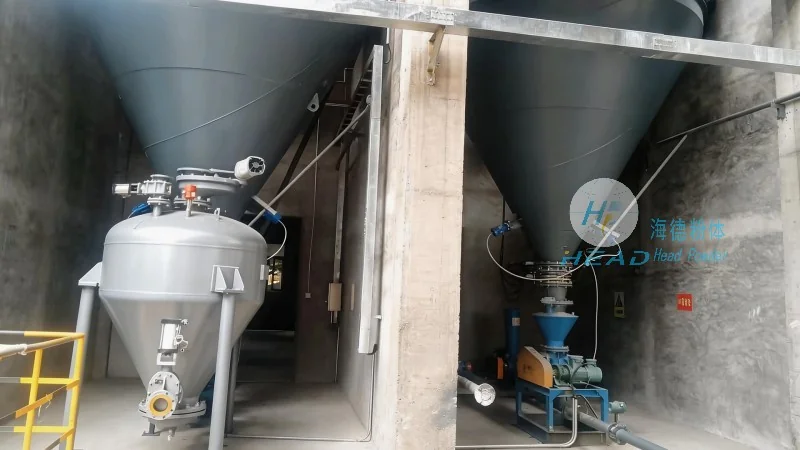
The working principle of light weight aggregate pneumatic conveying systems is based on the principles of fluid dynamics and particle transport. The system utilizes air as the conveying medium, which is either drawn in by a vacuum pump or supplied by a blower under pressure. The lightweight aggregates are entrained in the air stream, creating a mixture known as a "pneumatic slurry." As the mixture travels through the pipeline, it is separated from the air using cyclone separators or other filtration devices. The separated aggregates are then collected in a receiving hopper, while the air is either filtered and recirculated or vented to the atmosphere. This process ensures that the lightweight aggregates are transported with minimal loss and maximum efficiency, making it suitable for applications in construction, mining, and other industries.
Advantages of Light Weight Aggregate Pneumatic Conveying
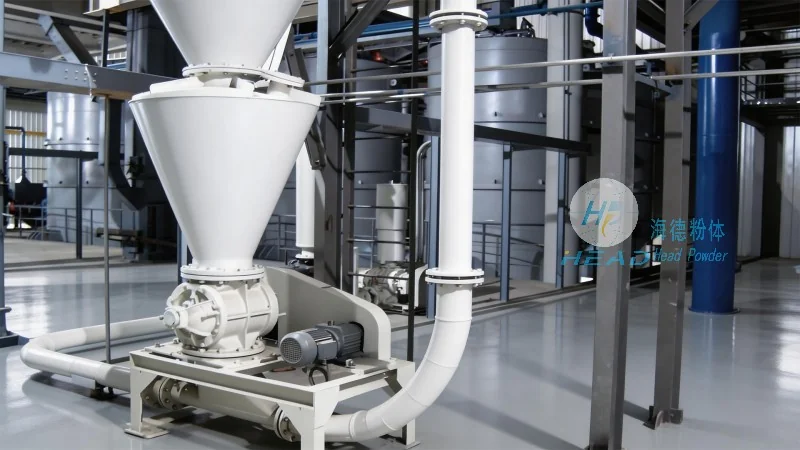
Light weight aggregate pneumatic conveying systems offer several advantages over traditional material handling methods. One of the primary benefits is the ability to transport materials over long distances without the need for complex infrastructure, such as conveyor belts or elevators. The system is also highly flexible, allowing for changes in material flow rates and direction without significant modifications. Additionally, pneumatic conveying systems are less prone to material degradation compared to other methods, as the material is not subjected to friction or impact. This makes them ideal for transporting delicate or sensitive lightweight aggregates, such as expanded clay or perlite. The systems are also energy-efficient, as they can be designed to operate with minimal power consumption, reducing operational costs for the end-user.
Conclusion
Light weight aggregate pneumatic conveying systems are a critical component of modern material handling, providing efficient and reliable transport of lightweight aggregates. With advanced technology and engineering expertise, companies like Shandong HeadPowder Engineering Co., Ltd. continue to innovate and improve these systems, ensuring they meet the evolving needs of various industries. By understanding the operation process and working principles of these systems, professionals can make informed decisions when selecting the right equipment for their material handling requirements.




