At Shandong HeadPowder Engineering Co., Ltd., we specialize in the design, manufacturing, and implementation of advanced pneumatic conveying systems tailored for the efficient handling of sawdust and wood chip materials. Our solutions are engineered to meet the unique challenges of wood processing industries, ensuring reliable and cost-effective material transport from source to destination.
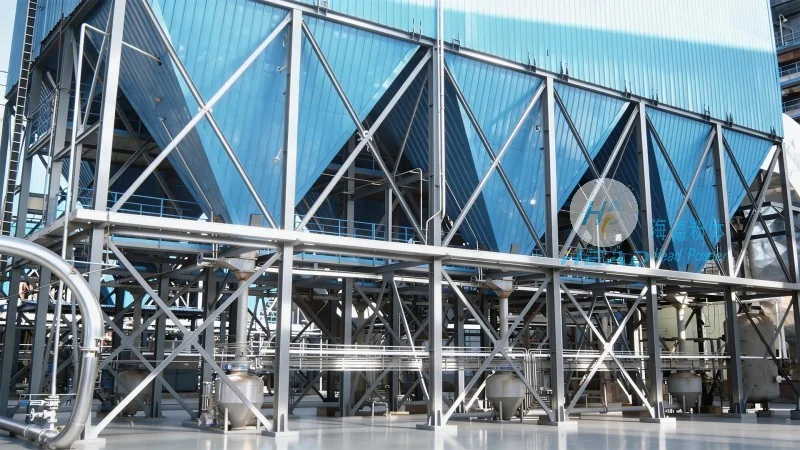
Understanding Pneumatic Conveying Technology
Pneumatic conveying, also known as air conveying, is a method of transporting bulk materials through a pipeline using pressurized or vacuum air. In the context of sawdust and wood chips, this technology offers a dry, dust-free, and low-maintenance alternative to traditional mechanical conveying systems. The process relies on the principle of using air to move particulate materials, which is particularly advantageous for materials that are light, dusty, or prone to caking.
The Core Components of a Pneumatic Conveying System
Our systems typically consist of several key components that work in tandem to achieve efficient material transport. These include a material feed hopper, a conveyor line (either positive pressure or negative pressure), a separator or filter to remove air from the material stream, and a discharge outlet. Each component is carefully designed to handle the specific characteristics of sawdust and wood chips, ensuring optimal performance and minimal downtime.
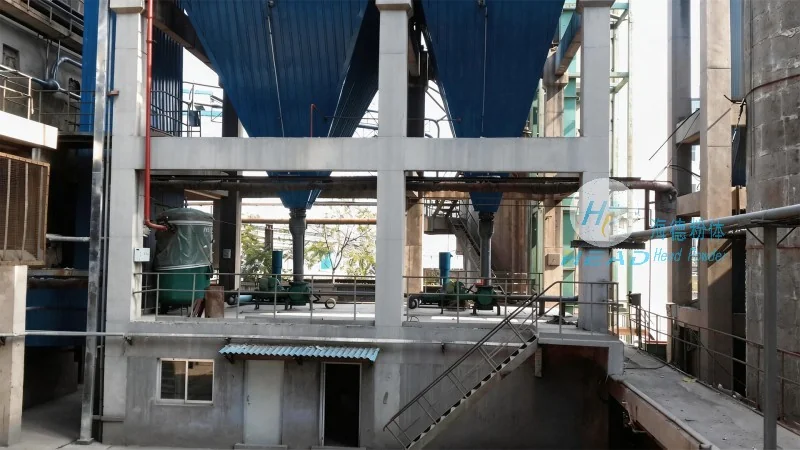
Operation Process: From Feed to Discharge
The operation of a sawdust wood chip pneumatic conveying system begins with the material being fed into the hopper. The feed mechanism, often a rotary valve or a screw feeder, controls the flow rate of the material into the system. Simultaneously, the air compressor or vacuum pump generates the necessary pressure or vacuum to move the material through the pipeline. As the material travels through the conveyor line, it is carried by the air stream, which may be directed through bends, expansions, or other fittings designed to maintain flow efficiency. At the discharge end, a separator or cyclone separates the material from the air, allowing the sawdust or wood chips to be collected in a designated container while the air is either vented or recirculated, depending on the system configuration.
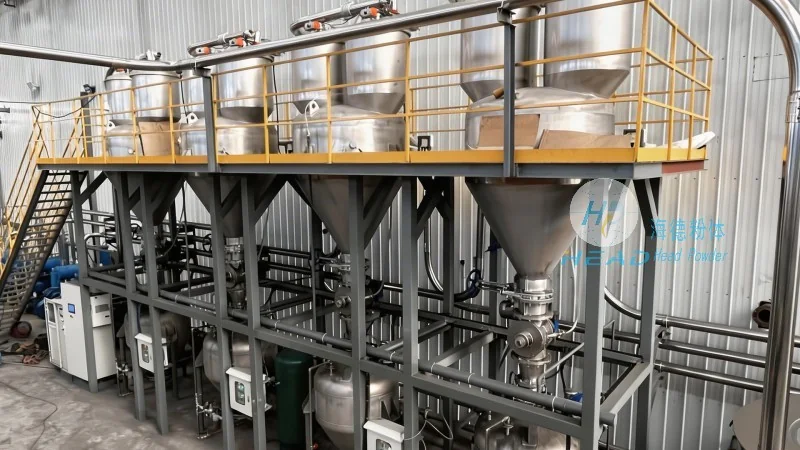
Working Principle: How Air and Material Interact
The working principle of pneumatic conveying for sawdust and wood chips is based on the interaction between the air flow and the particulate material. In positive pressure systems, the air is pressurized and forced through the pipeline, carrying the material with it. The velocity of the air must be sufficient to overcome the gravitational forces and friction within the pipeline, ensuring that the material remains suspended and moves smoothly. In negative pressure systems, the air is drawn from the discharge end, creating a vacuum that pulls the material into the pipeline. This method is often preferred for applications where the material needs to be transported over longer distances or where the system is integrated with existing ventilation infrastructure.
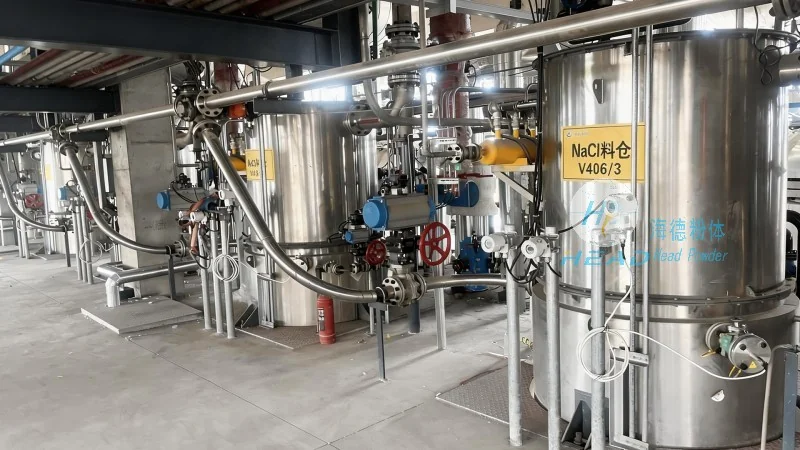
Advantages of Pneumatic Conveying for Sawdust and Wood Chips
Implementing pneumatic conveying systems for sawdust and wood chips offers several key advantages. First, it provides a dust-free environment, which enhances workplace safety and reduces the risk of fire or explosion in wood processing facilities. Second, the system is highly efficient in terms of energy consumption and material handling, as it eliminates the need for mechanical components like belts or buckets that can wear out over time. Third, the dry nature of the process preserves the quality of the sawdust or wood chips, preventing moisture absorption or degradation that can occur with wet or mechanical handling methods. Finally, the flexibility of pneumatic conveying allows for easy integration with existing production lines and the ability to transport materials over varying distances and elevations.
Customization and Application in Wood Processing
At HeadPowder, we understand that each wood processing facility has unique requirements. Therefore, our pneumatic conveying systems are customizable to meet specific operational needs, including material flow rates, pipeline lengths, and elevation changes. Whether the application involves transporting sawdust from a chipper to a storage silo, moving wood chips from a conveyor to a processing machine, or integrating the system with a pelletizing or drying operation, our solutions are designed to deliver reliable performance. Our team of engineers works closely with clients to assess their material characteristics, process requirements, and site constraints to develop a tailored system that maximizes efficiency and minimizes operational costs.




