The coconut shell powder pneumatic conveying system is a specialized equipment designed for the efficient transportation of fine powders such as coconut shell powder. As a key component in material handling, this system ensures reliable and continuous material transfer from the storage silo to the processing or packaging areas. The operation process involves several critical steps that work in tandem to achieve optimal performance and minimal material loss.
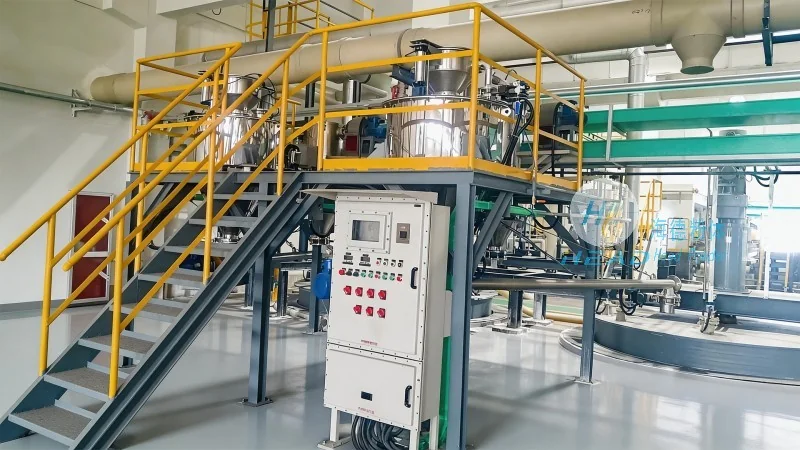
Key Components and Their Roles
The system comprises several essential parts, each playing a vital role in the overall conveying process. The main components include the material hopper, the air compressor, the conveying pipeline, the control valve, and the dust collector. The material hopper is responsible for storing the coconut shell powder and feeding it into the system. The air compressor generates the necessary air pressure to create the conveying air flow. The conveying pipeline transports the powder particles suspended in the air stream. The control valve regulates the air flow and pressure to maintain stable operation. The dust collector ensures that any fine particles are captured and returned to the system, preventing environmental pollution and maintaining material purity.
Working Principle of the Pneumatic Conveying Process
The working principle of the coconut shell powder pneumatic conveying system is based on the principle of air suspension. When the air compressor starts, it produces high-pressure air that enters the conveying pipeline. The air flow creates a low-pressure zone in the material hopper, which draws the coconut shell powder into the pipeline. The powder particles are then suspended in the air stream and transported to the destination point. The system uses a combination of positive and negative pressure or a combination of both, depending on the specific application requirements. The positive pressure system pushes the air and powder through the pipeline, while the negative pressure system draws the air and powder from the source. The choice of pressure type depends on factors such as the distance of the conveying line, the material properties, and the desired flow rate.
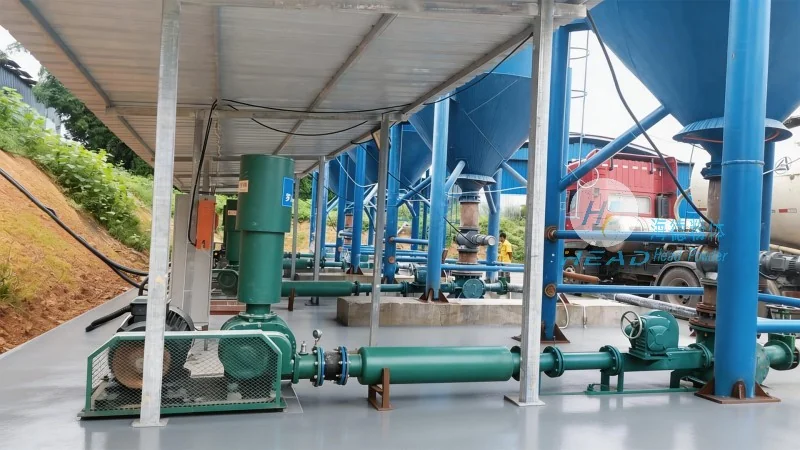
Operation Process Step-by-Step
The operation process of the coconut shell powder pneumatic conveying system can be broken down into the following steps:
1. Preparation and Setup: Before starting the operation, the system is prepared by checking all components for proper functioning. The material hopper is filled with coconut shell powder, and the air compressor is started to build up the required air pressure. The control valve is set to the appropriate position to regulate the air flow.
2. Material Feeding: The coconut shell powder is fed from the hopper into the conveying pipeline. The air flow from the compressor creates a suction effect, drawing the powder particles into the pipeline. The powder is then suspended in the air stream and transported.
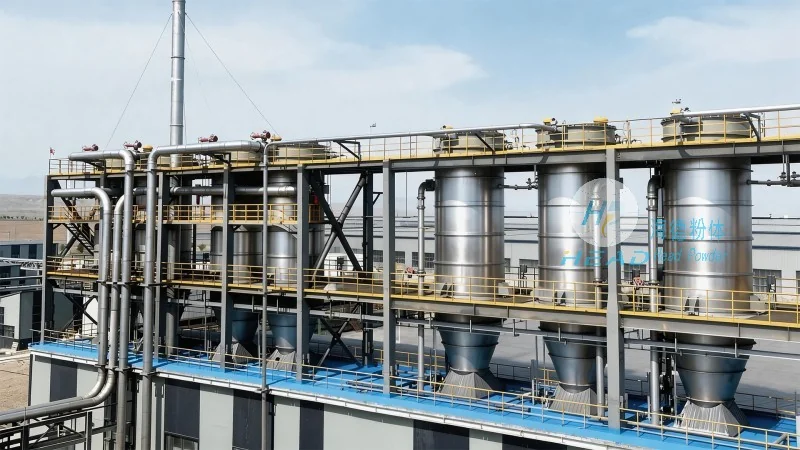
3. Conveying and Transport: The powder particles are carried along the pipeline by the air flow. The system maintains a consistent flow rate by adjusting the air pressure and flow rate as needed. The conveying distance and speed are determined by the system design and the material properties.
4. Destination and Discharge: At the destination point, the powder is discharged from the pipeline into the receiving container. The air flow is adjusted to ensure that the powder is deposited smoothly without causing blockages or spills. The system may include a dust collector to capture any fine particles that escape during the discharge process.
5. System Shutdown and Maintenance: After the conveying operation is complete, the system is shut down by stopping the air compressor and closing the control valve. Regular maintenance is performed to ensure the system operates efficiently and to prevent any potential issues. This includes cleaning the hopper, checking the air compressor for wear and tear, and inspecting the conveying pipeline for any blockages or damage.
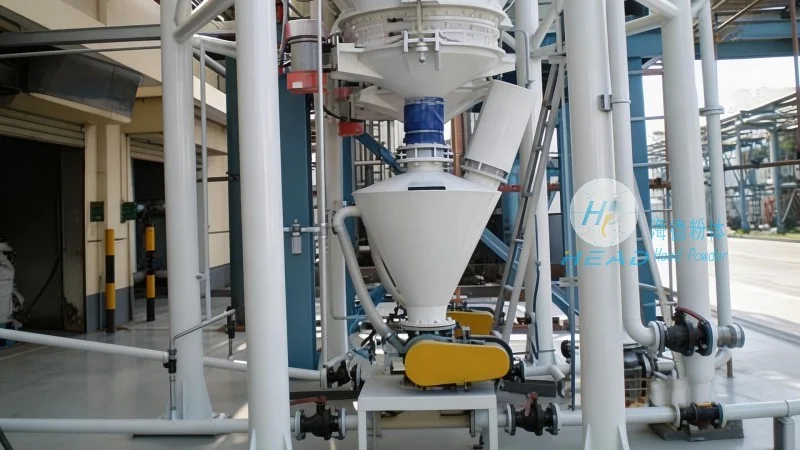
Advantages of the Coconut Shell Powder Pneumatic Conveying System
The coconut shell powder pneumatic conveying system offers several advantages over traditional material handling methods. First, it provides a clean and hygienic way to transport fine powders, as the system is enclosed and prevents dust from spreading into the environment. Second, it is highly efficient, with minimal material loss and consistent flow rates. Third, the system is flexible and can be easily integrated into existing production lines. Fourth, it reduces labor costs by automating the material handling process. Finally, the system is reliable and requires minimal maintenance, ensuring long-term operation.
Applications and Industries
The coconut shell powder pneumatic conveying system is widely used in various industries that handle fine powders. These include the food industry, where coconut shell powder is used as a natural ingredient in food products. The system is also used in the chemical industry, where the powder is used as a raw material for various chemical processes. Additionally, the system is used in the pharmaceutical industry, where the powder is used as a filler or excipient in drug formulations. The system is also applicable in the agricultural industry, where the powder is used as a fertilizer or soil conditioner.




