

Principle and Working Scene Characteristics of Pneumatic Conveying Equipment for Dry Mortar Material
HeadPowder, a leading manufacturer based in Shandong, China, specializes in the design and production of advanced pneumatic conveying systems tailored for dry mortar materials. These systems are essential in the construction industry, facilitating the efficient and reliable transport of powders such as cement, sand, and additives from storage to processing or application points. The equipment operates on the principle of using air to move material through a pipeline, offering a solution that minimizes dust, reduces labor costs, and enhances operational safety compared to traditional methods like bucket elevators or belt conveyors.
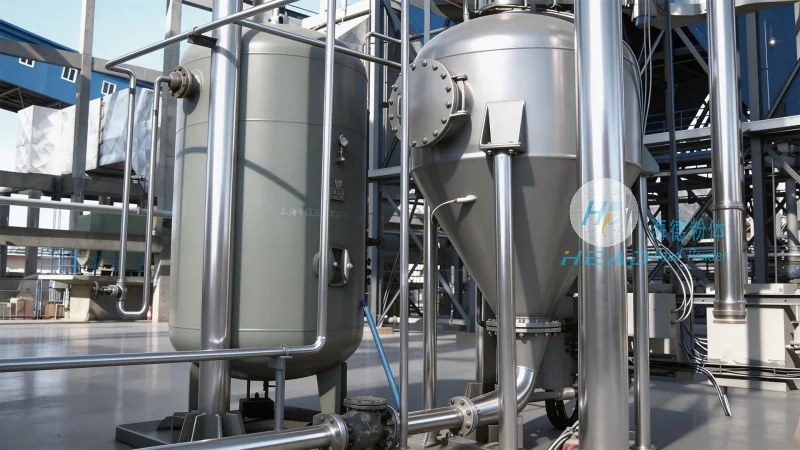
The Working Principle of Pneumatic Conveying Systems
The core of a pneumatic conveying system lies in its ability to create a flow of air that propels dry mortar materials through a sealed pipeline. There are primarily two types of systems: dilute-phase and dense-phase. Dilute-phase systems use low air velocity to transport material in a suspended state, suitable for long-distance and high-capacity applications. Dense-phase systems, on the other hand, operate at higher air pressures and lower velocities, ensuring material is conveyed in a compacted form, which is ideal for sensitive or abrasive powders. The system typically includes a blower or compressor to generate the air flow, a hopper for material storage, a feeder to control the discharge rate, and a pipeline network that connects the components. The air and material mixture is then separated at the destination, with the air either being recirculated or vented, while the material is collected for further use.
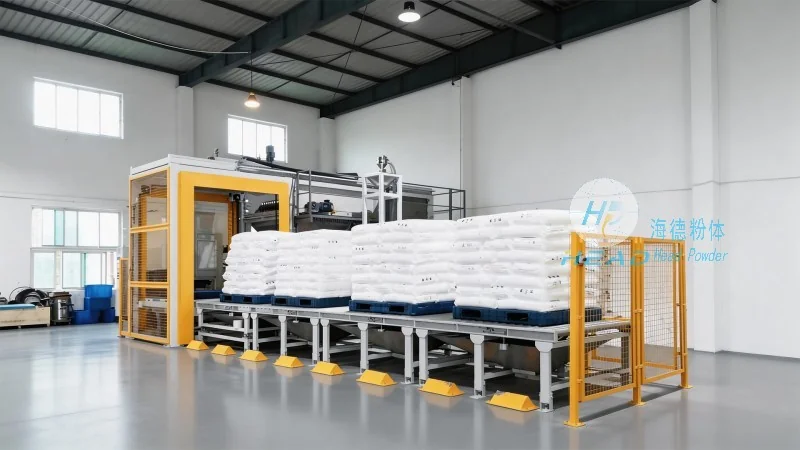
Key Working Scene Characteristics
The application of pneumatic conveying equipment for dry mortar materials is characterized by several distinct features that make it advantageous in various industrial settings. First, the system provides a dust-free environment, which is critical in construction sites where dust can affect worker health and project quality. By enclosing the material transport process, the equipment reduces airborne particles, contributing to a safer and more compliant working environment. Second, the flexibility of the pipeline layout allows for easy integration into existing production lines or construction sites, adapting to different spatial constraints and operational needs. This adaptability is particularly valuable in on-site applications where the layout may change or require adjustments. Third, the equipment offers high efficiency in material handling, with the ability to transport large volumes of dry mortar quickly and with minimal downtime. The consistent flow rate and reliable operation ensure that production processes remain uninterrupted, supporting the smooth operation of mortar manufacturing or construction projects. Additionally, the system's compact design and low maintenance requirements contribute to cost-effectiveness, as it reduces the need for extensive infrastructure and frequent repairs compared to traditional conveying methods.
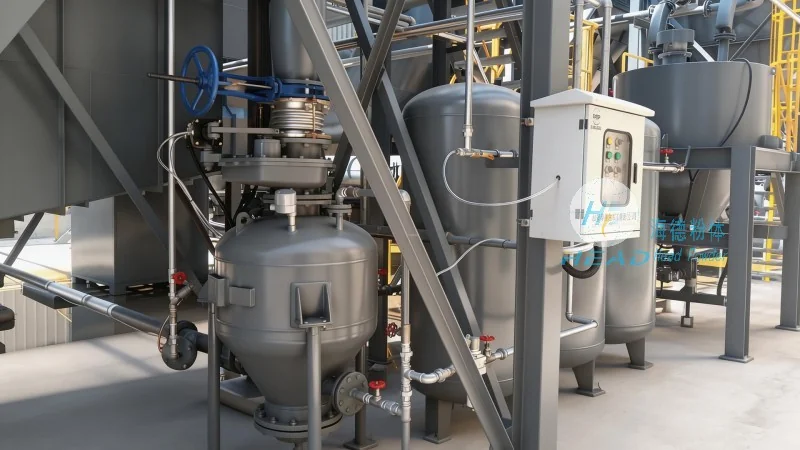
Application Scenarios and Operational Advantages
In practical working scenarios, pneumatic conveying equipment for dry mortar materials is widely used in several key applications. One primary scenario is in dry mortar production plants, where the system efficiently transports raw materials from storage silos to mixing and packaging units. This ensures a continuous supply of materials, maintaining the production line's throughput and quality. Another common scenario is in construction sites, where the equipment delivers dry mortar to mixing machines or application equipment, such as spray guns or trowels. The ability to transport materials directly to the point of use minimizes handling steps and reduces the risk of material degradation or contamination. Furthermore, the system is suitable for industrial settings where material handling needs to be integrated with other processes, such as in automated production lines or in facilities that require precise control over material flow. The operational advantages in these scenarios include improved productivity, reduced labor costs, and enhanced safety, as the automated system minimizes manual handling and exposure to dust. The equipment's reliability and low maintenance also contribute to long-term operational efficiency, making it a preferred choice for businesses seeking sustainable and cost-effective material transport solutions.