For industrial applications involving magnesium hydroxide, efficient material handling is crucial. Pneumatic conveying systems offer a reliable solution, and understanding their principles and operational characteristics is essential for optimizing processes. This article explores the fundamental concepts behind magnesium hydroxide pneumatic conveying equipment, along with key working scene characteristics that define its effectiveness in various industrial settings.
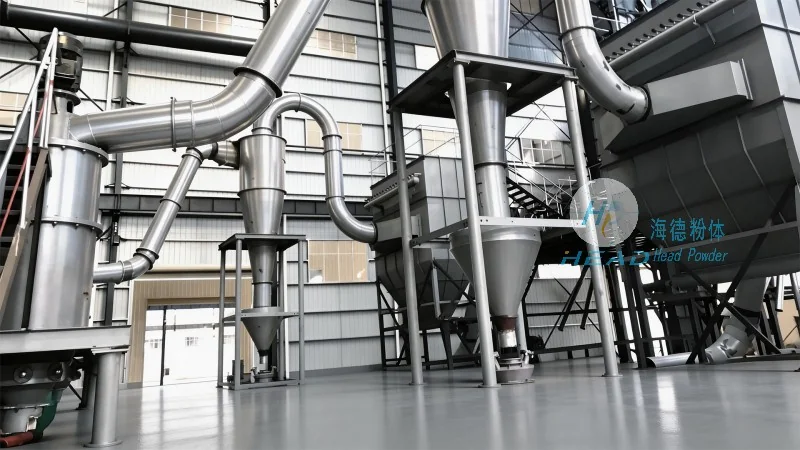
Understanding Pneumatic Conveying Principles
Pneumatic conveying relies on the use of air or other gases to transport bulk materials through a pipeline. In the case of magnesium hydroxide, which is often a fine or semi-fine powder, this method provides several advantages over traditional mechanical conveying systems. The core principle involves creating a pressure differential or using vacuum to move the material, ensuring it is transported without the need for mechanical components like belts or buckets. This not only reduces maintenance requirements but also minimizes material degradation, which is critical for sensitive materials like magnesium hydroxide.
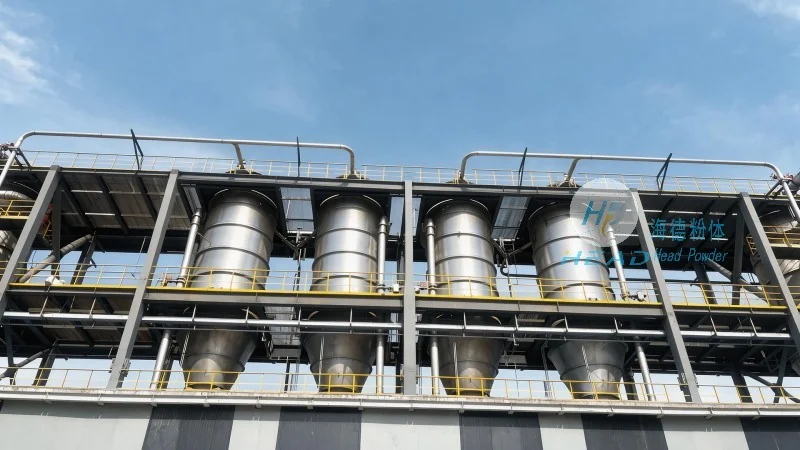
Key Working Scene Characteristics of Magnesium Hydroxide Pneumatic Conveying
The effectiveness of magnesium hydroxide pneumatic conveying systems is defined by several key characteristics that adapt to diverse industrial needs. These include the system's ability to handle varying particle sizes and moisture content, ensuring consistent flow rates and preventing blockages. Additionally, the system's scalability allows it to be integrated into both small-scale laboratory setups and large-scale industrial production lines, making it versatile for different production capacities. Another critical characteristic is the system's energy efficiency, which is achieved through optimized air flow and pressure management, reducing operational costs while maintaining performance.
Application Scenarios and Industry Integration
Magnesium hydroxide pneumatic conveying equipment is widely used across multiple industries, including pharmaceuticals, chemicals, and food processing. In pharmaceutical manufacturing, for instance, the system ensures that magnesium hydroxide is transported in a sterile and contamination-free manner, meeting stringent regulatory requirements. In chemical production, it facilitates the seamless transfer of the material between processing stages, enhancing overall production efficiency. The adaptability of these systems also makes them suitable for applications in the food industry, where hygiene and material purity are paramount. By understanding the specific requirements of each industry, manufacturers can tailor the pneumatic conveying system to meet their unique operational needs.
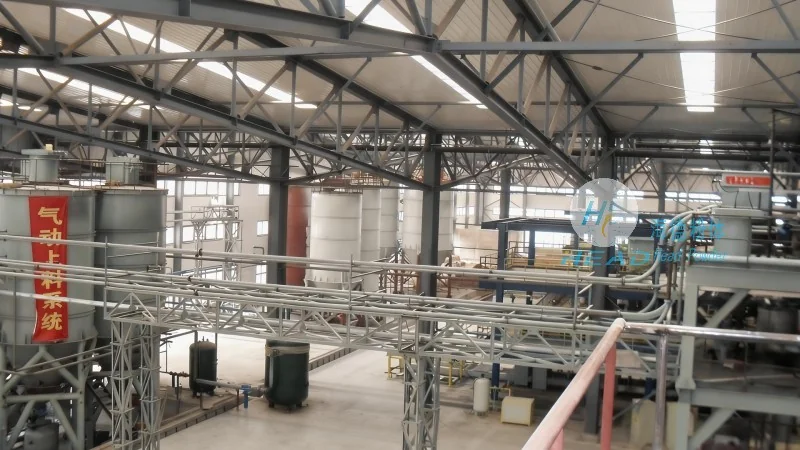
HeadPowder Engineering: Expertise in Magnesium Hydroxide Pneumatic Conveying Solutions
Shandong HeadPowder Engineering Co., Ltd., a leading provider of material handling solutions, specializes in designing and manufacturing pneumatic conveying systems tailored for magnesium hydroxide applications. With a focus on innovation and customer-centric solutions, HeadPowder Engineering leverages advanced engineering principles to develop systems that enhance operational efficiency and product quality. The company's headquarters is located in Shandong, China, where it operates a state-of-the-art facility dedicated to research, development, and production of industrial conveying equipment. By combining technical expertise with practical experience, HeadPowder Engineering ensures that its pneumatic conveying systems meet the highest standards of performance and reliability, supporting clients in achieving their production goals effectively.




