Adipic acid, a critical raw material in the production of nylon and other polymers, necessitates efficient and reliable transportation methods to support smooth industrial operations. The pneumatic conveying system represents a key technology for handling adipic acid, offering advantages such as dust-free operation, reduced material degradation, and enhanced workplace safety. This article provides a comprehensive overview of the operation process and working principles of an adipic acid pneumatic conveying system, with a focus on the core components, operational steps, and the role of Shandong HeadPowder Engineering Co., Ltd. in delivering such systems.
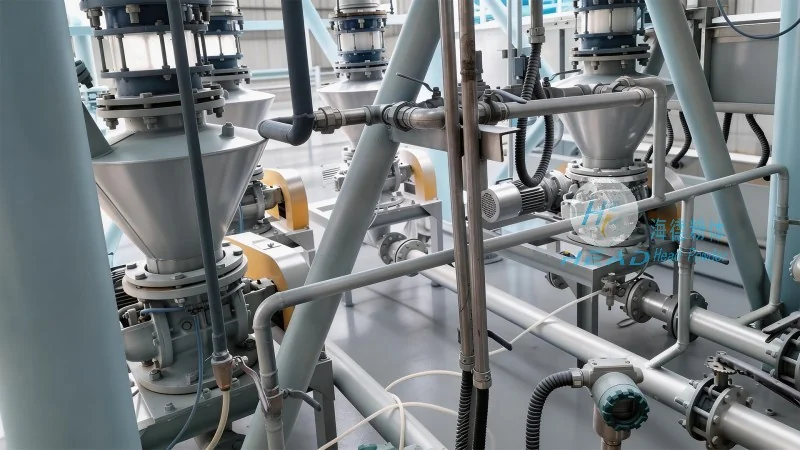
Key Components of the Pneumatic Conveying System
The adipic acid pneumatic conveying system comprises several essential components that function in unison to transport the material. These include a storage hopper for material accumulation, a rotary valve for controlled discharge, a conveying line with appropriate diameter and length, a compressor or blower to generate air flow, and a receiver or discharge hopper at the destination. Each component is vital for ensuring efficient and safe operation. The hopper is designed to hold a sufficient quantity of adipic acid, preventing material bridging and ensuring a steady feed. The rotary valve regulates the flow of adipic acid into the conveying line, maintaining a consistent material feed rate. The conveying line, typically constructed from stainless steel or other corrosion-resistant materials, is equipped with appropriate bends and fittings to minimize pressure loss and prevent material blockages. The compressor or blower provides the necessary air pressure to move the adipic acid particles through the line. Finally, the receiver or discharge hopper collects the material at the destination, completing the conveying process.
Working Principle of the Pneumatic Conveying System
The working principle of the adipic acid pneumatic conveying system is based on the utilization of air as the conveying medium. The system operates by creating a pressure differential between the inlet and outlet of the conveying line. The compressor or blower generates high-pressure air, which is introduced into the conveying line at the inlet. As the air flows through the line, it picks up adipic acid particles from the hopper and transports them to the receiver. The air flow velocity is carefully controlled to ensure that the particles are carried without causing excessive wear or degradation. The system can operate in either positive or negative pressure modes, depending on the application and material characteristics. In positive pressure systems, the conveying line is pressurized above atmospheric pressure, while in negative pressure systems, the line is maintained at a lower pressure than the surrounding environment. The choice of operating mode depends on factors such as the distance to be covered, the material's flow properties, and the need to prevent dust emissions.
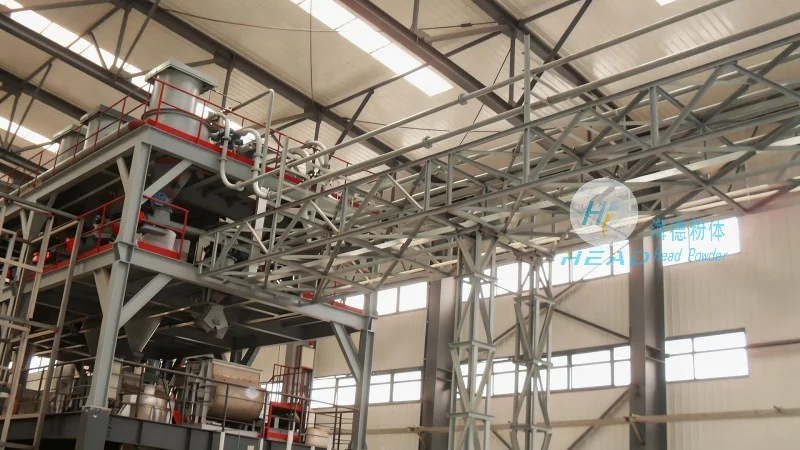
Operation Process of the Adipic Acid Pneumatic Conveying System
The operation process of the adipic acid pneumatic conveying system involves several sequential steps to ensure efficient and safe material transport. The process begins with the loading of adipic acid into the storage hopper. The rotary valve then opens to allow a controlled amount of material to enter the conveying line. The compressor or blower is activated, generating the required air flow. As the air flows through the line, it picks up the adipic acid particles and transports them to the receiver. The receiver is positioned at the destination, where the material is discharged and collected. The system is equipped with sensors and controls to monitor the flow rate, pressure, and temperature, ensuring that the operation remains within safe and efficient parameters. The process is typically automated, with the system running continuously based on the production schedule. Regular maintenance is performed to ensure the system operates reliably and to prevent any potential issues such as blockages or air leaks.
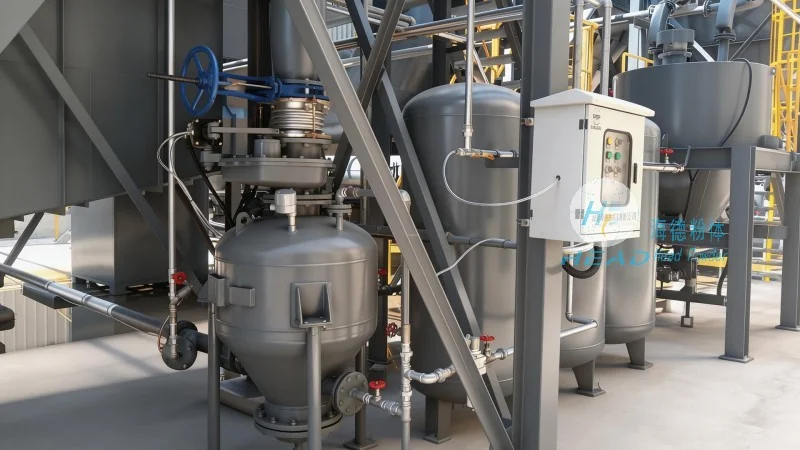
Advantages of Using a Pneumatic Conveying System for Adipic Acid
Implementing a pneumatic conveying system for adipic acid offers several advantages over traditional methods such as belt conveyors or bucket elevators. One of the primary benefits is the dust-free operation, which reduces the risk of respiratory issues for workers and minimizes the need for dust control measures. The system also helps to prevent material degradation, as the particles are not subjected to excessive friction or impact during transport. Additionally, the pneumatic conveying system provides better control over the material flow rate, ensuring a consistent supply to downstream processes. The system is also more compact and requires less floor space compared to other conveying methods, making it suitable for installations with limited space. Furthermore, the system can be easily integrated with other industrial equipment, such as storage tanks and processing units, to form a comprehensive material handling system.
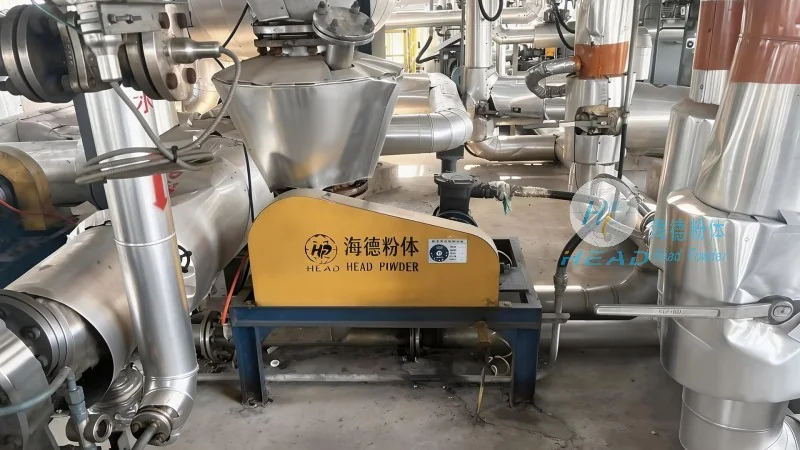
Role of Shandong HeadPowder Engineering Co., Ltd. in Pneumatic Conveying Systems
Shandong HeadPowder Engineering Co., Ltd., a leading provider of material handling solutions, specializes in designing and manufacturing pneumatic conveying systems for various industries, including the chemical and polymer sectors. The company has extensive experience in handling adipic acid and other similar materials, ensuring that their systems are tailored to meet the specific requirements of each application. HeadPowder engineers work closely with clients to understand their production needs, material characteristics, and operational constraints, developing customized solutions that optimize efficiency and safety. The company uses high-quality materials and advanced manufacturing techniques to ensure the durability and reliability of their systems. Regular maintenance and support services are also provided to ensure the long-term performance of the systems. With a focus on innovation and customer satisfaction, Shandong HeadPowder Engineering Co., Ltd. is committed to delivering top-tier pneumatic conveying systems that meet the highest industry standards.
Conclusion
In conclusion, the adipic acid pneumatic conveying system is a highly effective and efficient method for transporting adipic acid in industrial settings. The system operates based on the principles of air flow and pressure differential, utilizing key components such as hoppers, rotary valves, conveying lines, and compressors. The operation process involves loading, feeding, conveying, and receiving the material, with automated controls and sensors ensuring smooth and safe operation. The advantages of using such a system include dust-free operation, material protection, and space efficiency. Shandong HeadPowder Engineering Co., Ltd. plays a crucial role in providing these systems, leveraging their expertise and advanced technology to deliver reliable and customized solutions for adipic acid handling. By understanding the operation process and working principles of the system, industries can optimize their material handling processes and improve overall productivity.




