HeadPowder, a leading engineering company based in Shandong, China, specializes in the design, manufacturing, and implementation of advanced pneumatic conveying systems for various industrial applications. The company's expertise lies in developing efficient solutions for transporting fine sand, gravel, and similar bulk materials, ensuring reliable performance and minimal operational disruptions. This article delves into the operation process and working principle of their fine sand and gravel pneumatic conveying systems, highlighting key components, operational dynamics, and the benefits of such technology.
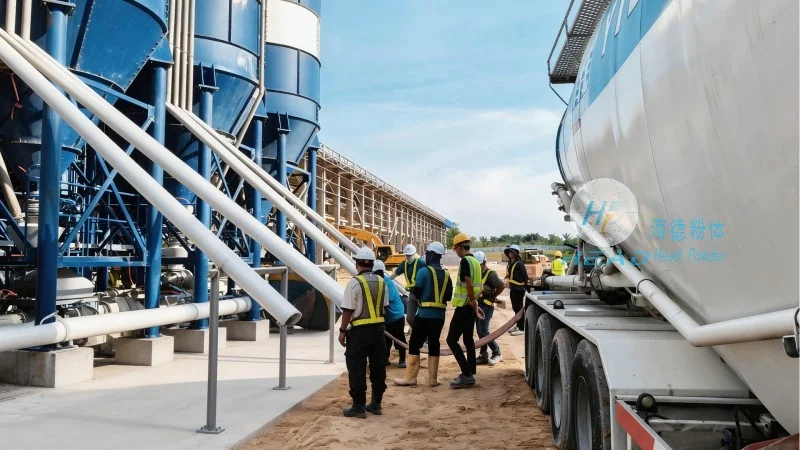
Working Principle of Pneumatic Conveying Systems
The core of a fine sand and gravel pneumatic conveying system is the ability to transport bulk materials through a pipeline using pressurized or vacuum air. HeadPowder's systems typically employ positive pressure conveying, where air is forced through the pipeline to move the material. The process begins with the material being fed into a hopper or feeder, where it is then introduced into the conveying line. As air is introduced, it creates a flow that carries the particles along the pipeline. The system's design ensures that the air velocity is sufficient to keep the material suspended, preventing blockages and ensuring smooth transport. Key components include the feeder, hopper, pipeline, and control valves, all working in tandem to maintain consistent material flow and pressure.
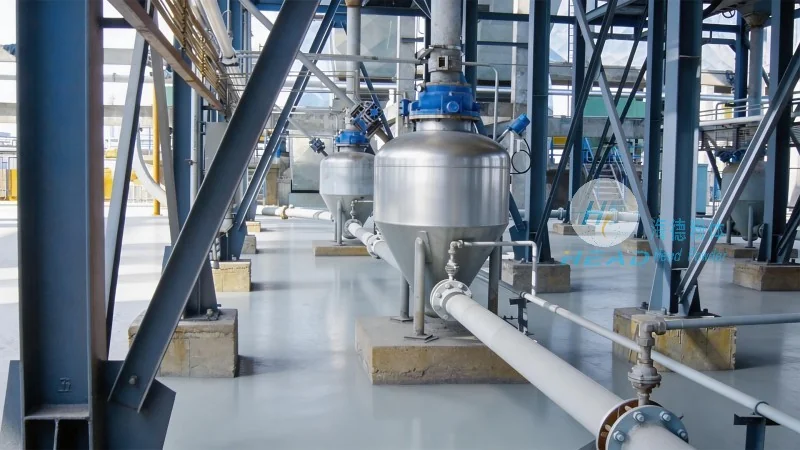
Key Components and Their Functions
Each component of the pneumatic conveying system plays a critical role in ensuring efficient operation. The feeder is responsible for delivering the material to the system at a controlled rate, preventing overloading and maintaining a steady flow. The hopper, often equipped with a rotary valve or gate, acts as a storage and feeding device, ensuring a continuous supply of material. The pipeline, made from durable materials such as stainless steel or plastic, is designed to withstand the pressure and abrasion from the sand and gravel. Control valves, including airlocks and pressure regulators, manage the air flow and pressure within the system, ensuring optimal performance and preventing system failures. HeadPowder's systems are engineered to maximize efficiency and minimize maintenance, with components selected based on the specific characteristics of the material being transported.
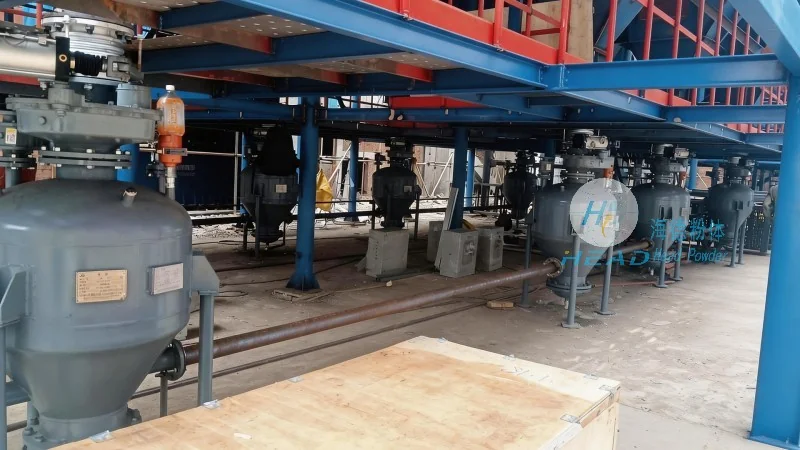
Operation Process: From Material Loading to Delivery
The operation process of a fine sand and gravel pneumatic conveying system involves several sequential steps. Initially, the material is loaded into the hopper from a storage silo or container. The feeder then regulates the flow of material into the conveying line, ensuring a consistent rate. As air is introduced from the blower or compressor, it creates a pressure differential that propels the material through the pipeline. The system monitors pressure and flow rates, adjusting the air supply as needed to maintain optimal performance. The material travels through the pipeline to the discharge point, where it is collected in a receiving hopper or container. The entire process is automated, with sensors and controls ensuring that the system operates smoothly and efficiently. HeadPowder's systems are designed to handle varying material characteristics, such as particle size, density, and moisture content, adapting to different industrial needs.
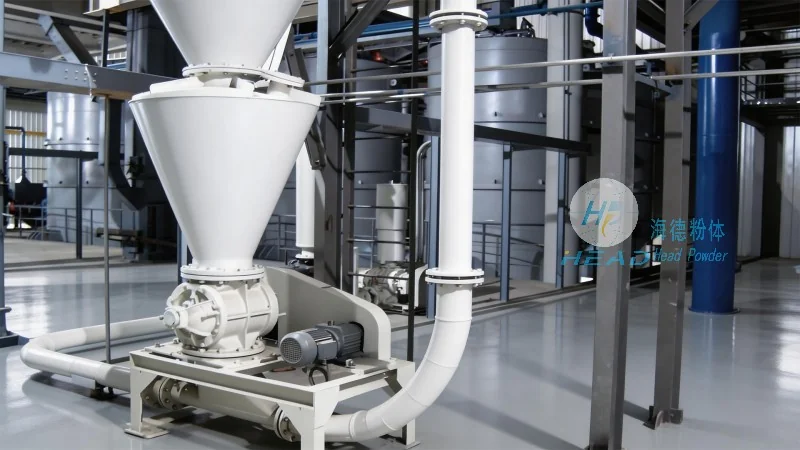
Benefits and Applications
HeadPowder's fine sand and gravel pneumatic conveying systems offer numerous benefits for industrial applications. The primary advantage is the ability to transport materials without the need for mechanical components like belts or buckets, reducing maintenance costs and operational downtime. The system is also highly flexible, allowing for changes in material type or flow rate without significant modifications. Additionally, the enclosed pipeline design minimizes dust emissions and environmental impact, making it suitable for applications where dust control is critical. These systems are widely used in construction, mining, and manufacturing industries, where the efficient transport of fine sand and gravel is essential. HeadPowder's solutions are tailored to meet the specific requirements of each client, ensuring optimal performance and reliability.




