Activated carbon material conveying systems are critical components in industrial processes where the efficient transport of activated carbon is essential. These systems are designed to handle the unique properties of activated carbon, such as its porous structure and varying particle sizes, while ensuring minimal loss and contamination. HeadPowder Engineering Co., Ltd., a professional manufacturer based in Shandong, China, specializes in developing advanced conveying solutions tailored to the demands of activated carbon handling. The following sections explore the working principles and key characteristics of such conveying systems, with a focus on the technology and features that make them effective for industrial applications.
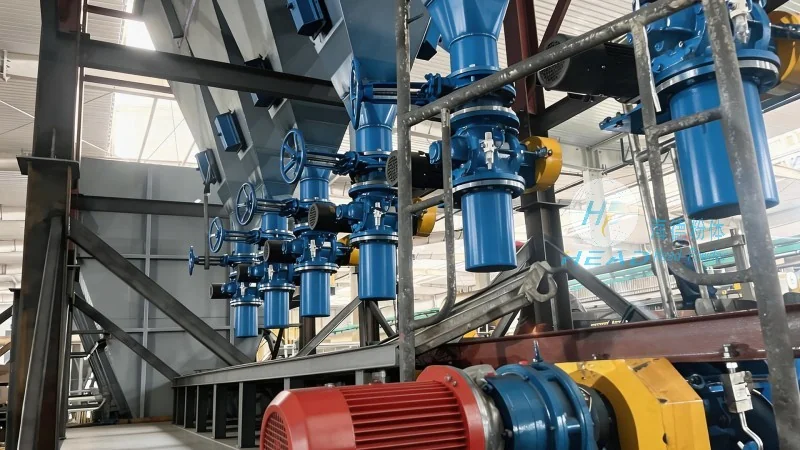
Working Principle of Activated Carbon Material Conveying
The core working principle of activated carbon material conveying involves the use of mechanical or pneumatic systems to move the material from a source to a destination. Common methods include belt conveyors, screw conveyors, bucket elevators, and pneumatic conveying systems. Each method operates based on different physical principles to achieve the desired transport. For instance, belt conveyors utilize a continuous loop of a flexible belt that carries the material through rollers and pulleys, while screw conveyors rely on a rotating helical screw to push the material forward. Pneumatic systems, on the other hand, use air pressure to transport the material in a sealed pipeline, which is particularly useful for handling fine or dusty materials like activated carbon. HeadPowder Engineering's designs optimize these systems for activated carbon, ensuring smooth operation and minimal wear. The selection of the appropriate conveying method depends on factors like the material's bulk density, moisture content, and the distance to be covered, with each technology offering unique advantages for different operational scenarios.
Key Characteristics of Activated Carbon Material Conveying
Activated carbon material conveying systems exhibit several key characteristics that make them suitable for industrial applications. One of the most notable features is their high efficiency in transporting large volumes of material with minimal energy consumption. This is achieved through optimized designs that reduce friction and improve the flow of the material. For example, belt conveyors are designed with smooth surfaces and proper tensioning to ensure consistent movement, while screw conveyors use helical blades that are tailored to the particle size of the activated carbon, preventing blockages and ensuring smooth operation. Another critical characteristic is the adaptability of these systems to different operational conditions. Activated carbon can vary in particle size, from fine powders to larger granules, and these conveying systems can be adjusted to handle a wide range of materials. This flexibility is crucial in industrial settings where the material properties may change over time or between batches. Additionally, many modern conveying systems incorporate advanced control technologies, such as variable speed drives and sensors, to monitor and adjust the flow rate in real-time, ensuring optimal performance and preventing overloading or underloading.
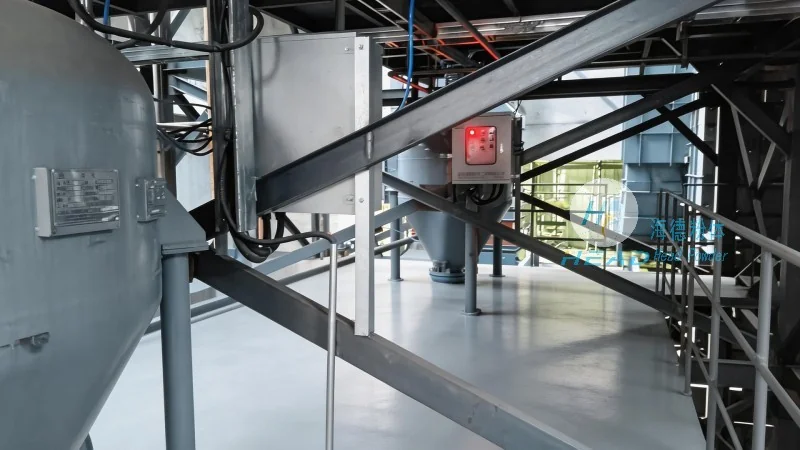
Environmental considerations are also a significant characteristic of activated carbon material conveying. Activated carbon is often used in processes that require clean air or water treatment, and the conveying systems must minimize dust emissions and prevent contamination. Many systems are equipped with dust collection and filtration systems to capture particles and return them to the process, reducing environmental impact. Furthermore, the materials used in the construction of the conveying equipment, such as stainless steel or corrosion-resistant alloys, are chosen to prevent contamination of the activated carbon, which is critical for maintaining the material's effectiveness in applications like adsorption and filtration. HeadPowder Engineering prioritizes these environmental and quality aspects in their product design, ensuring that their conveying systems meet the highest standards for industrial use.
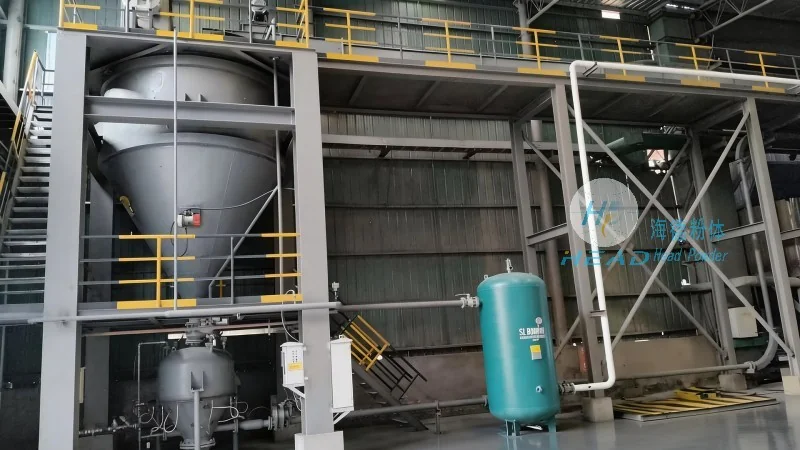
Application and Integration in Industrial Processes
Activated carbon material conveying systems are widely used in various industrial sectors, including chemical processing, water treatment, and air purification. In water treatment plants, for example, these systems transport activated carbon to filters where it is used to remove contaminants like organic compounds and heavy metals. In chemical manufacturing, activated carbon is used as a catalyst or adsorbent, and the conveying systems ensure that it is delivered to reactors or storage tanks without loss. The integration of these systems into existing processes is seamless, as they can be customized to fit the space and operational requirements of the facility. This adaptability allows industries to enhance their production efficiency while maintaining compliance with environmental regulations. HeadPowder Engineering's expertise in material handling ensures that their conveying solutions are tailored to the specific needs of each client, providing reliable and efficient transport of activated carbon in diverse industrial applications.
The role of activated carbon material conveying in industrial operations cannot be overstated. These systems are not just about moving material; they are integral to the overall performance and sustainability of the processes they support. By understanding the working principles and characteristics of such systems, industries can make informed decisions about the best equipment to use, ensuring that their operations run smoothly and efficiently. The technology behind these systems continues to evolve, with advancements in materials and control systems leading to even more efficient and reliable conveying solutions for activated carbon and other materials. HeadPowder Engineering remains at the forefront of this innovation, providing cutting-edge solutions that meet the evolving demands of the industry.




