Coal gangue, as a byproduct of coal mining and processing, poses significant challenges in terms of handling and transportation. Traditional methods often involve manual labor or heavy machinery, which can be inefficient, costly, and environmentally unfriendly. To address these issues, advanced pneumatic conveying systems have emerged as a reliable solution for transporting coal gangue efficiently and safely. This article provides a detailed overview of the operation process and working principle of a coal gangue pneumatic conveying system, highlighting its benefits and practical applications.
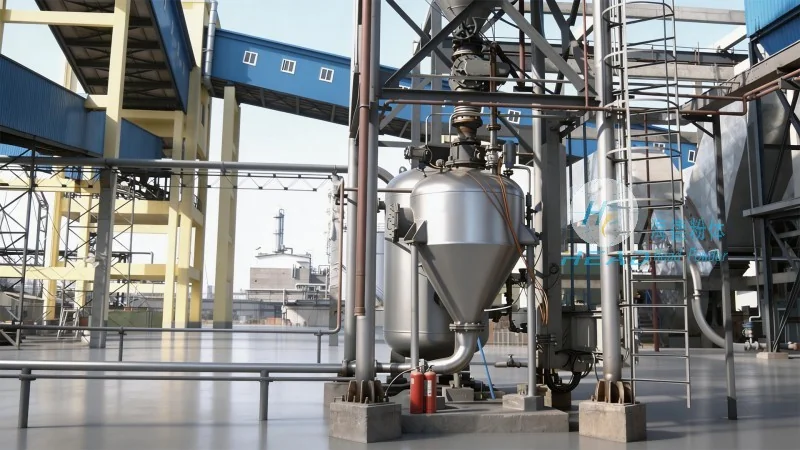
Company Overview: Shandong HeadPowder Engineering Co., Ltd.
Shandong HeadPowder Engineering Co., Ltd., commonly known as HeadPowder, is a leading manufacturer specializing in the design, development, and installation of industrial conveying systems. With a strong focus on innovation and customer satisfaction, the company has established itself as a trusted partner in the field of material handling solutions. HeadPowder's headquarters is located in Shandong, China, where the company's research and development team continuously works to improve the efficiency and reliability of its products.
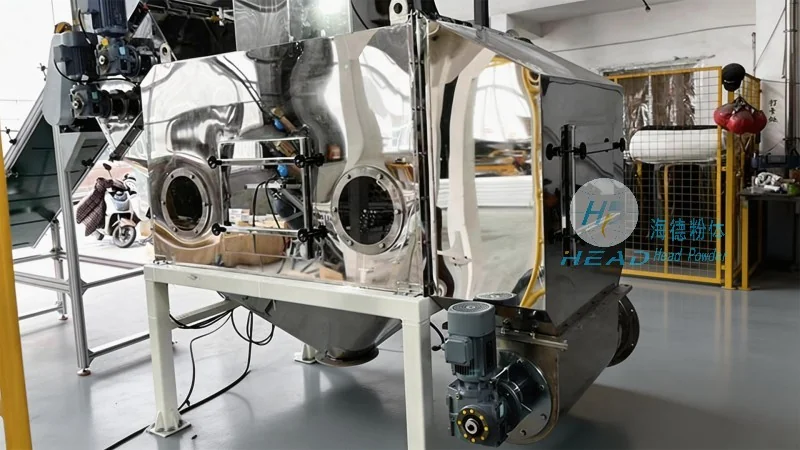
The Operation Process of the System
The operation of a coal gangue pneumatic conveying system involves several key steps, each designed to ensure smooth and continuous material transport. The process typically begins with the loading of coal gangue into the hopper or storage silo. From there, the material is fed into the conveying line through a feeder or rotary valve. The system then uses a combination of air pressure and vacuum to move the material through the pipeline. The conveying process can be categorized into two main types: positive pressure and negative pressure systems, each with its own advantages depending on the application requirements.
Working Principle of the System
The core working principle of a coal gangue pneumatic conveying system is based on the movement of material particles suspended in a stream of air. In a positive pressure system, compressed air is used to push the material through the pipeline, while in a negative pressure system, a vacuum is created to draw the material. The system consists of several key components, including a hopper, feeder, pipeline, and receiver. The hopper stores the coal gangue and feeds it into the system, while the feeder controls the flow rate of the material. The pipeline transports the material from the feeder to the receiver, where it is deposited. The receiver is designed to collect the material and prevent air leakage. The system also includes a filter and blower to maintain air quality and ensure proper operation.
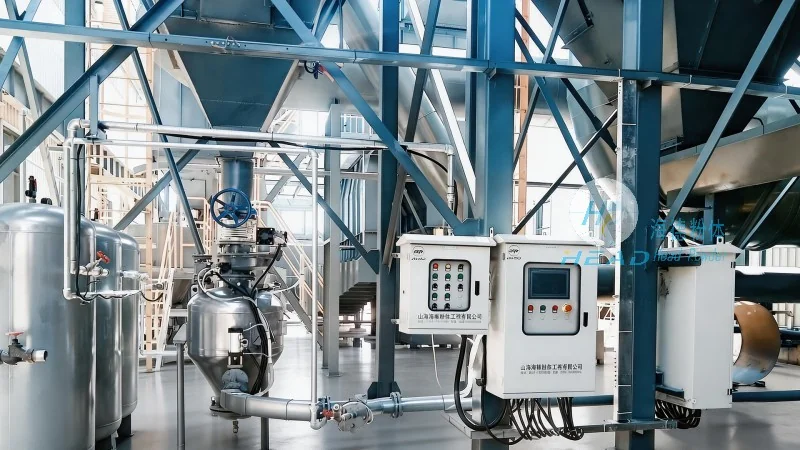
Key Features and Benefits
Coal gangue pneumatic conveying systems offer several advantages over traditional methods. These include high efficiency, as the system can transport large quantities of material over long distances with minimal labor. The system is also highly flexible, as it can be easily adjusted to accommodate different material types and flow rates. Additionally, the system is environmentally friendly, as it reduces the need for heavy machinery and manual handling, which can lead to lower emissions and less noise pollution. The system is also reliable, with low maintenance requirements and long service life. HeadPowder's coal gangue pneumatic conveying systems are designed to meet the specific needs of each customer, ensuring optimal performance and efficiency.




