

Operation Process and Working Principle of Iron Oxide Powder Pneumatic Conveying System
Iron oxide powder, a crucial material in various industrial applications, requires efficient and reliable handling methods for seamless material transport. The pneumatic conveying system, particularly designed for iron oxide powder, offers a solution that ensures safe, clean, and efficient material movement. This article delves into the operation process and working principle of such a system, highlighting its key components, operational steps, and the benefits it provides to industrial processes. HeadPowder, a leading provider of engineering solutions for material handling, specializes in the design and implementation of pneumatic conveying systems for iron oxide powder. With years of experience in the industry, HeadPowder has developed state-of-the-art systems that meet the specific needs of various industrial applications.
Key Components of the Pneumatic Conveying System
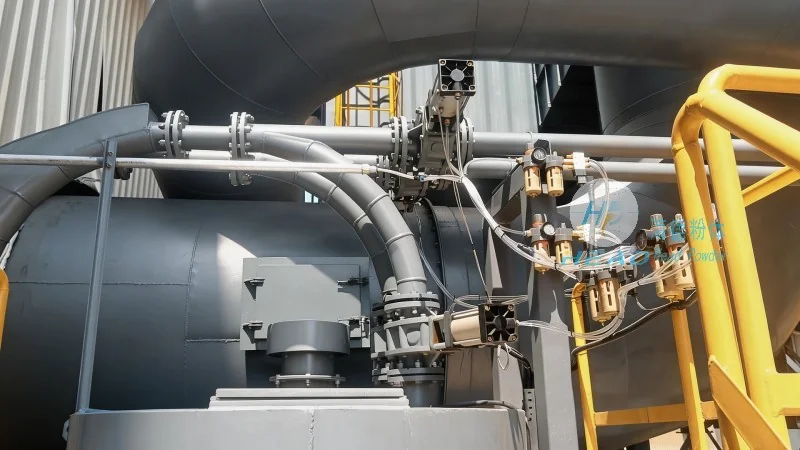
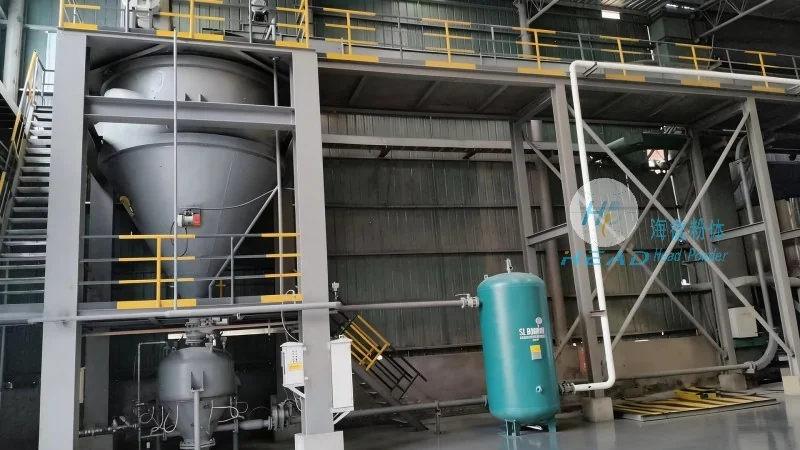
The pneumatic conveying system for iron oxide powder typically consists of several essential components that work in tandem to achieve effective material transport. These components include a material hopper or feeder, a conveying line (usually made of stainless steel or other corrosion-resistant materials to handle the abrasive nature of iron oxide powder), a blower or air compressor, a control valve system, and a discharge unit. The material hopper is responsible for storing and feeding the iron oxide powder into the system, ensuring a consistent flow rate. The conveying line transports the powder through the system using pressurized air, while the blower generates the necessary air pressure and flow. The control valve system regulates the air flow and pressure to maintain optimal conveying conditions. Finally, the discharge unit collects the conveyed iron oxide powder at the destination point.
Working Principle of the Pneumatic Conveying System
The working principle of the pneumatic conveying system for iron oxide powder is based on the principle of air flow and particle suspension. When the system is activated, the blower starts to generate pressurized air, which is then introduced into the conveying line. As the air flows through the line, it creates a low-pressure zone that draws the iron oxide powder from the material hopper into the conveying line. The powder particles are then suspended in the air stream and transported to the discharge point. The velocity of the air and the size of the powder particles determine the conveying capacity and efficiency of the system. Proper design of the conveying line, including the diameter and length, is crucial to maintain the optimal air-particle ratio and prevent particle degradation or blockages.
Operation Process of the Pneumatic Conveying System
The operation process of the pneumatic conveying system for iron oxide powder involves several sequential steps to ensure smooth and continuous material transport. First, the iron oxide powder is loaded into the material hopper. The hopper is equipped with a feeder that controls the flow rate of the powder into the conveying line. Next, the blower is started, and the air pressure is adjusted to the required level. The control valve system then regulates the air flow to maintain the desired pressure and flow rate. As the system operates, the iron oxide powder is drawn from the hopper and transported through the conveying line to the discharge unit. The discharge unit collects the powder and may be connected to a storage tank or further processing equipment. The system continues to operate until the material hopper is emptied or the conveying task is completed. During operation, the system parameters such as air pressure, flow rate, and powder feed rate are monitored to ensure optimal performance and prevent any issues like blockages or inefficient conveying.
Benefits and Applications of the Pneumatic Conveying System
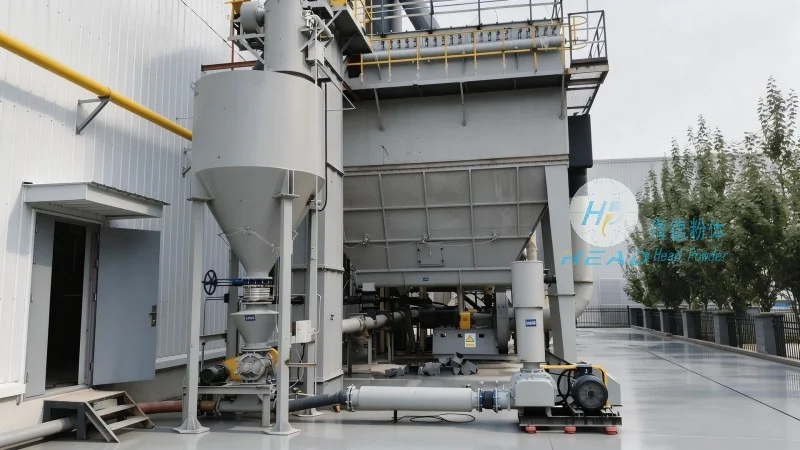
The pneumatic conveying system for iron oxide powder offers several benefits that make it an ideal choice for industrial applications. One of the primary advantages is its ability to handle abrasive and dusty materials without causing wear and tear on the system components. The system also provides a clean and hygienic method of material transport, as it eliminates the need for manual handling and reduces the risk of contamination. Additionally, the system is highly efficient, with minimal material loss and low energy consumption compared to other conveying methods. The system is widely used in various industries, including chemical manufacturing, pharmaceuticals, and food processing, where the transport of iron oxide powder is required. For example, in the chemical industry, iron oxide powder is used as a pigment in coatings and paints, and the pneumatic conveying system ensures its efficient transport from storage to production lines. In the pharmaceutical industry, the system is used to transport iron oxide powder for use in drug formulations, ensuring a clean and controlled process.