

Operating Process and Working Principle of Stearic Acid Sodium Pneumatic Conveying System
Stearic acid sodium, a widely used chemical additive in various industries, often requires efficient and reliable transportation methods to ensure smooth production processes. The pneumatic conveying system, particularly the stearic acid sodium pneumatic conveying system, has emerged as a critical solution for handling such materials. This system combines the advantages of air flow and mechanical components to transport stearic acid sodium from storage to processing units with precision and efficiency.
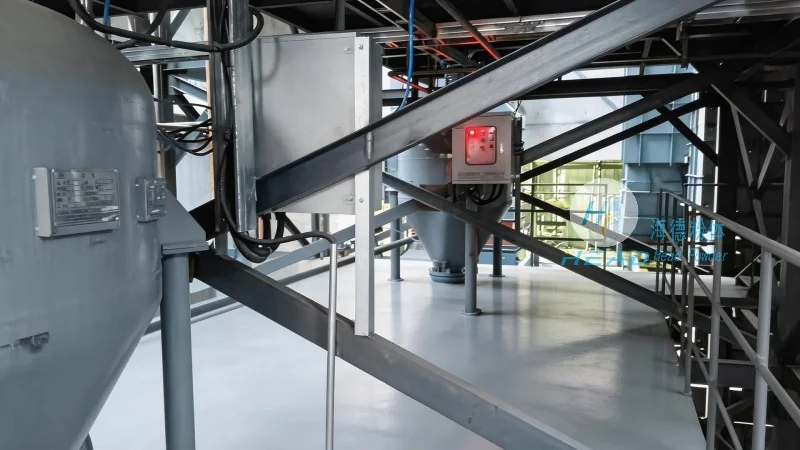
Company Overview: Shandong HeadPowder Engineering Co., Ltd.
As a leading manufacturer in the chemical engineering sector, Shandong HeadPowder Engineering Co., Ltd. specializes in designing and supplying advanced pneumatic conveying systems. With a strong commitment to quality and innovation, the company has established itself as a trusted partner for businesses seeking reliable material handling solutions. HeadPowder's expertise lies in customizing systems to meet specific operational requirements, ensuring optimal performance and durability for clients across diverse industries.
Key Components of the Stearic Acid Sodium Pneumatic Conveying System
The stearic acid sodium pneumatic conveying system typically consists of several core components that work in tandem to facilitate material transport. The system includes a hopper for material storage, a rotary valve or feeder to control the flow of stearic acid sodium, a pipeline network for air and material transport, and a receiver or destination vessel. Additionally, the system may incorporate a blower or air compressor to generate the necessary air pressure for conveying, along with a filter system to maintain air quality and prevent contamination.
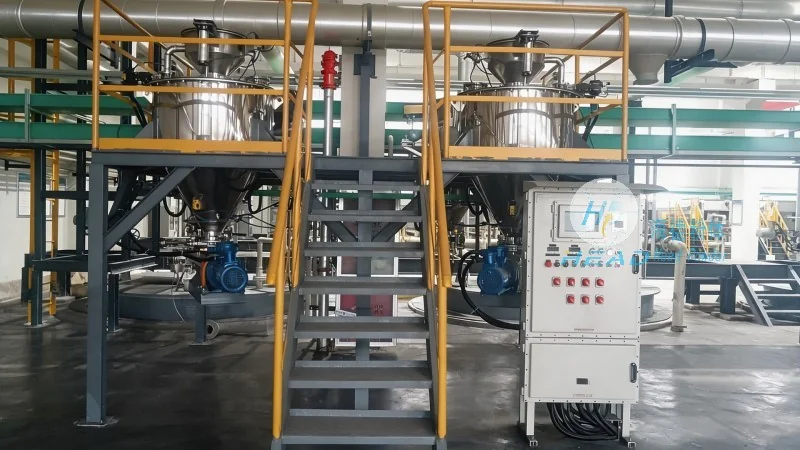
Operating Process of the Stearic Acid Sodium Pneumatic Conveying System
The operation of the stearic acid sodium pneumatic conveying system follows a systematic process to ensure efficient material transfer. Initially, stearic acid sodium is fed into the hopper from a storage silo or container. The rotary valve then regulates the amount of material released into the pipeline, controlling the flow rate. Simultaneously, the blower generates high-pressure air, which is introduced into the pipeline. The air and material mixture travels through the pipeline, with the air flow carrying the stearic acid sodium particles to the destination vessel. The receiver at the end of the pipeline collects the material, while the air is filtered and returned to the system or released safely. This continuous cycle allows for seamless and uninterrupted transportation of stearic acid sodium, minimizing downtime and enhancing overall productivity.
Working Principle of the Stearic Acid Sodium Pneumatic Conveying System
The working principle of the stearic acid sodium pneumatic conveying system is based on the principles of fluid dynamics and air pressure. The system utilizes the kinetic energy of the air flow to lift and transport the stearic acid sodium particles. When the blower creates a high-pressure air stream, it creates a pressure differential between the hopper and the receiver. This pressure difference causes the stearic acid sodium to be drawn into the pipeline and carried by the air flow. The design of the pipeline, including the use of bends and fittings, is optimized to minimize pressure loss and ensure consistent material transport. The rotary valve and feeder play a crucial role in controlling the material flow rate, preventing overloading or underloading of the system. The filter system ensures that the air used for conveying remains clean, preventing the accumulation of dust or particles that could affect the material quality or system performance.
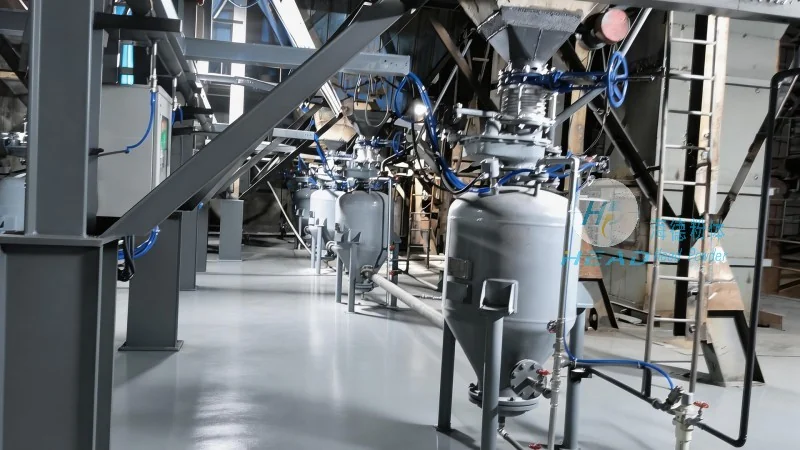
Advantages of the Stearic Acid Sodium Pneumatic Conveying System
Implementing a stearic acid sodium pneumatic conveying system offers several advantages for industrial applications. Firstly, the system provides a dust-free and enclosed environment, reducing the risk of material contamination and improving workplace safety. Unlike traditional bulk handling methods, the pneumatic system eliminates the need for manual handling, reducing labor costs and minimizing the risk of accidents. Additionally, the system offers high efficiency in material transport, with the ability to handle large volumes of stearic acid sodium quickly and reliably. The flexibility of the system allows for easy integration with existing production lines, and the modular design enables customization to meet specific operational needs. Furthermore, the system is energy-efficient, as the air flow can be adjusted to match the material flow rate, optimizing energy consumption. Overall, the stearic acid sodium pneumatic conveying system enhances productivity, reduces operational costs, and improves the overall quality of the material handling process.
Application Scenarios and Industries
The stearic acid sodium pneumatic conveying system is widely used in various industries that require the handling of fine chemicals and powders. In the pharmaceutical industry, the system is used to transport stearic acid sodium to production lines for the manufacturing of tablets and capsules. In the food industry, it is employed in the production of food additives and supplements, ensuring hygienic and efficient material transfer. The chemical industry also utilizes the system for the handling of various chemical powders, including stearic acid sodium, in research and production facilities. Additionally, the system is applicable in the cosmetics industry for the transportation of ingredients used in skincare and beauty products. The versatility of the stearic acid sodium pneumatic conveying system makes it suitable for a wide range of applications, catering to the diverse needs of different industries.