

Working Principle and Characteristics of Recycled Sand Material Conveying
Recycled sand material conveying systems are critical components in modern manufacturing and construction sectors, particularly for processes that involve the handling of reclaimed sand. These systems are engineered to efficiently transport sand derived from construction waste or industrial byproducts, ensuring a sustainable and cost-effective material flow. The working principle of such systems typically integrates specialized mechanical components that work in unison to move the sand from one location to another with precision and reliability.
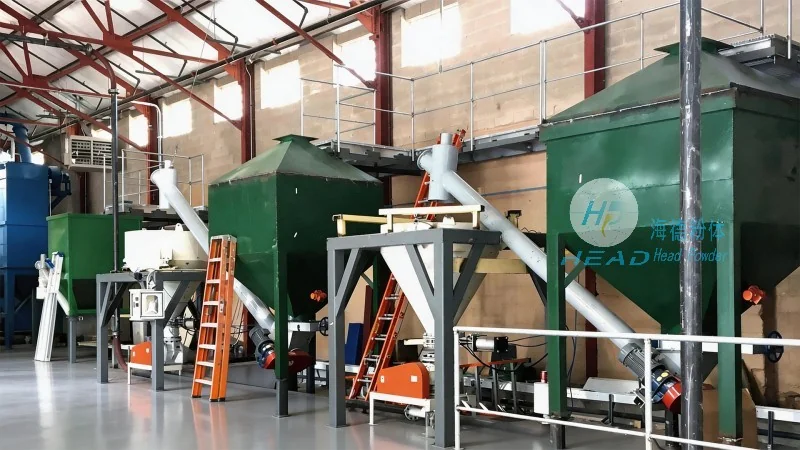
Working Principle of Recycled Sand Material Conveying
The core working principle of recycled sand material conveying systems centers on the utilization of equipment like conveyor belts, screw conveyors, or pneumatic conveyors. These systems are designed to accommodate the unique properties of recycled sand, which may include variations in particle size, moisture content, and contamination levels. The process generally initiates with the intake of raw recycled sand into a hopper or feeding mechanism. From there, the sand is transferred to a conveyor system that transports it through a series of components, including feeders, conveyors, and possibly sorting or cleaning units. The mechanical action—whether through gravity, motor-driven belts, or air pressure—ensures smooth and unclogged movement, which is vital for maintaining operational efficiency. The system is often equipped with sensors and control mechanisms to monitor flow rate, pressure, and other parameters, allowing for real-time adjustments to optimize performance. This integrated approach guarantees that the recycled sand is conveyed safely and effectively, meeting the demands of downstream processing or storage.
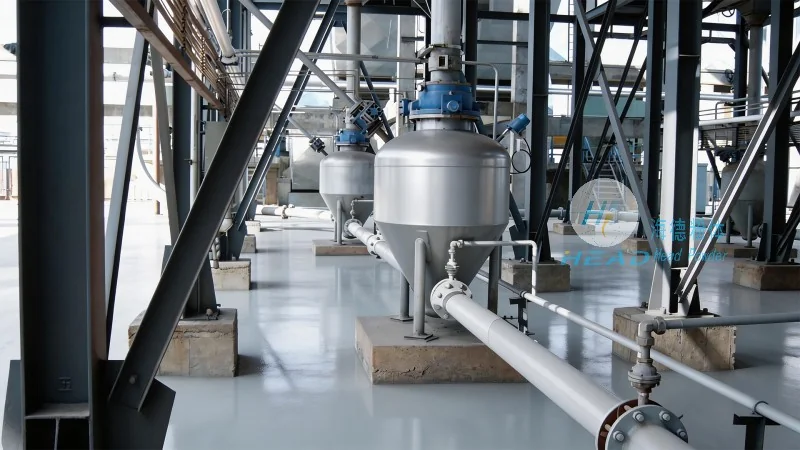
Key Characteristics of Recycled Sand Material Conveying Systems
Recycled sand material conveying systems exhibit several distinct characteristics that make them suitable for handling reclaimed materials. One primary characteristic is their adaptability to varying material properties. Unlike traditional sand handling systems built for uniform materials, recycled sand conveyors are constructed to accommodate inconsistencies often found in reclaimed sand, such as mixed particle sizes or moisture content. This adaptability is achieved through adjustable feed mechanisms and flexible conveyor designs that can handle a wide range of material types. Another crucial characteristic is the emphasis on durability and low maintenance. Given that recycled sand may contain abrasive particles or contaminants, the equipment is built from robust materials like stainless steel or heavy-duty plastics to resist wear and corrosion. This design choice extends the operational lifespan of the system and reduces downtime, critical for maintaining productivity in industrial settings. Additionally, these systems are designed with energy efficiency in mind. By optimizing conveyor speed and feed rate, they minimize energy consumption while ensuring consistent material flow. This not only reduces operational costs but also aligns with sustainability goals by promoting energy conservation. The systems also prioritize safety features, including enclosed conveyor sections to prevent dust emissions and accidental contact with moving parts, ensuring a secure working environment for operators. Furthermore, the integration of monitoring and control technologies allows for proactive maintenance, detecting potential issues before they lead to system failures. This proactive approach enhances reliability and reduces the need for frequent repairs, contributing to overall operational stability.
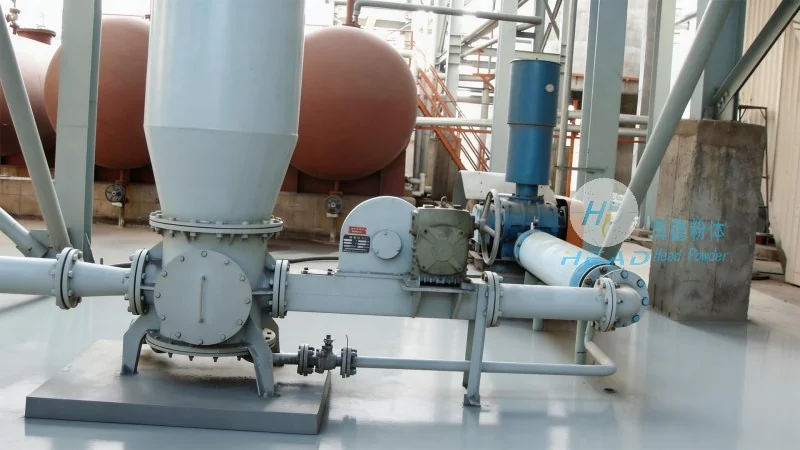
Applications and Benefits in Industrial Settings
Recycled sand material conveying systems find extensive applications across various industries, including foundries, concrete production, and construction material manufacturing. In foundries, for instance, these systems are used to transport reclaimed sand from the molding process back to the reclamation unit, where it is cleaned and prepared for reuse. This closed-loop system significantly reduces the need for new sand, lowering material costs and minimizing environmental impact. In concrete production, recycled sand is used as a partial substitute for natural sand, contributing to the production of sustainable concrete. The conveying systems ensure that the recycled sand is delivered to the mixing plant in a controlled manner, maintaining the quality and consistency of the final product. The benefits of using recycled sand material conveying systems extend beyond cost savings and environmental sustainability. They also enhance operational efficiency by streamlining material handling processes, reducing manual labor, and improving overall production throughput. The ability to handle large volumes of material with minimal human intervention contributes to a more automated and reliable manufacturing environment. Moreover, the systems support compliance with environmental regulations by reducing reliance on virgin materials and minimizing waste generation. This aligns with the growing emphasis on sustainable practices in industrial operations, making recycled sand conveying systems a valuable asset for companies committed to eco-friendly production.
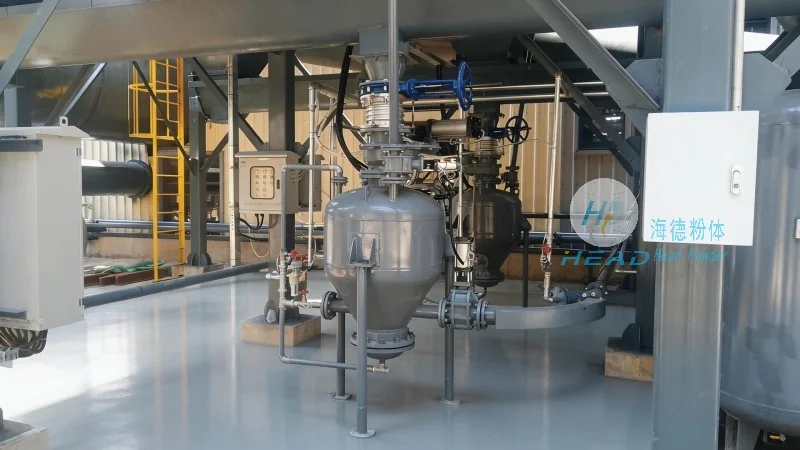
Conclusion and Company Overview
In conclusion, recycled sand material conveying systems represent a sophisticated solution for efficiently handling reclaimed sand in industrial applications. By leveraging advanced mechanical designs and control technologies, these systems ensure reliable material transport while addressing the unique challenges posed by recycled materials. The key working principles and characteristics, such as adaptability, durability, and energy efficiency, make them indispensable in modern manufacturing and construction processes. As the demand for sustainable practices continues to grow, the adoption of recycled sand conveying systems is expected to increase, further reducing the environmental footprint of industrial operations. Shandong HeadPowder Engineering Co., Ltd., a leading provider in this field, specializes in designing and manufacturing high-quality recycled sand conveying solutions tailored to the specific needs of various industries. With a focus on innovation and customer satisfaction, HeadPowder offers systems that enhance operational efficiency, reduce costs, and promote environmental responsibility. Based in Shandong, China, the company leverages its expertise to deliver reliable and durable equipment that meets the evolving demands of the market. By integrating advanced technologies and robust engineering, HeadPowder continues to set standards in the recycling and material handling industry, supporting clients in their transition to more sustainable and efficient production methods.