

Polyethylene Material Pneumatic Conveying Machine: Principle and Working Scene Characteristics
HeadPowder, a leading manufacturer based in Shandong, China, specializes in the design and production of pneumatic conveying systems tailored for polyethylene materials. This article delves into the fundamental principles of such equipment and highlights the key working scene characteristics that define its application in industrial settings.
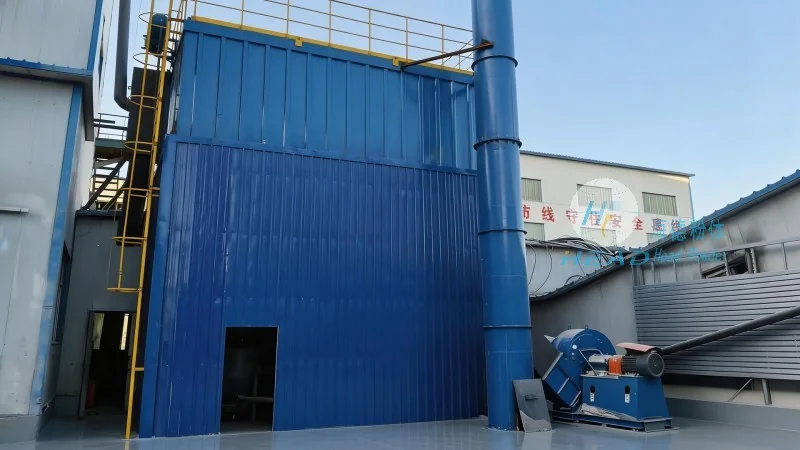
Pneumatic conveying machines, also known as pneumatic conveyors, utilize air or gas as the medium to transport bulk materials like polyethylene. The core principle revolves around creating a pressure differential between the conveying line and the ambient environment. By introducing air under pressure into the system, the material is lifted, transported, and deposited at the desired location. This method offers advantages such as dust-free operation, minimal material degradation, and the ability to handle materials in a closed system, which is particularly beneficial for polyethylene, a material sensitive to moisture and contamination.
The working scene characteristics of polyethylene pneumatic conveying machines are shaped by several factors, including the material's physical properties, the required conveying distance, and the environmental conditions of the industrial site. For instance, in manufacturing facilities where polyethylene pellets or granules are processed, the equipment must be capable of handling high volumes with minimal pressure loss. The design of the conveying line, including the choice of pipe diameter, the type of air valves, and the placement of in-line filters, directly impacts the efficiency and reliability of the system. Additionally, the system's ability to maintain consistent air pressure and flow rate is crucial for preventing material blockages and ensuring smooth operation.
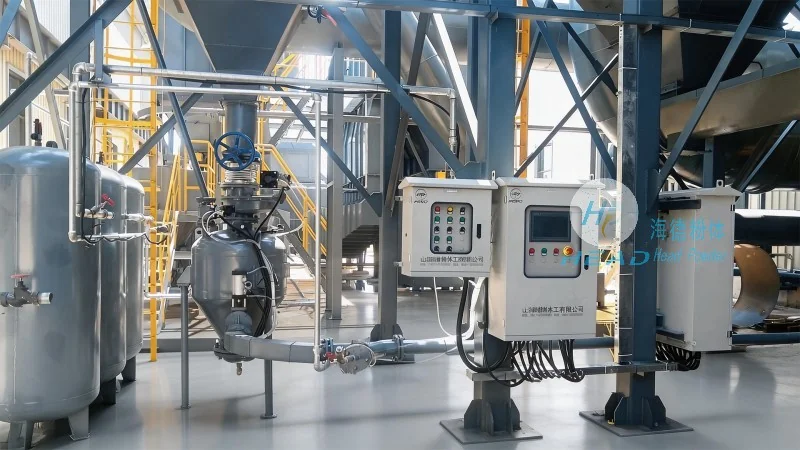
Another critical aspect is the integration of the pneumatic conveying system with other processing equipment. In polyethylene production lines, the conveyor may connect to extruders, mixers, or storage silos. The compatibility of the system with these components is essential to maintain a seamless workflow. For example, the design of the discharge mechanism must allow for easy transfer of polyethylene from the conveying line to the next processing stage without causing material spillage or contamination. This integration is often achieved through customized components that match the specific requirements of the production environment.
The working scene also considers the operational environment, such as temperature and humidity. Polyethylene materials can be sensitive to temperature fluctuations, which may affect their flow characteristics. Therefore, the pneumatic conveying system must be equipped with temperature control features to maintain optimal conditions. In humid environments, moisture can lead to material clumping or degradation, making the use of dry air and proper filtration systems imperative. These considerations ensure that the equipment operates efficiently and maintains the quality of the polyethylene material throughout the conveying process.
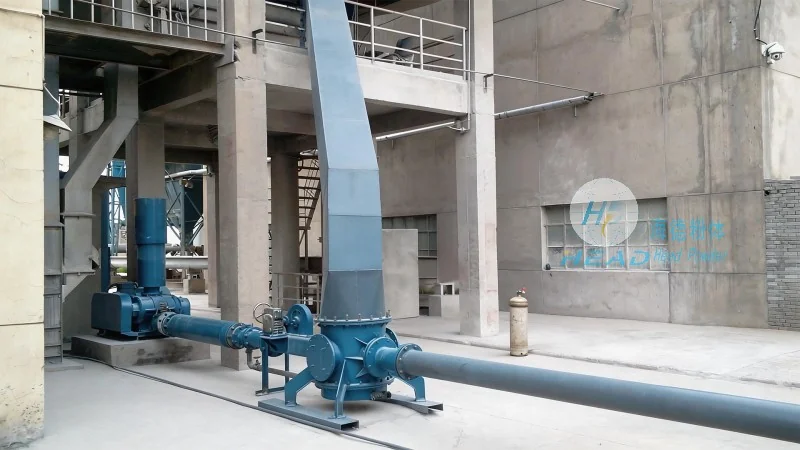
Furthermore, the maintenance and operational flexibility of the pneumatic conveying machine are key working scene characteristics. The system should be designed for easy access to components for cleaning and maintenance, which is vital for polyethylene applications where material buildup can occur. The ability to adjust conveying parameters, such as air pressure and flow rate, allows for adaptation to varying production demands. This flexibility is particularly important in dynamic industrial settings where production schedules may change frequently.
In conclusion, the polyethylene material pneumatic conveying machine operates on the principle of air-based transport, offering efficient and clean material handling solutions. Its working scene characteristics, influenced by material properties, system design, and operational environment, are tailored to meet the specific needs of polyethylene processing industries. By understanding these principles and characteristics, industrial facilities can select and implement the most suitable pneumatic conveying system to enhance productivity and maintain material quality.