

Classification and Composition of Sodium Carbonate Pneumatic Conveying Systems
For industrial applications involving the transport of sodium carbonate, pneumatic conveying systems offer an efficient and reliable method. These systems are designed to handle bulk materials like sodium carbonate, ensuring safe and effective movement from source to destination. The following sections will explore the classification of such systems and their key components, providing a comprehensive overview for professionals in the field.
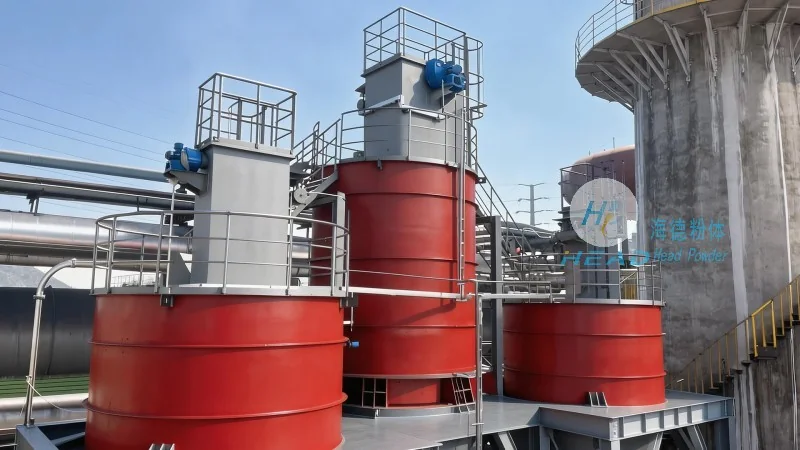
Classification of Pneumatic Conveying Systems
Pneumatic conveying systems for sodium carbonate are typically categorized based on the pressure used to move the material. The two main types are vacuum (or suction) systems and pressure (or blow) systems. Each type has distinct characteristics and applications, making them suitable for different operational needs.
Vacuum (Suction) Systems operate by creating a negative pressure in the system, drawing material from a hopper or storage bin into the conveying line. This method is ideal for applications where the material is to be collected from multiple points or where the source is at a lower elevation than the destination. The vacuum system uses a fan or blower to create the suction, and the material is carried by the air stream as it moves through the pipeline.
Pressure (Blow) Systems, on the other hand, use positive pressure to push the material through the conveying line. These systems are commonly used when the material needs to be transported over longer distances or when the source is at a higher elevation than the destination. A blower or compressor generates the necessary pressure, and the material is propelled through the pipeline by the pressurized air.
Key Components of a Pneumatic Conveying System
A typical pneumatic conveying system for sodium carbonate consists of several essential components that work together to ensure efficient operation. The main components include the feeding device, conveying pipeline, air supply unit, separation and collection equipment, and control system.
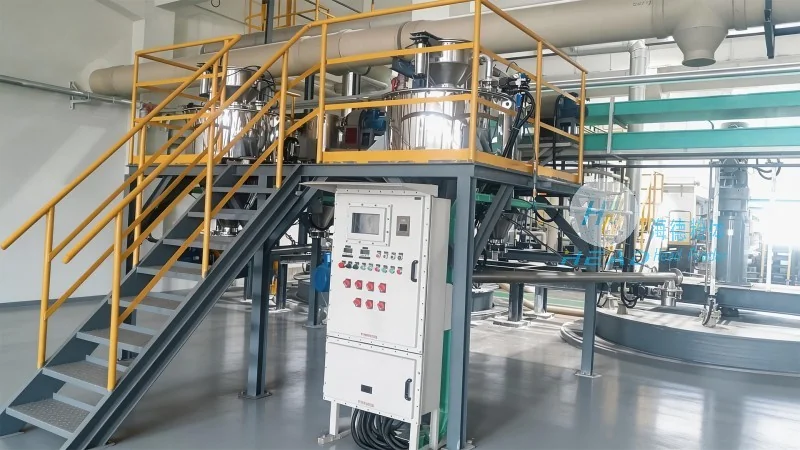
Feeding Device: This component is responsible for introducing the sodium carbonate material into the conveying system. It may include a hopper, a rotary valve, or a screw feeder, depending on the system design. The feeding device ensures a consistent and controlled flow of material into the pipeline, preventing blockages and maintaining system efficiency.
Conveying Pipeline: The pipeline is the main channel through which the sodium carbonate and air travel. It is typically made of materials such as stainless steel or plastic, chosen for their durability and resistance to corrosion from the sodium carbonate. The pipeline design, including the diameter and length, is critical to the system's performance, as it affects the air velocity and material transport efficiency.
Air Supply Unit: This unit provides the necessary air or gas to move the material through the pipeline. It can be a fan for vacuum systems or a blower/ compressor for pressure systems. The air supply unit must be capable of generating the required pressure or vacuum, and it may include filters and regulators to maintain air quality and pressure stability.
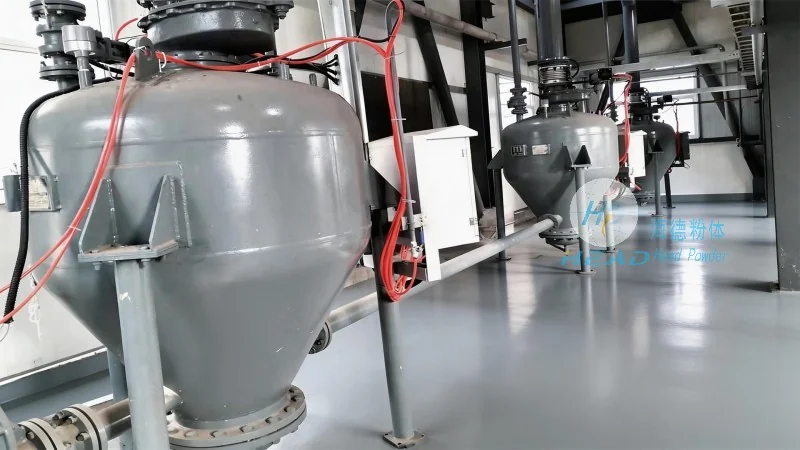
Separation and Collection Equipment: At the end of the conveying line, the separation and collection equipment is used to separate the sodium carbonate from the air and collect it in a receiving hopper or container. This may include a cyclone separator, a bag filter, or a dust collector, depending on the system's design and the material's properties. The efficiency of this component is crucial to prevent material loss and maintain air quality.
Control System: The control system manages the operation of the entire pneumatic conveying system. It includes sensors, valves, and a control panel that monitor and adjust the system's parameters, such as air pressure, material flow rate, and system pressure. The control system ensures safe and efficient operation, preventing overloading or system failures.
Application Considerations for Sodium Carbonate Pneumatic Conveying
When selecting a pneumatic conveying system for sodium carbonate, several factors must be considered to ensure optimal performance. These include the material's properties, such as particle size, density, and moisture content, as well as the distance and elevation changes between the source and destination. The system's capacity and reliability are also important factors, as they directly impact production efficiency and operational costs.
The choice between vacuum and pressure systems depends on the specific application requirements. For example, a vacuum system may be preferred for handling sodium carbonate from a hopper located at a lower level, while a pressure system may be more suitable for transporting it over longer distances or to a higher elevation. Additionally, the system's design must consider the potential for material degradation or contamination, as sodium carbonate is a valuable industrial chemical that requires careful handling.