

Principle and Working Scene Characteristics of Pneumatic Conveying Equipment for Limestone Powder Pa
For industries dealing with limestone powder and other fine particulate materials, efficient material handling is crucial. Pneumatic conveying equipment offers a reliable solution for transporting these materials over short to medium distances. This article explores the fundamental principles behind such systems and highlights key working scene characteristics that make them suitable for limestone powder applications.
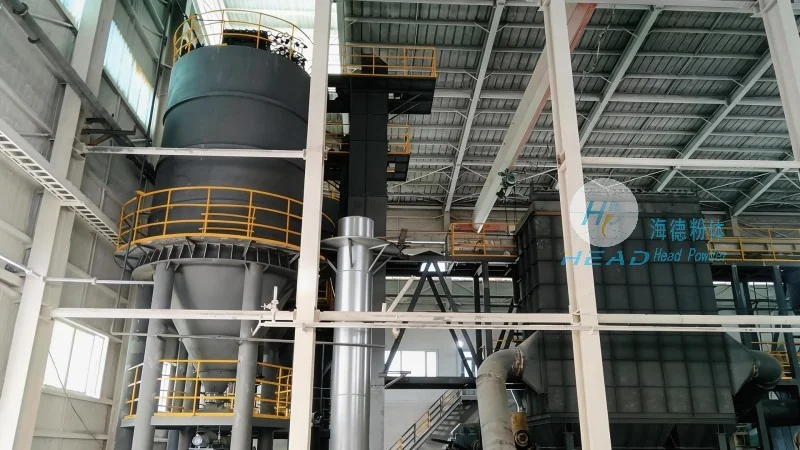
Principle of Pneumatic Conveying for Limestone Powder
The core principle of pneumatic conveying involves using compressed air or gas to transport bulk materials through a pipeline. In the case of limestone powder, the system typically operates under positive pressure, where air is forced through the material to create a slurry-like flow. This method eliminates the need for mechanical components like belts or buckets, reducing maintenance and operational costs. The process begins with the limestone powder being fed into a hopper, where it is then drawn into the conveying line by the moving air stream. The air velocity is carefully controlled to ensure the powder particles are suspended and transported without clogging the pipeline. This principle is particularly effective for limestone powder due to its fine particle size, which allows for smooth suspension in the air stream.
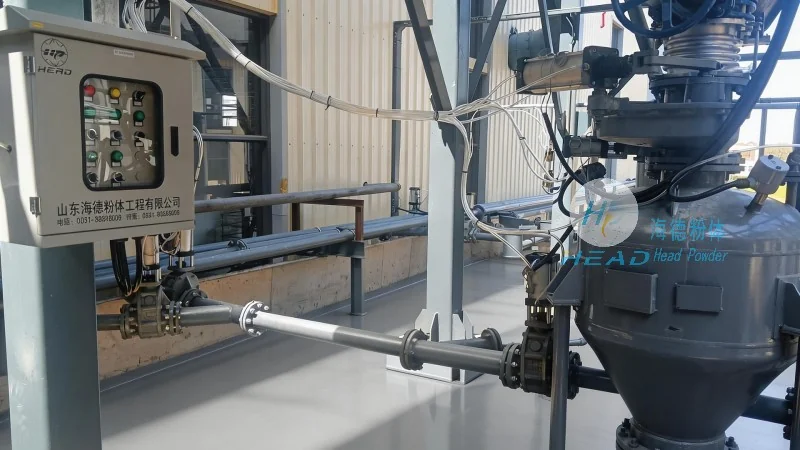
Key Working Scene Characteristics of Pneumatic Conveying Equipment
When considering the application of pneumatic conveying for limestone powder, several working scene characteristics are critical. First, the system's ability to handle dust and fine particles without causing blockages is essential. Limestone powder is prone to creating dust, and the design of the conveying equipment must include features like cyclone separators or filter bags to prevent dust accumulation and ensure compliance with environmental regulations. Second, the system's flexibility in terms of layout is a significant advantage. Pneumatic conveyors can be installed in various configurations, including vertical, horizontal, or a combination of both, allowing for integration into existing production lines without major structural changes. Third, the energy efficiency of the system is a key factor. Modern pneumatic conveying systems use optimized air flow and pressure control to minimize energy consumption, making them cost-effective for long-term operation. Additionally, the system's ability to handle varying material flow rates is important, as limestone powder production may fluctuate based on demand. The equipment can be adjusted to accommodate these changes, ensuring consistent performance.
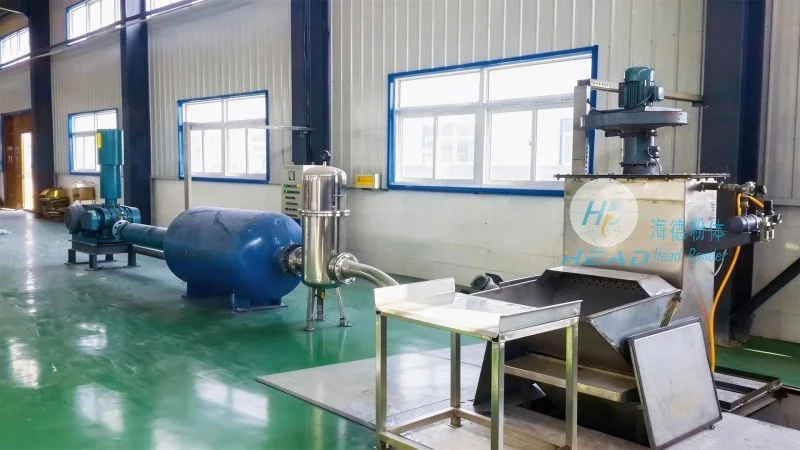
Company Overview: Shandong HeadPowder Engineering Co., Ltd.
Shandong HeadPowder Engineering Co., Ltd., operating under the brand name headpowder, specializes in the design, manufacturing, and installation of advanced pneumatic conveying systems. With a focus on limestone powder and similar fine particulate materials, the company has developed expertise in creating customized solutions that meet the specific needs of industrial clients. The company's headquarters is located in Shandong, China, where it leverages local manufacturing capabilities and technical expertise to deliver high-quality equipment. By combining engineering innovation with practical application experience, headpowder ensures that its pneumatic conveying systems are not only efficient but also durable and reliable for long-term use in limestone powder processing facilities.