Rice husk ash, a byproduct of rice processing, is increasingly recognized for its potential in various industrial applications. The efficient handling and transportation of this fine powder are crucial for maximizing its utilization. A rice husk ash powder conveying line is a specialized system designed to transport this material from one location to another with precision and reliability. This article explores the fundamental aspects of such a system, focusing on its design principles and operational efficiency.
Understanding the Components of a Conveying Line
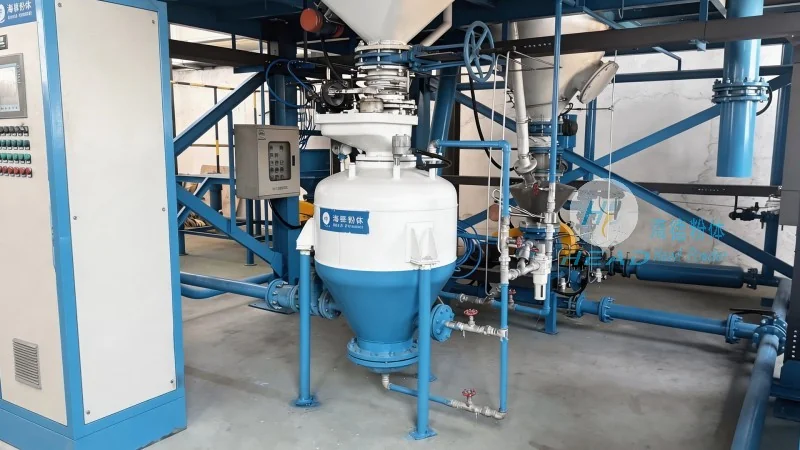
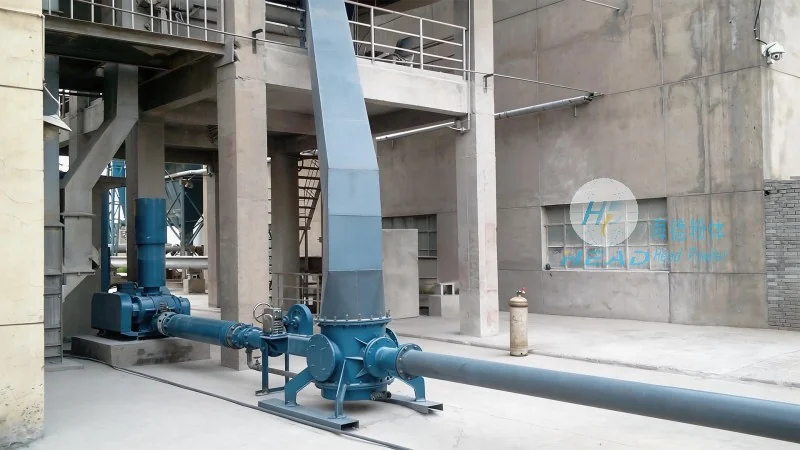
The rice husk ash powder conveying line typically consists of several key components that work in tandem to ensure smooth material transport. These components include hoppers for material storage, feeders to control the flow rate, conveying equipment such as screw conveyors or pneumatic systems, and control panels for monitoring and adjusting operations. Each component plays a vital role in maintaining the integrity of the powder and preventing issues like clogging or degradation.
Design Principles for Efficient Conveying
The design of a rice husk ash powder conveying line is guided by several critical principles aimed at optimizing performance and durability. One of the primary considerations is the material's properties, such as its fineness, moisture content, and flowability. These characteristics influence the choice of conveying method and equipment. For instance, if the ash is very fine and prone to dusting, a pneumatic conveying system might be more suitable, as it can handle fine powders with less risk of blockages compared to mechanical systems. Another key principle is the need for gentle handling to avoid agglomeration or damage to the powder particles. This often involves using smooth surfaces and low-speed conveying mechanisms.
Material Handling and Storage Solutions
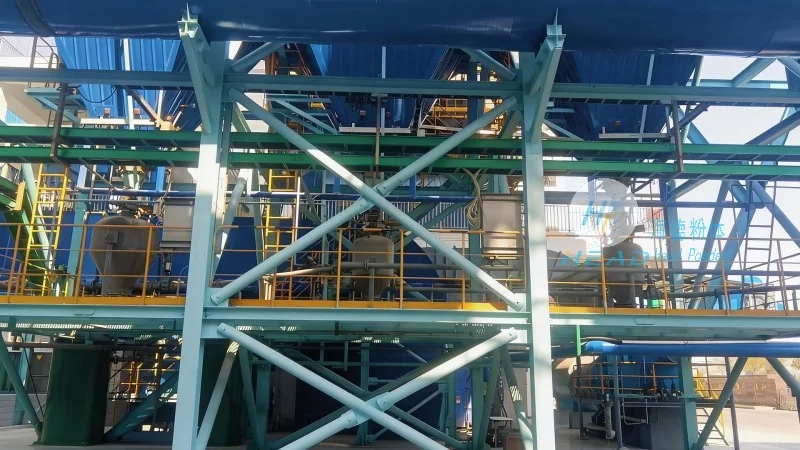
Effective material handling begins with proper storage. In a rice husk ash conveying line, hoppers and silos are used to store the ash before it is fed into the conveying system. These storage vessels are designed to minimize air exposure and prevent moisture absorption, which can affect the powder's quality. The design of the hopper's outlet and the feeder mechanism is crucial to ensure a consistent flow of material. For example, a rotary valve or a star feeder can be used to control the discharge rate, preventing overloading or underloading of the conveying equipment.
Control and Monitoring Systems
Modern rice husk ash powder conveying lines are equipped with advanced control and monitoring systems to enhance operational efficiency and safety. These systems include sensors for detecting material levels, flow rates, and pressure, as well as alarms for detecting abnormalities like blockages or overfilling. The control panel allows operators to adjust parameters such as conveyor speed, feed rate, and pressure in real-time, ensuring optimal performance. Additionally, data logging and reporting features help in tracking the system's performance over time, facilitating maintenance and troubleshooting.
Applications and Benefits of the Conveying Line
The rice husk ash powder conveying line is widely used in various industries, including construction, agriculture, and energy. In construction, the ash is often used as a supplementary cementitious material in concrete, improving its strength and durability. In agriculture, it can be used as a soil amendment, enhancing soil fertility and water retention. The energy sector also utilizes the ash as a fuel or in the production of activated carbon. The benefits of using such a conveying line include improved material handling efficiency, reduced labor costs, and enhanced product quality due to minimal handling and processing.
Conclusion
A rice husk ash powder conveying line is a sophisticated system that plays a vital role in the efficient utilization of this valuable byproduct. By understanding its design principles and components, industries can optimize their material handling processes, leading to increased productivity and reduced operational costs. As the demand for sustainable materials grows, the importance of such systems in the rice husk ash industry will continue to rise, making them an essential part of modern industrial operations.




