Understanding the ferric sulfate powder conveying line is crucial for industries that handle this chemical compound efficiently and safely. Ferric sulfate, also known as iron(III) sulfate, is a common industrial chemical used in water treatment, paper manufacturing, and other processes. The specialized conveying line is designed to manage the unique properties of this powder, ensuring reliable and low-damage transport from storage to processing units.
Introduction to Ferric Sulfate Powder Conveying Lines
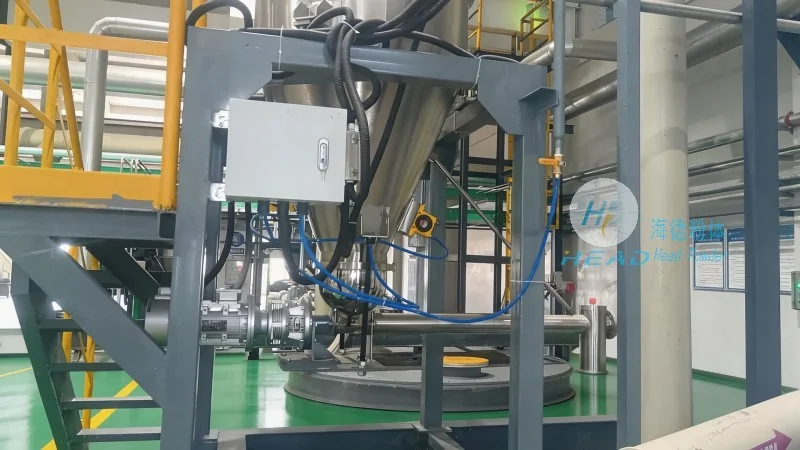
A ferric sulfate powder conveying line is a system engineered to transport ferric sulfate powder from storage silos or hoppers to processing equipment. This system typically includes components such as feeders, conveyors, and control systems, all tailored to handle the material's characteristics. The primary goal is to maintain the powder's integrity while minimizing dust generation and ensuring consistent flow rates. For industries relying on ferric sulfate, an efficient conveying line is essential for operational continuity and product quality.
Key Components of the Conveying System
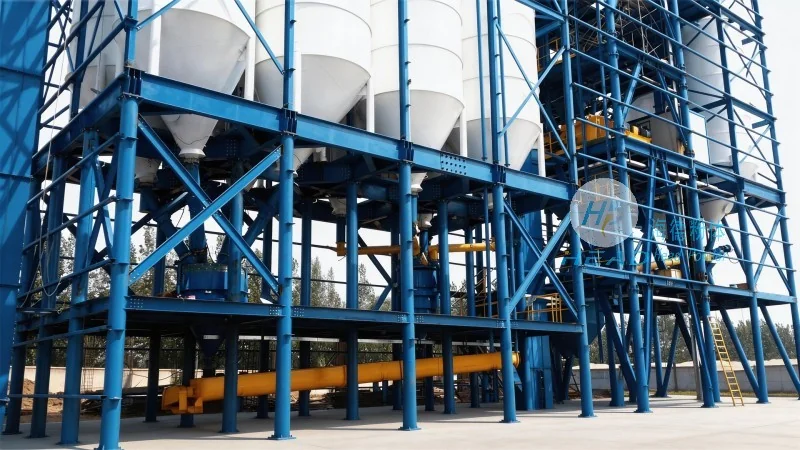
The design of a ferric sulfate powder conveying line involves several critical components that work in tandem to achieve reliable transport. The system usually starts with a storage silo or hopper, which holds the ferric sulfate powder. From there, a feeder, often a rotary or vibratory type, regulates the material flow into the conveyor. The conveyor itself can be either pneumatic (air-assisted) or mechanical (e.g., screw or belt conveyors), depending on the specific requirements of the application. Additionally, the system includes a control panel that monitors and adjusts the flow rate, pressure, and other parameters to maintain optimal performance. Each component is selected based on the powder's particle size, moisture content, and flowability, ensuring that the conveying process is both efficient and safe.
Design Principles and Considerations
The design principles for a ferric sulfate powder conveying line focus on several key factors to ensure effective operation. First, the material's physical properties, such as particle size distribution, bulk density, and angle of repose, are critical. These properties determine the type of feeder and conveyor that will best handle the powder without causing blockages or excessive wear. Second, the system must address dust control, as ferric sulfate is a fine powder that can create health and safety hazards if not properly contained. This is typically achieved through enclosed systems, dust collection units, and proper ventilation. Third, the design considers the required throughput and the distance the material needs to travel, as these factors influence the choice of conveyor speed and power. Finally, the system is designed for easy maintenance and cleaning, as ferric sulfate can adhere to surfaces and require regular upkeep. By addressing these factors, the conveying line is optimized for both performance and longevity.
HeadPowder Engineering's Expertise in Ferric Sulfate Conveying Solutions
Shandong HeadPowder Engineering Co., Ltd., a leading provider of powder handling solutions, specializes in designing and manufacturing ferric sulfate powder conveying lines tailored to the needs of various industries. With years of experience in the field, HeadPowder understands the unique challenges associated with handling ferric sulfate and has developed advanced systems that meet the highest standards of efficiency and safety. The company's team of engineers leverages cutting-edge technology and industry best practices to create customized solutions that enhance productivity and reduce operational costs. Whether for water treatment plants, paper mills, or other industrial applications, HeadPowder's ferric sulfate conveying lines are built to deliver reliable performance and long-term value. The company's commitment to quality and customer satisfaction has made it a trusted partner for businesses seeking to optimize their powder handling processes.
Applications and Benefits of Ferric Sulfate Powder Conveying Lines
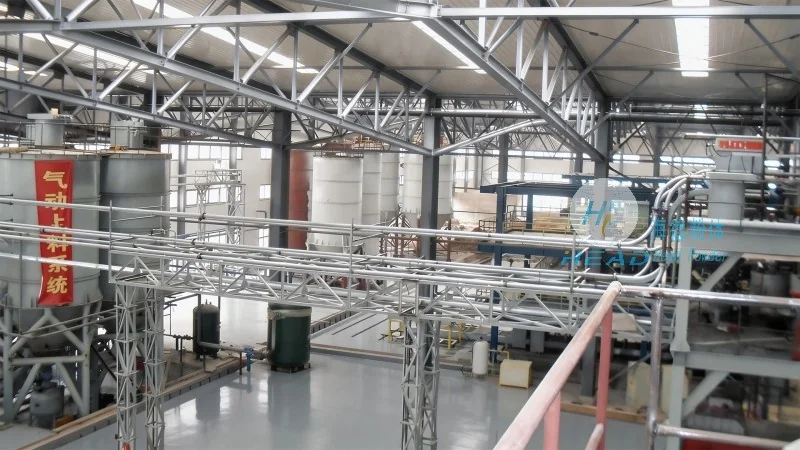
Ferric sulfate powder conveying lines are widely used in industries where ferric sulfate is a key component. In water treatment, for example, the conveying line ensures a consistent supply of ferric sulfate to coagulation and flocculation units, improving water purification efficiency. In the paper industry, the powder is used as a filler or pigment, and the conveying line delivers it to the papermaking process without compromising quality. The benefits of using a specialized conveying line include reduced downtime due to blockages, lower maintenance costs, and improved worker safety through dust control. Additionally, the system's ability to maintain the powder's integrity ensures that the final product meets the required specifications. For businesses in these industries, investing in a high-quality ferric sulfate conveying line is a strategic decision that enhances operational efficiency and product quality.
Conclusion: The Importance of Proper Design and Implementation
In conclusion, a ferric sulfate powder conveying line is a critical component of any industrial process that handles this chemical compound. The design principles and components of the system are carefully selected to address the unique properties of ferric sulfate, ensuring reliable and safe transport. Companies like Shandong HeadPowder Engineering Co., Ltd. play a vital role in providing these specialized solutions, leveraging their expertise to meet the diverse needs of various industries. By understanding the importance of proper design and implementation, businesses can optimize their operations, reduce costs, and improve overall productivity. The ferric sulfate powder conveying line is not just a piece of equipment but a key element in achieving efficient and sustainable industrial processes.




