Understanding the synthetic rubber powder conveying line is crucial for industries dealing with rubber powder handling. This equipment is specifically designed to transport synthetic rubber powder efficiently and safely, playing a vital role in various production processes. The design principles behind such lines are centered on ensuring optimal performance, reliability, and adherence to safety standards.
Design Principles of Synthetic Rubber Powder Conveying Lines
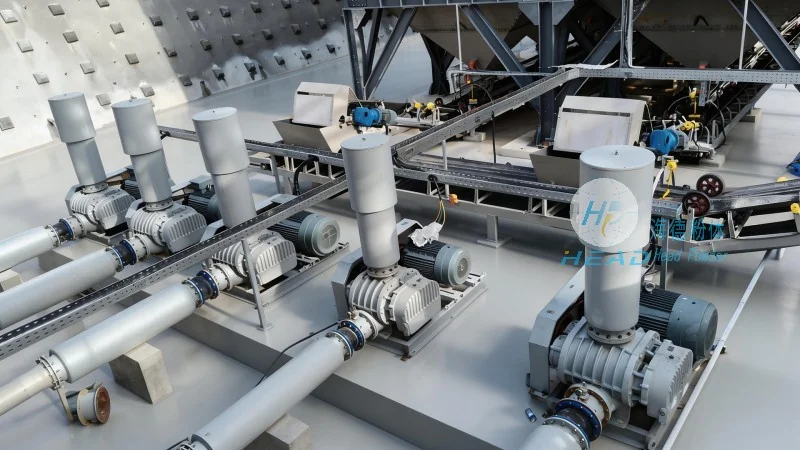
The design of a synthetic rubber powder conveying line is based on several key principles that ensure its effectiveness in transporting rubber powder. First, the system must maintain a consistent flow rate to prevent material buildup or blockages. This is achieved through the use of appropriate conveyor types, such as screw conveyors or pneumatic systems, which are selected based on the specific characteristics of the rubber powder—like its density, moisture content, and particle size. Second, the design emphasizes material compatibility. Since synthetic rubber powder can be abrasive or corrosive in some cases, the conveying components, including hoppers, pipelines, and valves, are made from materials like stainless steel or specialized polymers to withstand wear and chemical exposure. Third, energy efficiency is a critical design consideration. Modern conveying lines incorporate energy-saving mechanisms, such as variable speed drives and optimized airflow, to reduce operational costs while maintaining performance. Additionally, safety is paramount; the design includes features like dust suppression systems and emergency shut-off valves to protect operators and the environment from potential hazards.
Key Components and Their Functions
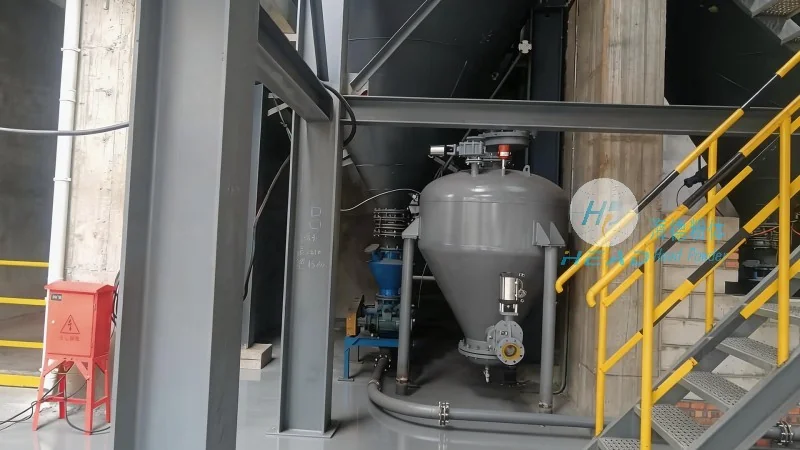
A synthetic rubber powder conveying line consists of several interconnected components, each playing a specific role in the overall operation. The primary components include the hopper, which serves as the storage and feeding unit, the conveyor itself (either mechanical or pneumatic), the control system, and the discharge mechanism. The hopper is typically designed with a sloped bottom to facilitate smooth material flow into the conveyor. It may also feature a vibratory feeder to ensure a consistent feed rate, preventing overloading or underloading of the conveyor. The conveyor system, which can be a screw conveyor for solid material transport or a pneumatic conveyor for air-assisted transport, moves the rubber powder from the hopper to the destination. The control system monitors and regulates the flow, speed, and pressure within the line, ensuring that the operation runs smoothly and safely. The discharge mechanism, such as a rotary valve or a gate valve, controls the release of the rubber powder at the end of the line, directing it to the next processing stage or storage area. Each component is carefully selected and integrated to work in harmony, maximizing the efficiency and reliability of the conveying process.
Application Scenarios and Benefits
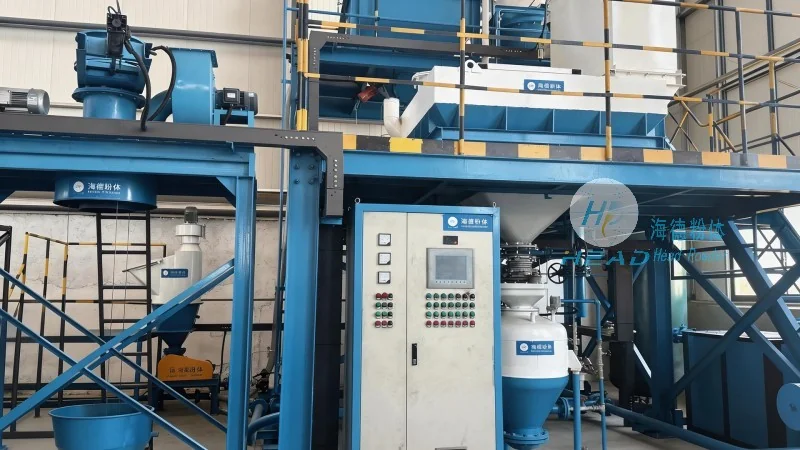
Synthetic rubber powder conveying lines are widely used in various industries, including rubber manufacturing, tire production, and plastic processing. In the rubber industry, these lines are essential for transporting raw rubber powder to mixing and compounding equipment, ensuring a steady supply of material for production. The benefits of using such a system include improved productivity, reduced labor costs, and enhanced safety. By automating the material handling process, the line minimizes the risk of human error and exposure to hazardous materials. Additionally, the consistent flow of rubber powder leads to more uniform product quality, as the material is delivered in a controlled manner to the processing equipment. The design of the conveying line also allows for easy integration with other production systems, such as mixing plants or extrusion lines, creating a seamless workflow. Furthermore, the use of advanced materials and design features in the conveying line contributes to longer equipment life and lower maintenance costs, making it a cost-effective solution for rubber powder handling.
Conclusion and Company Information
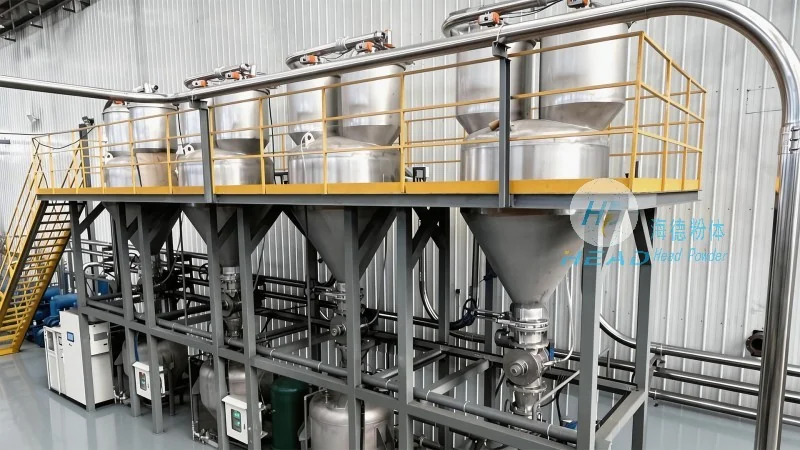
In conclusion, a synthetic rubber powder conveying line is a sophisticated piece of equipment designed to efficiently transport synthetic rubber powder while adhering to strict design principles. The key components and their functions work together to ensure reliable and safe operation, making it an indispensable tool in the rubber and related industries. Shandong HeadPowder Engineering Co., Ltd., a leading manufacturer based in China, specializes in the design and production of such conveying systems. With a focus on quality and innovation, the company provides tailored solutions to meet the specific needs of its clients, ensuring optimal performance and durability. The company’s headquarters is located in Shandong, China, where it continues to advance its technology and expand its services to support the growing demands of the industry.




