

What is Mica Powder Pneumatic Conveying? And What Are Its Design Principles?
Mica powder, a widely used industrial material known for its unique properties such as high thermal stability and electrical insulation, often requires efficient and reliable transport methods for processing and distribution. Pneumatic conveying, a technology that uses air or other gases to move bulk materials through a pipeline system, has become a preferred solution for handling mica powder due to its ability to minimize dust exposure and maintain material integrity. This article explores the fundamentals of mica powder pneumatic conveying and the core design principles that ensure effective operation.
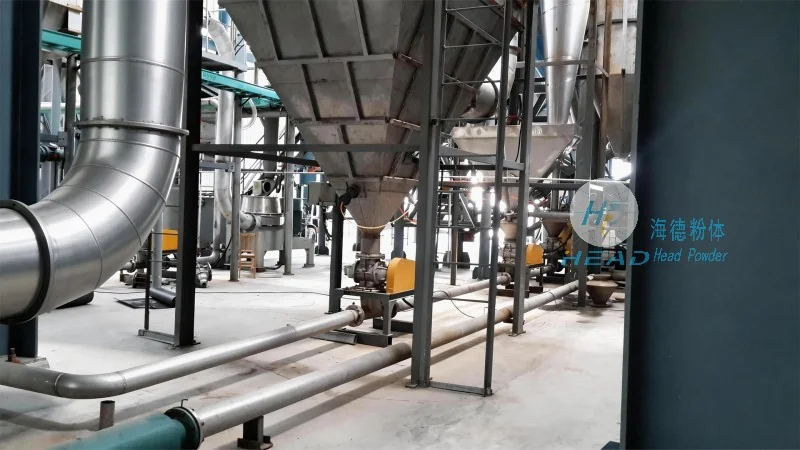
Understanding Pneumatic Conveying Technology
At its core, pneumatic conveying systems operate by creating a pressure differential that propels the material through a sealed pipeline. There are two primary types of pneumatic conveying: dilute phase and dense phase. Dilute phase systems, which are commonly used for mica powder due to its light weight and low abrasiveness, rely on high-velocity air to suspend the particles and transport them over longer distances. Dense phase systems, on the other hand, use lower air velocities and higher material concentrations, making them suitable for handling more abrasive or sensitive materials. For mica powder, dilute phase systems are typically more effective as they reduce the risk of particle degradation and equipment wear.
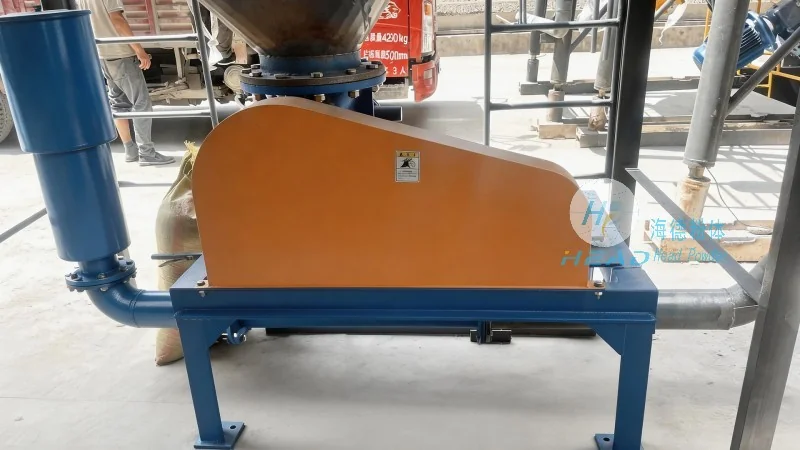
Design Principles for Mica Powder Handling
The design of a mica powder pneumatic conveying system involves several critical principles to ensure optimal performance and efficiency. First, the system must be designed to handle the specific physical properties of mica powder, including its particle size distribution, density, and flow characteristics. Mica powder often consists of fine particles that can easily agglomerate, so the system must incorporate features to prevent blockages and maintain consistent flow. Second, the system must minimize dust generation and exposure, as mica powder can be a respiratory hazard if not properly contained. This is achieved through the use of sealed pipelines, appropriate air filtration, and dust collection systems. Third, the system must be energy-efficient, as pneumatic conveying can be a significant energy consumer. This is addressed through the selection of appropriate air compressors, pipeline diameters, and flow rates.
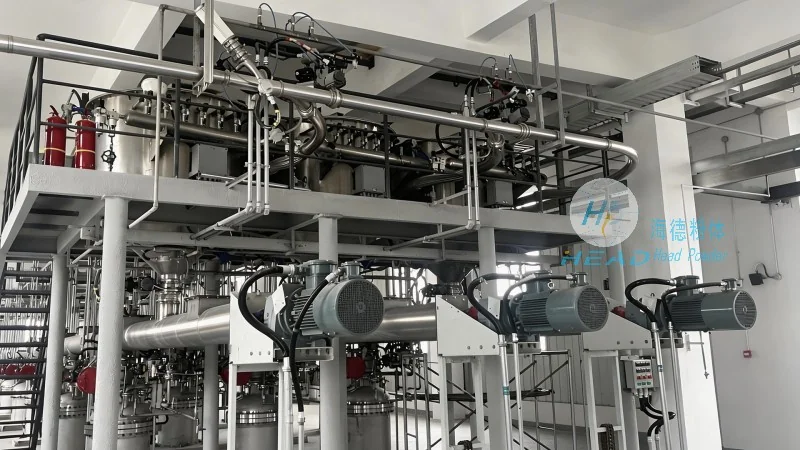
Key Components and Their Functions
A typical mica powder pneumatic conveying system includes several key components that work together to ensure smooth operation. The primary components are the material feed hopper, which holds the mica powder and feeds it into the system; the air compressor, which generates the necessary air pressure to move the material; the pipeline system, which transports the material from the feed point to the discharge point; and the receiver or silo, which stores the conveyed material. The material feed hopper is equipped with a rotary valve or feeder to control the flow rate and prevent material buildup. The air compressor is selected based on the required pressure and flow rate, and it must be capable of handling the specific characteristics of mica powder without causing excessive wear. The pipeline system is typically made of stainless steel or other corrosion-resistant materials to prevent contamination and ensure durability. The receiver or silo is designed to collect the conveyed material and maintain its quality.
Application Considerations for Mica Powder Transport
When designing a mica powder pneumatic conveying system, several application-specific considerations must be taken into account. The first consideration is the distance and elevation change between the feed and discharge points, as these factors affect the required air pressure and flow rate. Longer distances or higher elevations may require additional air compressors or larger pipeline diameters to maintain material transport. The second consideration is the handling environment, such as whether the system will be used in an indoor or outdoor setting, and whether it will be exposed to moisture or other contaminants. The third consideration is the downstream processing requirements, as the conveyed mica powder may need to be further processed or mixed with other materials. These factors all influence the design and selection of components to ensure the system meets the specific needs of the application.
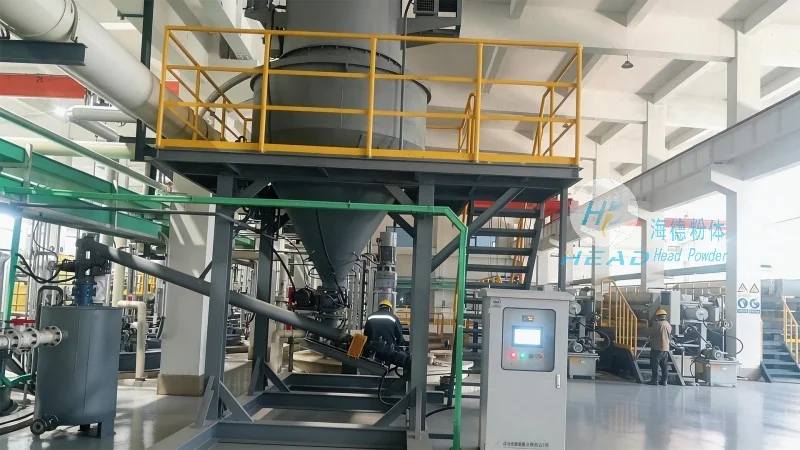
Conclusion and Company Overview
Efficient mica powder pneumatic conveying is essential for industries that rely on this material for various applications, including electrical insulation, cosmetics, and construction. The design principles and components discussed in this article are critical to ensuring that mica powder is transported safely, efficiently, and with minimal degradation. Shandong HeadPowder Engineering Co., Ltd., a leading provider of industrial material handling solutions, specializes in designing and manufacturing pneumatic conveying systems tailored to the unique needs of mica powder and other bulk materials. With a focus on quality, reliability, and customer satisfaction, HeadPowder has established itself as a trusted partner for companies seeking to optimize their material transport processes. Based in Shandong, China, HeadPowder leverages its expertise and experience to deliver innovative solutions that meet the highest standards of performance and safety.