

Operation Process and Working Principle of Carbon Fiber Pneumatic Conveying
Carbon fiber is a high-performance material widely used in various industrial applications due to its exceptional strength-to-weight ratio and excellent thermal and chemical resistance. Pneumatic conveying systems are an efficient method for transporting carbon fiber powders and fibers, ensuring minimal contamination and damage during handling. This article provides an in-depth look at the operation process and working principles of carbon fiber pneumatic conveying systems, highlighting key components, operational mechanisms, and practical considerations for effective material handling.
Understanding the Working Principle of Pneumatic Conveying
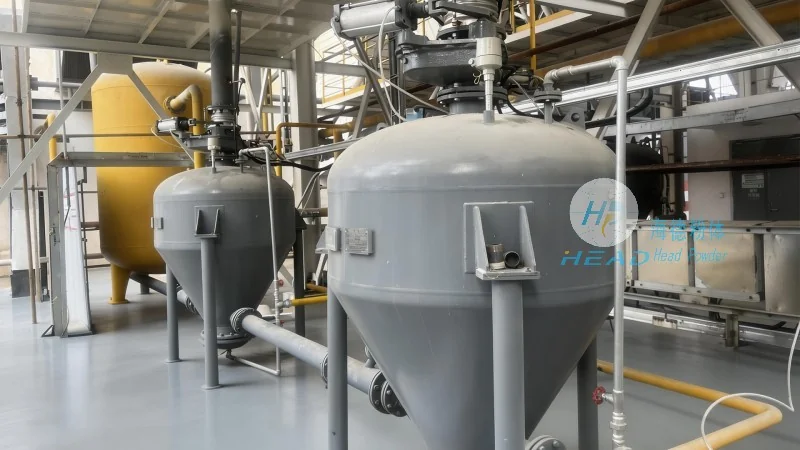
The core principle of pneumatic conveying is the use of compressed air to transport bulk materials through a pipeline. In carbon fiber applications, this method is particularly advantageous as it prevents the abrasive wear on equipment and maintains the integrity of the delicate fibers. The system typically consists of a feeding device, a conveying line, a separation unit, and a discharge outlet. The process begins when carbon fiber material is fed into the system, often via a hopper or a rotary valve, which controls the flow rate. Compressed air is then introduced into the pipeline, creating a pressure differential that propels the material forward. The air velocity and pressure are critical parameters that determine the conveying efficiency and material quality. Proper design ensures that the air velocity remains above the minimum fluidization velocity to prevent material settling and blockages.
Key Components and Their Functions in Carbon Fiber Pneumatic Conveying
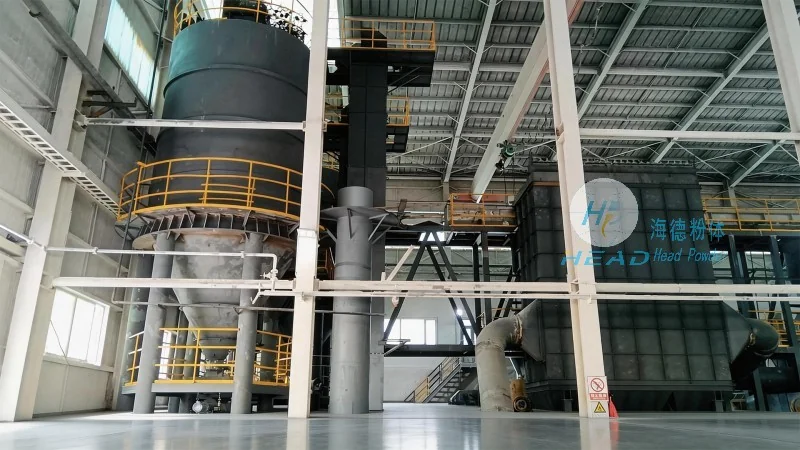
Several key components work together to ensure the smooth operation of a carbon fiber pneumatic conveying system. The feeding device is responsible for introducing the material into the system at a controlled rate. For carbon fiber, which can be abrasive, a robust hopper with a smooth interior and a rotary valve is commonly used to prevent material buildup and ensure consistent feeding. The conveying line is typically made of materials like stainless steel or PTFE-coated pipes to minimize friction and prevent fiber damage. The line diameter and length are carefully selected based on the material's properties and the required conveying distance. The separation unit, often a cyclone or a bag filter, is used to separate the carbon fiber from the air stream at the end of the line. This unit is crucial for maintaining material purity and preventing dust emissions. Finally, the discharge outlet allows the material to be deposited into a storage bin or processing equipment. Each component must be designed and maintained to handle the specific characteristics of carbon fiber, such as its low bulk density and high abrasiveness.
Operation Process of Carbon Fiber Pneumatic Conveying
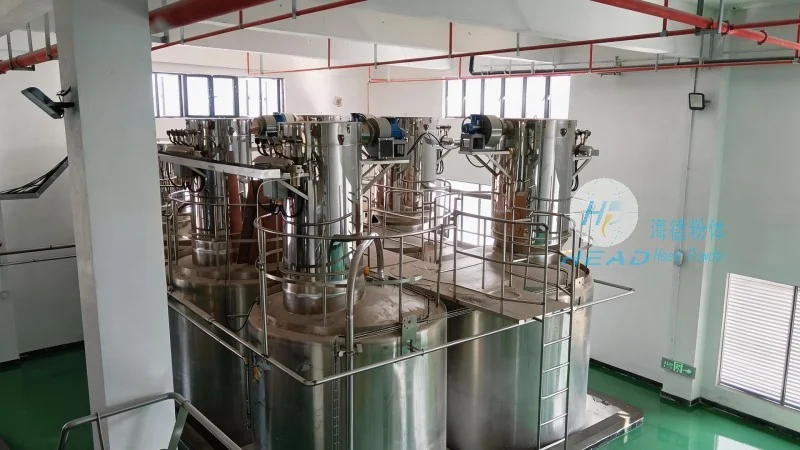
The operation process of a carbon fiber pneumatic conveying system involves several sequential steps that ensure efficient material transport. First, the system is prepared by checking the air pressure and flow rate settings. The feeding device is then activated to introduce the carbon fiber material into the pipeline. As the material enters the conveying line, the compressed air propels it forward, maintaining a consistent velocity to avoid blockages. The air and material mixture travels through the pipeline until it reaches the separation unit. Here, the air is separated from the carbon fiber, which is then collected in a collection bin. The air, now clean, is either vented to the atmosphere or recirculated back into the system, depending on the design. The entire process is monitored by sensors that track pressure, flow rate, and material level, ensuring that any deviations are immediately detected and corrected. Regular maintenance, such as cleaning the separation unit and checking for wear on the conveying line, is essential to maintain the system's performance and extend its lifespan.
Practical Considerations for Effective Carbon Fiber Pneumatic Conveying
Implementing an effective carbon fiber pneumatic conveying system requires careful consideration of several practical factors. The first is the material properties of carbon fiber, which include its low bulk density, high specific surface area, and abrasive nature. These properties affect the air velocity and pressure required for conveying, as well as the wear on system components. For example, a higher air velocity may be needed to prevent material settling, but it can also increase energy consumption and wear on the conveying line. The system design must be tailored to the specific application, considering the conveying distance, elevation changes, and required material flow rate. Proper sizing of the conveying line and air compressor is critical to avoid energy waste or system overload. Additionally, maintenance and safety are paramount. Regular inspection of the feeding device, separation unit, and conveying line for wear and damage is necessary to prevent system failures. Safety measures, such as dust collection systems and pressure relief valves, must be in place to protect operators and the environment. By addressing these practical considerations, manufacturers can ensure the reliable and efficient operation of carbon fiber pneumatic conveying systems.
About Shandong HeadPowder Engineering Co., Ltd.
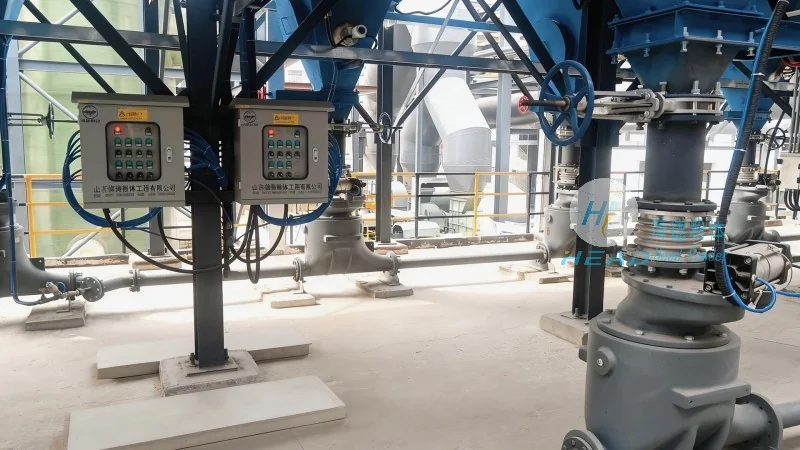
Shandong HeadPowder Engineering Co., Ltd., operating under the brand name headpowder, is a leading provider of advanced material handling solutions, including carbon fiber pneumatic conveying systems. With a focus on innovation and quality, the company specializes in designing and manufacturing systems tailored to the unique needs of the carbon fiber industry. Headpowder's expertise lies in understanding the challenges of handling carbon fiber, such as its abrasive nature and low bulk density, and developing solutions that address these challenges effectively. The company's products are known for their durability, efficiency, and reliability, making them a trusted choice for manufacturers in the aerospace, automotive, and sports equipment industries. Headpowder's commitment to customer satisfaction and technical excellence has established it as a key player in the material handling sector, serving clients both domestically and internationally. With a strong presence in China, particularly in Shandong province, the company leverages its local expertise and resources to deliver high-quality solutions that meet the evolving demands of the industry.