Compound fertilizer pneumatic conveying systems are critical components in modern agricultural and industrial operations, designed to efficiently transport granular or powdered fertilizers from storage to processing or application areas. The technology leverages air pressure to move materials, offering advantages such as reduced labor costs, minimized material degradation, and enhanced safety compared to traditional mechanical methods. This article explores the operational process and underlying principles of these systems, highlighting their importance in optimizing fertilizer handling and distribution.
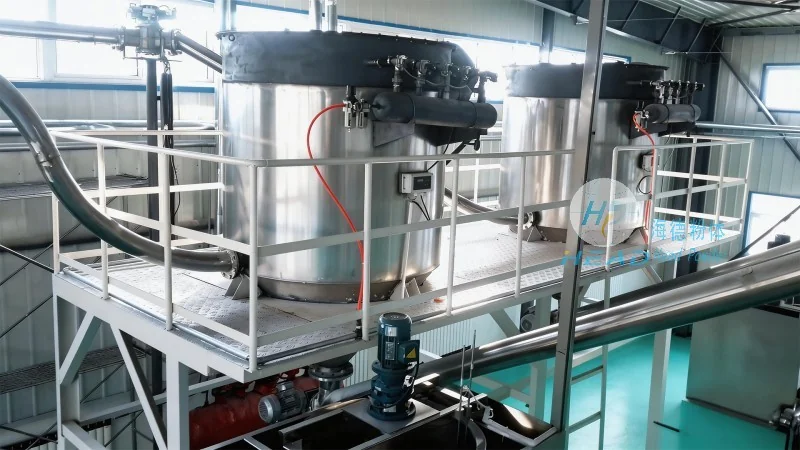
Key Components of Pneumatic Conveying Systems
At the core of any pneumatic conveying system are several essential components that work in tandem to ensure smooth material transport. These include a material hopper or storage silo, a conveying line (typically made of metal or flexible tubing), a blower or air compressor to generate the necessary air pressure, and a receiver or discharge hopper where the fertilizer is deposited. Additionally, systems may incorporate filters, cyclones, and control valves to regulate air flow, prevent dust accumulation, and manage the conveying pressure. The design of these components is tailored to the specific characteristics of the compound fertilizer, such as particle size, moisture content, and bulk density, ensuring optimal performance.
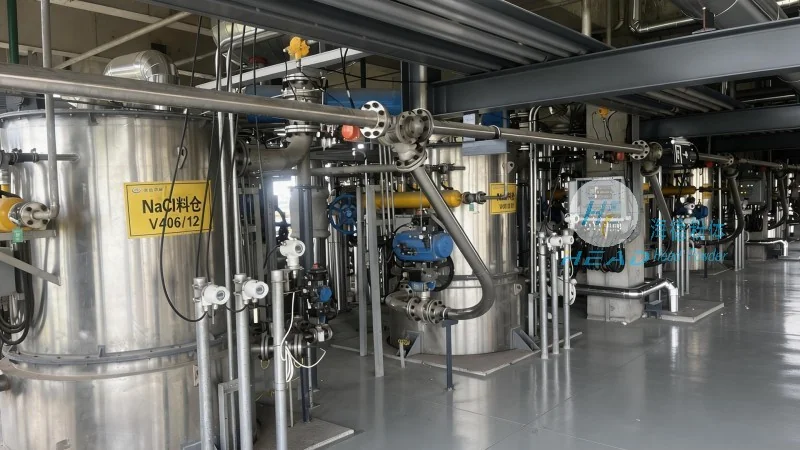
The Operation Process of Compound Fertilizer Pneumatic Conveying
The operation of a compound fertilizer pneumatic conveying system typically follows a sequential process. First, the fertilizer is fed from the storage hopper into the conveying line via a feeder mechanism, such as a rotary valve or screw conveyor. Simultaneously, the blower generates a high-pressure air stream that flows through the conveying line, creating a vacuum or positive pressure environment. As the air and fertilizer mixture moves through the line, the air velocity is sufficient to suspend the fertilizer particles, allowing them to be transported to the discharge point. The system may include intermediate points, such as bends or expansion chambers, which are designed to maintain the air-fertilizer mixture's stability and prevent particle separation or blockages. Finally, the fertilizer is deposited into the receiver hopper, where it is collected for further processing or distribution.
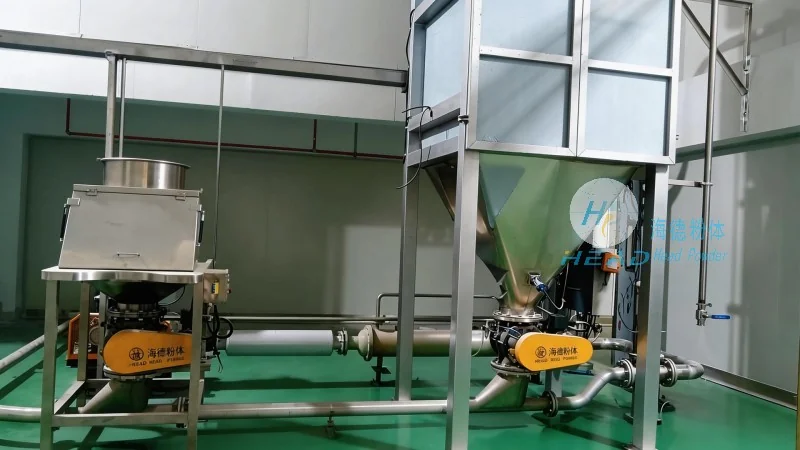
Working Principle: Air Flow and Material Suspension
The fundamental working principle of pneumatic conveying relies on the interaction between air flow and the fertilizer particles. When air is forced through the conveying line at a velocity exceeding the material's terminal velocity, the particles are suspended in the air stream. This suspension is achieved by maintaining a consistent air velocity throughout the system, which is influenced by factors like the conveying line diameter, material properties, and system pressure. The blower's capacity and the system's design are critical in ensuring that the air flow is sufficient to keep the fertilizer particles airborne without causing excessive wear on the equipment or energy consumption. Properly designed systems balance the air flow rate with the material feed rate to achieve efficient and continuous conveying, minimizing downtime and operational costs.
Advantages and Applications in Fertilizer Handling
Pneumatic conveying systems offer several advantages in the handling of compound fertilizers. These include the ability to transport materials over long distances with minimal loss, reduced exposure to dust and contaminants, and improved safety for operators. The technology is particularly suitable for applications where traditional mechanical conveyors may be impractical, such as in facilities with limited space or where the fertilizer is sensitive to moisture or temperature changes. Companies like Shandong HeadPowder Engineering Co., Ltd. specialize in designing and manufacturing customized pneumatic conveying solutions tailored to the specific needs of fertilizer producers and distributors, ensuring that their systems meet industry standards and operational requirements.
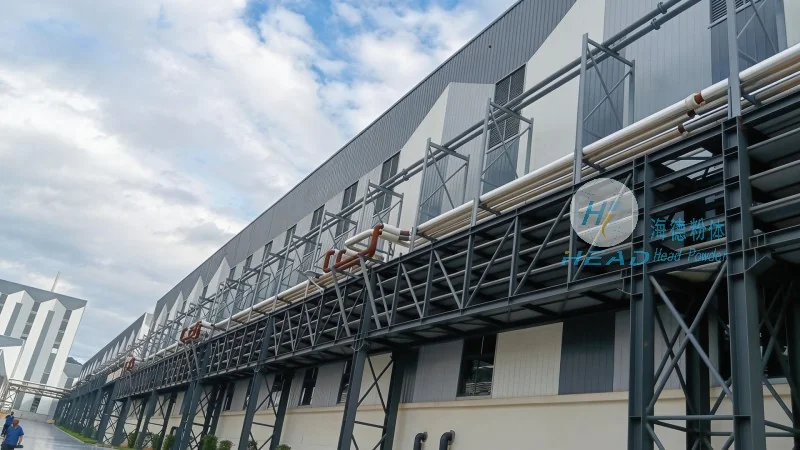
Conclusion and Future Developments
In conclusion, compound fertilizer pneumatic conveying systems represent a sophisticated and efficient method for handling and transporting fertilizers. By understanding the operational process and working principles, users can optimize system performance, reduce operational costs, and enhance overall productivity. As technology advances, future developments may focus on improving energy efficiency, enhancing material handling capabilities for diverse fertilizer types, and integrating advanced control systems to further streamline operations. The continued evolution of pneumatic conveying technology will play a vital role in supporting the agricultural industry's needs for reliable and efficient fertilizer distribution.




