HeadPowder, a leading provider in the field of material handling solutions, specializes in advanced pneumatic conveying systems designed for the efficient transport of lithium cobalt oxide (LCO), a critical component in lithium-ion battery manufacturing. This article delves into the operational processes and underlying principles of such systems, highlighting the technical aspects that ensure optimal performance and reliability.
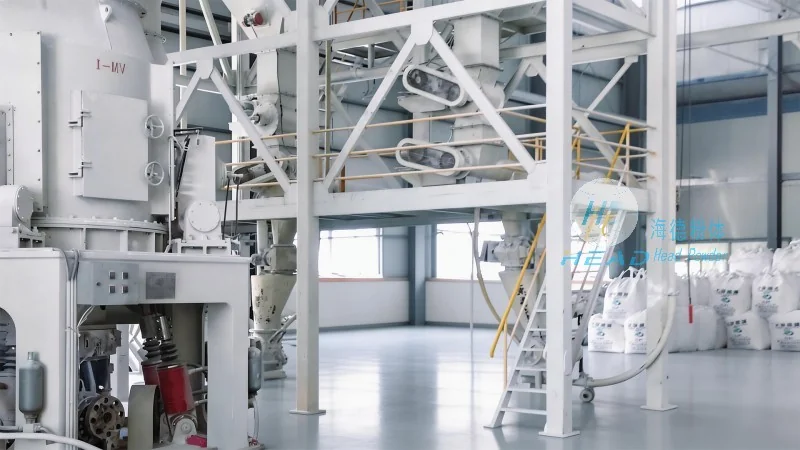
Company Profile: Shandong HeadPowder Engineering Co., Ltd.
HeadPowder, with its headquarters located in Shandong, China, is dedicated to delivering high-quality engineering solutions for industrial material handling. The company's expertise lies in the design, manufacturing, and implementation of pneumatic conveying systems tailored to meet the specific needs of clients in the battery and chemical industries. By leveraging cutting-edge technology and a deep understanding of material properties, HeadPowder ensures that its systems operate with maximum efficiency and minimal downtime.
Introduction to Lithium Cobalt Oxide Pneumatic Conveying
Lithium cobalt oxide (LCO) is a vital cathode material used in lithium-ion batteries, known for its high energy density and stable performance. The efficient and safe transport of LCO powder is essential to maintain the quality and integrity of the material during processing. Pneumatic conveying systems offer a non-contact, dust-free method for moving LCO, which is particularly important given the material's sensitivity to moisture and contamination. These systems are designed to handle fine powders while minimizing particle degradation and ensuring consistent flow rates.
Working Principle of Pneumatic Conveying Systems
The core of a pneumatic conveying system is the creation of a flow of air or gas that transports the material through a pipeline. The system typically consists of a hopper for material storage, a feeder to control the flow rate, a conveying line, and a receiver for the material at the destination. The working principle involves generating sufficient air velocity to overcome the gravitational and frictional forces acting on the powder particles. This is achieved by using a positive displacement blower or a high-pressure compressor, which supplies the necessary air pressure and volume. The air and powder mixture travels through the pipeline, with the air velocity maintaining the particles in suspension and preventing them from settling or clogging the system.
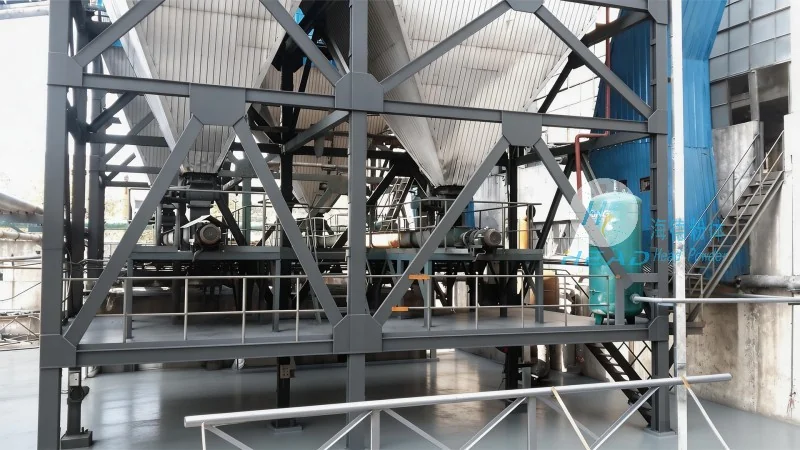
Key Components and Their Functions
Several critical components work together to ensure the smooth operation of a LCO pneumatic conveying system. The hopper serves as the initial storage vessel, equipped with a discharge valve to control the material release. The feeder, often a rotary valve or a vibratory feeder, regulates the flow rate of LCO into the conveying line, preventing overloading and ensuring consistent material feed. The conveying line itself is made of materials resistant to corrosion and wear, such as stainless steel or special polymers, to accommodate the abrasive nature of LCO particles. The receiver, typically a silo or a storage tank, collects the material at the end of the conveying process. Additionally, filters and cyclones are used to separate the air from the powder, ensuring that the material is returned to the system or disposed of safely.
Operation Process of the System
The operation of a LCO pneumatic conveying system follows a systematic sequence to ensure efficient material transport. The process begins with the loading of LCO into the hopper. The feeder then starts, releasing the material at a controlled rate into the conveying line. Simultaneously, the air blower activates, generating the necessary airflow to transport the powder. The air and powder mixture travels through the pipeline, with the air velocity maintaining the particles in suspension. At the receiving end, the mixture enters the receiver, where the air is separated from the powder using a filter or cyclone. The purified air is then discharged, while the LCO is collected in the receiver for further processing. The system continuously monitors pressure, flow rate, and other parameters to maintain optimal performance and detect any potential issues, such as blockages or pressure drops.
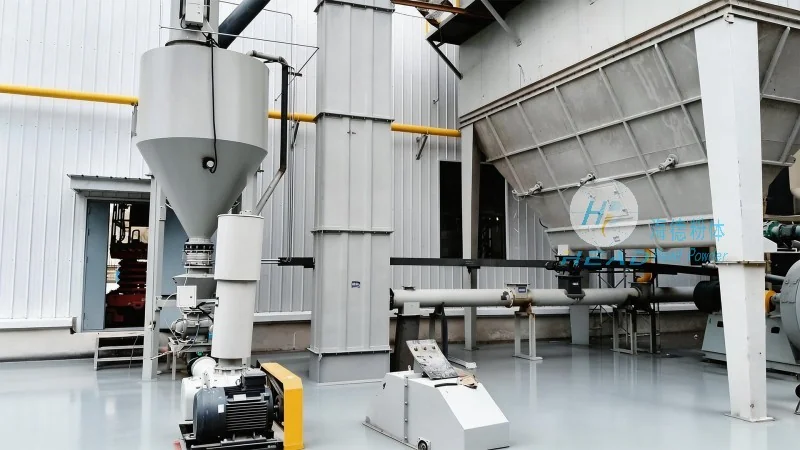
Advantages of Pneumatic Conveying for LCO Transport
Pneumatic conveying systems offer several advantages when used for transporting lithium cobalt oxide. Firstly, they provide a dust-free and enclosed environment, which is crucial for maintaining the purity of LCO and preventing contamination. This is particularly important in battery manufacturing, where even small amounts of impurities can affect the performance of the final product. Secondly, the non-contact nature of the system minimizes particle degradation, ensuring that the LCO retains its original properties and performance characteristics. Thirdly, pneumatic conveying systems are highly flexible, allowing for changes in the conveying route or capacity without major modifications to the infrastructure. Additionally, these systems can handle varying flow rates and material characteristics, making them suitable for different stages of the battery production process.
Maintenance and Operational Considerations
To ensure the long-term reliability and efficiency of a LCO pneumatic conveying system, regular maintenance is essential. This includes inspecting and cleaning the hopper, feeder, and conveying line to prevent clogging and ensure consistent material flow. The air blower and other components should be checked for wear and tear, with replacement parts readily available to minimize downtime. Additionally, the system should be equipped with monitoring devices to detect any changes in pressure or flow rate, which can indicate potential issues. Proper training of operators is also crucial to ensure that the system is operated correctly and safely. By following these maintenance and operational guidelines, HeadPowder ensures that its pneumatic conveying systems deliver consistent performance and meet the high standards required in the battery industry.
Conclusion
HeadPowder's expertise in designing and implementing pneumatic conveying systems for lithium cobalt oxide transport highlights the company's commitment to providing reliable and efficient solutions for the battery industry. By understanding the unique properties of LCO and the requirements of the manufacturing process, HeadPowder ensures that its systems operate with maximum efficiency, minimal downtime, and high material quality. The operation process and working principles of these systems are critical to maintaining the integrity of LCO and ensuring the success of lithium-ion battery production. With its headquarters in Shandong, China, HeadPowder continues to be a leader in the field of material handling solutions, delivering innovative and effective systems to meet the evolving needs of the industry.




