

The Operation Process and Working Principle of Pneumatic Conveying for Rice Grains
Shandong HeadPowder Engineering Co., Ltd., commonly known as headpowder, is a professional manufacturer and supplier specializing in pneumatic conveying systems. With a base in Shandong, China, the company has established itself as a reliable partner in the food processing industry, particularly for handling bulk materials like rice grains. The company's commitment to quality and innovation has enabled it to deliver efficient and reliable solutions tailored to the unique requirements of rice processing operations.
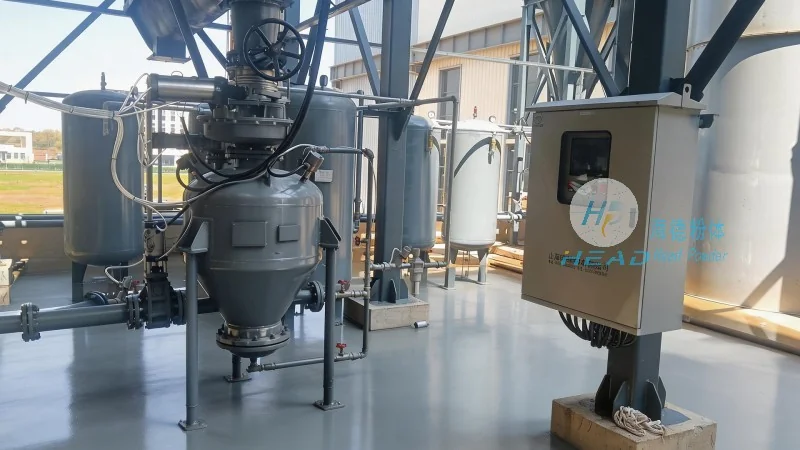
Pneumatic Conveying Systems: An Overview
Pneumatic conveying is a method of transporting bulk materials through a pipeline using air or other gases. Unlike traditional mechanical conveying systems, which rely on belts, screws, or buckets, pneumatic systems utilize the force of air to move materials, making them ideal for applications where dust control, hygiene, and flexibility are critical. For rice grain handling, this technology offers a clean and efficient way to transport raw materials from storage to processing units, ensuring minimal contamination and loss.
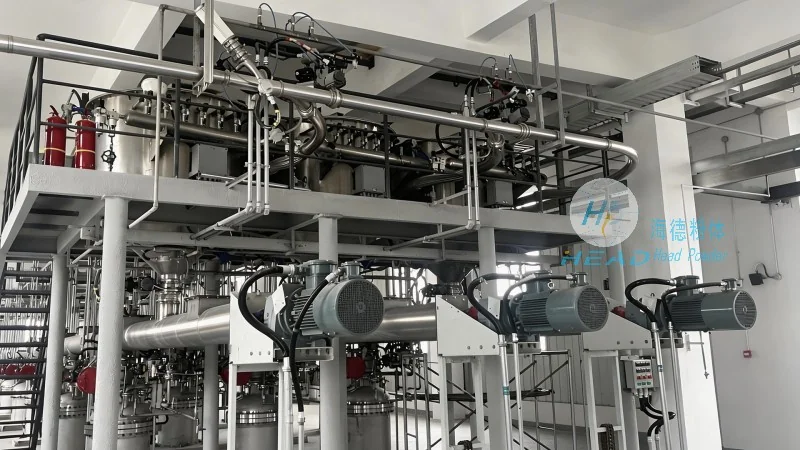
The Operation Process of Pneumatic Conveying for Rice Grains
The operation of a rice grain pneumatic conveying system involves several key steps, each designed to ensure smooth and continuous material flow. The process typically begins with the loading of rice grains into a hopper or storage silo. From there, the material is fed into the conveying line via a rotary valve or feeder, which controls the flow rate and prevents backflow. As the rice grains enter the pipeline, they are mixed with compressed air, which creates a slurry-like mixture known as a "conveying stream." The air pressure and velocity are carefully regulated to maintain the appropriate flow, ensuring that the rice grains are transported without damage or segregation. The conveying stream then travels through the pipeline to the destination point, such as a processing plant or storage silo. At the receiving end, a separator or cyclone separates the rice grains from the air, allowing the material to be discharged into a container or processing equipment. The air, now free of particles, is then filtered and returned to the system or released into the atmosphere, completing the cycle.
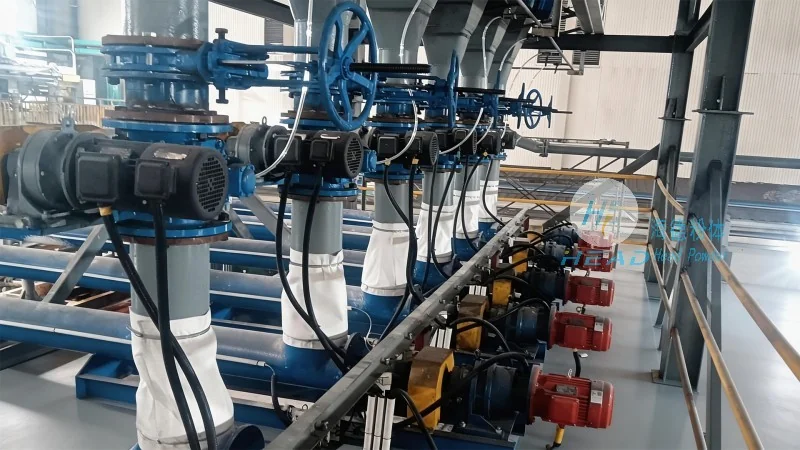
Detailed Working Principle
The working principle of a rice grain pneumatic conveying system is based on the principles of fluid dynamics and particle motion. The system operates by creating a pressure differential between the inlet and outlet of the pipeline. Compressed air is introduced at the inlet, creating a high-pressure environment that forces the rice grains to move along the pipeline. The air velocity is maintained at a level that is sufficient to keep the rice grains in suspension, preventing them from settling or sticking to the pipe walls. The conveying velocity is typically adjusted based on the size, density, and moisture content of the rice grains, as well as the diameter and length of the pipeline. The system also incorporates features such as airlocks, check valves, and pressure relief valves to ensure safe and efficient operation. These components help to prevent backflow, maintain consistent pressure, and protect the system from overpressure or underpressure conditions.
Technical Advantages
For rice grain processing, pneumatic conveying systems offer several advantages over traditional mechanical methods. One of the key benefits is the ability to maintain a clean and hygienic environment, which is essential for food processing applications. The enclosed pipeline system prevents dust and particles from escaping into the air, reducing the risk of contamination and improving workplace safety. Additionally, pneumatic systems are highly flexible, allowing for easy reconfiguration of the conveying line to accommodate changes in production needs or facility layout. The system can also handle a wide range of rice grain types, including whole grains, broken grains, and bran, without causing damage or segregation. Another advantage is the energy efficiency of the system, as compressed air can be reused and recycled, reducing operational costs. The system also provides a high degree of control over the flow rate and pressure, ensuring consistent material delivery to downstream processes.
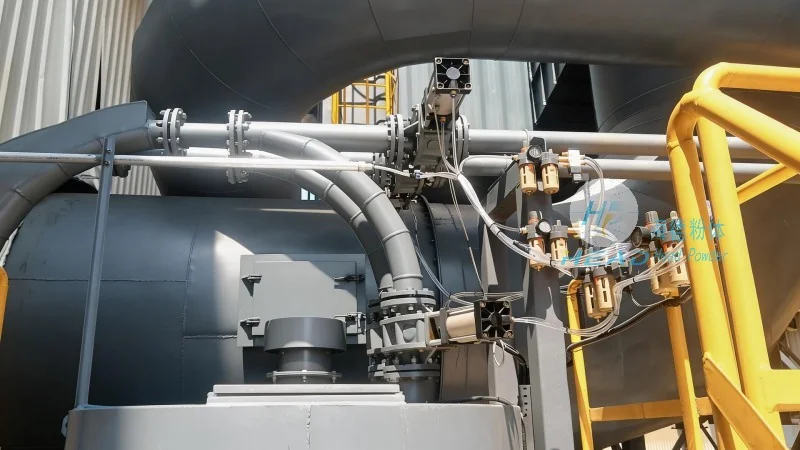
Application Scenarios
Pneumatic conveying systems for rice grains are widely used in various stages of the rice processing industry. In the initial stages, the system can be used to transport raw rice from storage silos to the milling plant, ensuring a continuous supply of material. During the milling process, the system can convey the milled rice to packaging units or storage tanks. In addition, the system can be used to transport byproducts such as bran and hulls to separate storage or disposal facilities. The flexibility of the pneumatic system allows it to be integrated into existing processing lines or used as a standalone solution for specific applications. Whether for large-scale commercial operations or smaller processing facilities, the system provides a reliable and efficient method for handling rice grains, enhancing overall production efficiency and product quality.