

Components of Mineral Particle Pneumatic Conveying
Mineral particle pneumatic conveying is a critical process in the handling and transportation of bulk materials. This technology involves the use of air or other gases to transport solid particles through a pipeline system. Understanding the components that make up such a system is essential for its efficient operation and maintenance. The following sections will explore the key elements that constitute a typical mineral particle pneumatic conveying setup.
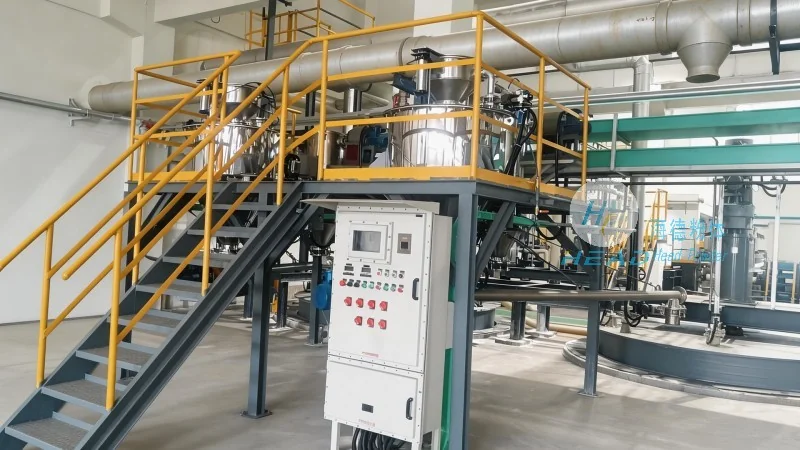
Key Components of a Pneumatic Conveying System
The core components of a mineral particle pneumatic conveying system include the material feed unit, the conveying line, the air supply system, and the control mechanisms. Each component plays a vital role in ensuring the smooth and reliable transport of mineral particles. The material feed unit is responsible for introducing the mineral particles into the system, often using a hopper or a feeder that can handle various particle sizes and flow rates. This unit must be designed to prevent blockages and ensure a consistent feed rate, which is crucial for maintaining system efficiency.
In the conveying line, the mineral particles are transported by the moving air stream. The line is typically made of metal or plastic, with appropriate fittings and valves to control the flow direction and pressure. The design of the conveying line must consider factors such as particle size, density, and the required conveying distance. Proper sizing and material selection are essential to prevent wear and tear, which can lead to system downtime and increased maintenance costs.
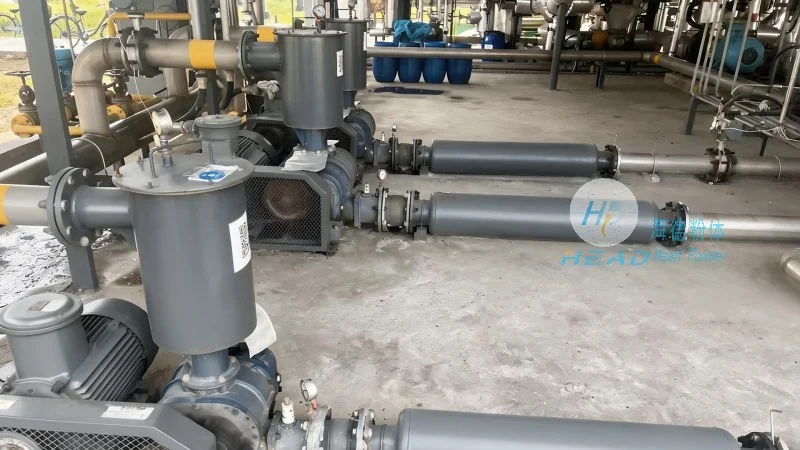
The air supply system provides the necessary pressure and volume of air to move the particles through the line. This system includes a blower or a compressor, which generates the required airflow, and a filter to remove any contaminants from the air. The air supply must be consistent and reliable to ensure continuous operation. Additionally, the system may include a pressure regulator to maintain stable pressure levels throughout the conveying process.
The control mechanisms are responsible for monitoring and regulating the operation of the pneumatic conveying system. These include sensors to measure pressure, flow rate, and particle level, as well as control valves and switches to adjust the system parameters as needed. Modern control systems often use automation and digital technology to optimize performance and reduce human intervention. This not only improves efficiency but also enhances safety by preventing overpressure or other hazardous conditions.
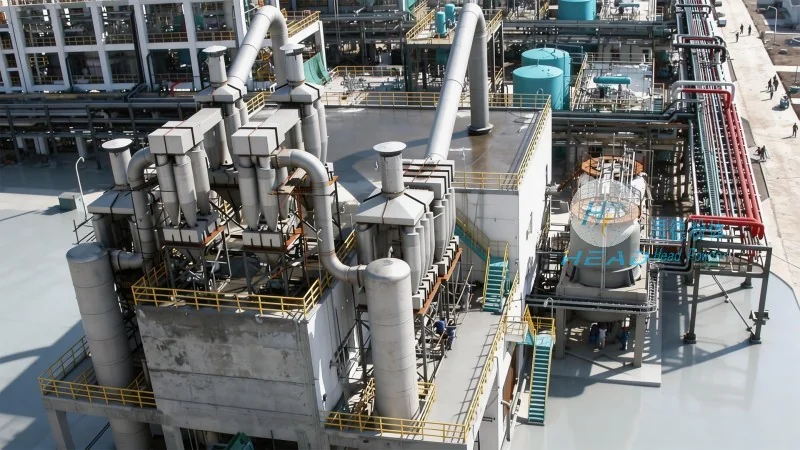
Role of the Company: Shandong HeadPowder Engineering Co., Ltd.
Shandong HeadPowder Engineering Co., Ltd., operating under the brand name headpowder, specializes in the design, manufacturing, and installation of mineral particle pneumatic conveying systems. With a strong presence in China, particularly in Shandong province, the company has built a reputation for providing high-quality and reliable solutions for various industrial applications. The company's expertise lies in understanding the unique requirements of different mineral materials and tailoring the conveying systems to meet those needs. Whether it's for transporting coal, cement, or other bulk minerals, headpowder offers customized solutions that enhance operational efficiency and reduce costs.
Headpowder's commitment to quality is evident in its use of advanced materials and manufacturing processes. The components used in their pneumatic conveying systems are designed to withstand the harsh conditions of mineral handling, ensuring long service life and minimal maintenance. The company also provides comprehensive after-sales support, including installation, commissioning, and maintenance services, to ensure that clients can maximize the performance of their systems. By leveraging its experience and technical expertise, headpowder helps industries improve their material handling processes and achieve better overall productivity.