Understanding the components of bioenzyme pneumatic conveying systems is crucial for optimizing industrial processes that involve the handling and transport of bioenzymes. This article provides a detailed overview of the key elements that constitute such systems, emphasizing the technical and functional aspects that contribute to efficient operation.
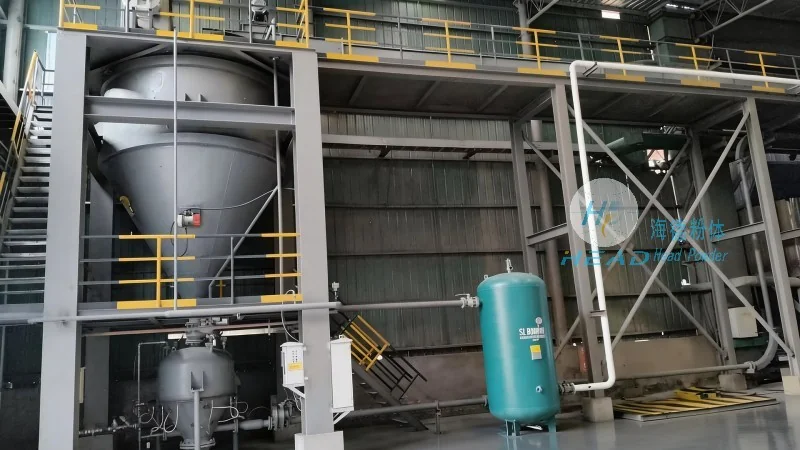
Key Components of Bioenzyme Pneumatic Conveying Systems
The bioenzyme pneumatic conveying system is a sophisticated setup designed to transport bioenzymes through a pressurized air system. The core components include the material feeding unit, the bioenzyme processing module, the pneumatic conveying pipeline, and the control system. Each component plays a vital role in ensuring the safe and efficient movement of bioenzymes from the source to the destination.
Material Feeding Unit
The material feeding unit is the initial stage of the bioenzyme pneumatic conveying system. It is responsible for introducing the bioenzyme powder or granules into the system. This unit typically consists of a hopper or a feeder that can handle various forms of bioenzymes, such as powders or pellets. The design of the feeding unit is critical to prevent blockages and ensure a consistent flow rate. For instance, the use of a rotary valve or a screw feeder can help maintain a steady supply of bioenzymes, minimizing the risk of clogging and ensuring smooth operation.
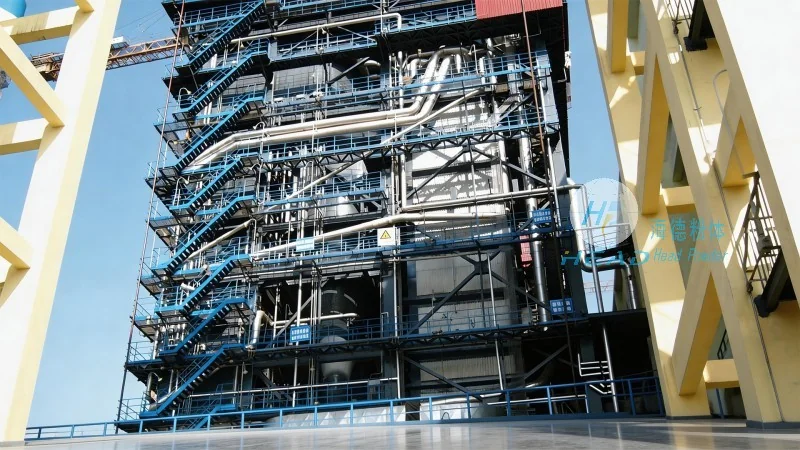
Bioenzyme Processing Module
The bioenzyme processing module is a critical component that may be integrated into the system to enhance the quality or functionality of the bioenzymes during transport. This module can include features like temperature control, moisture adjustment, or mixing mechanisms. For example, if the bioenzymes are sensitive to temperature changes, the processing module may incorporate heating or cooling elements to maintain optimal conditions. This ensures that the bioenzymes remain in their desired state throughout the conveying process, preserving their activity and effectiveness.
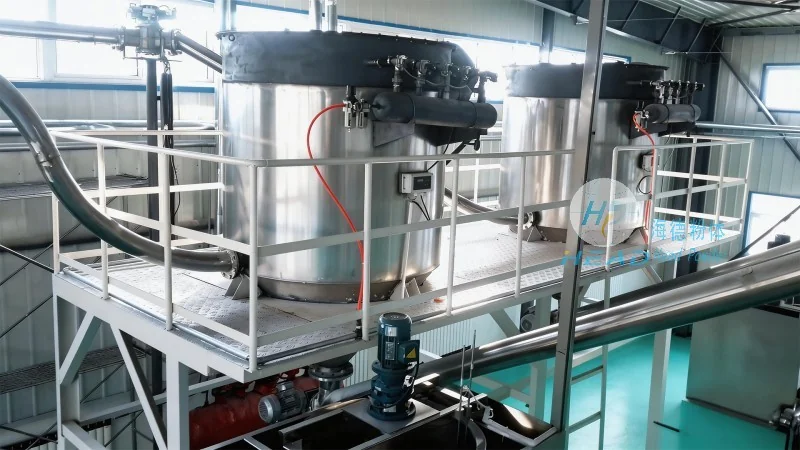
Pneumatic Conveying Pipeline
The pneumatic conveying pipeline is the backbone of the bioenzyme pneumatic conveying system. It consists of a network of pipes that transport the bioenzymes using compressed air. The pipeline is typically made of materials that are compatible with bioenzymes, such as stainless steel or food-grade plastics, to prevent contamination and ensure hygiene. The design of the pipeline, including the diameter and length, is carefully selected based on the flow rate and the characteristics of the bioenzymes being conveyed. For instance, a larger diameter pipeline may be used for high-volume transport, while a smaller diameter may be suitable for low-volume or more delicate bioenzymes.
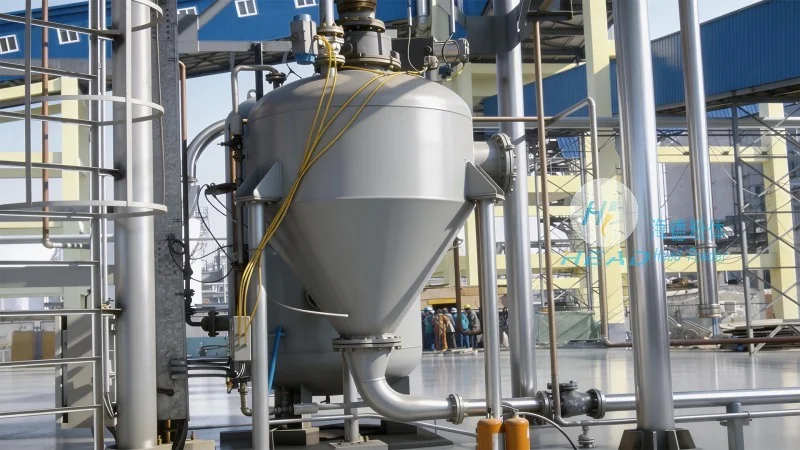
Control System
The control system is responsible for managing the operation of the bioenzyme pneumatic conveying system. It includes sensors, controllers, and actuators that monitor and regulate the flow of bioenzymes and air. The control system can be programmed to adjust the pressure, flow rate, and other parameters in real-time, ensuring optimal performance. For example, if the system detects a blockage or a change in pressure, the control system can automatically adjust the feeding rate or the air pressure to prevent further issues. This level of automation enhances the reliability and efficiency of the system, reducing downtime and maintenance costs.
Role of Shandong HeadPowder Engineering Co., Ltd.
Shandong HeadPowder Engineering Co., Ltd., a leading manufacturer in the field, specializes in designing and manufacturing bioenzyme pneumatic conveying systems tailored to the specific needs of clients. With years of experience and expertise, the company provides comprehensive solutions that incorporate all the key components discussed above. The company's commitment to quality and innovation ensures that their systems are reliable, efficient, and compliant with industry standards. By leveraging advanced technology and rigorous testing, HeadPowder delivers systems that meet the highest standards of performance and safety, making them a trusted partner for industries relying on bioenzyme transport.




