

Components of Pneumatic Conveying for Metal Iron Powder
For industrial applications involving the transportation of metal iron powder through pneumatic systems, understanding the core components is essential for efficient operation and system reliability. The process of pneumatic conveying relies on a combination of specialized equipment and engineering principles to move fine metal powders like iron powder from one location to another with precision and minimal loss.
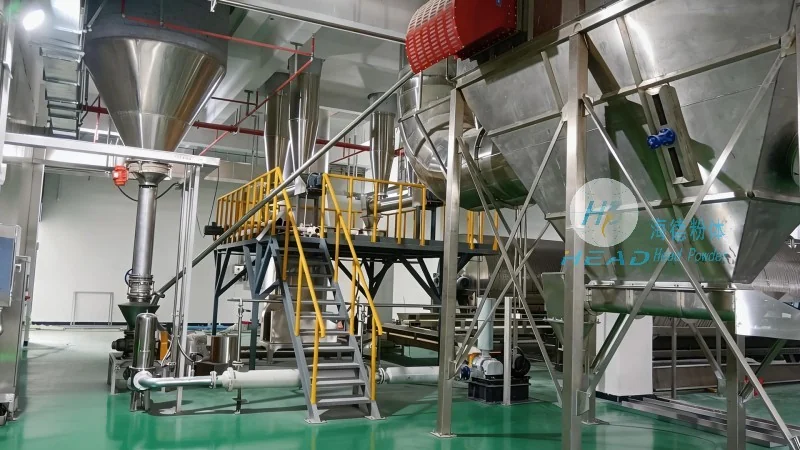
Key Components in Metal Iron Powder Pneumatic Conveying Systems
The pneumatic conveying system for metal iron powder typically consists of several critical components that work in tandem to ensure smooth material handling. These components are designed to handle the unique properties of iron powder, such as its fine particle size, density, and potential for dust generation. The primary components include the material feed system, the conveying line, the air supply system, and the control mechanisms.
Material Feed System
The material feed system is the initial stage of the pneumatic conveying process, responsible for introducing metal iron powder into the system. This component must be capable of handling the specific characteristics of iron powder, including its flowability and potential for caking or agglomeration. Common feed mechanisms include rotary valves, screw feeders, or vibratory feeders, which are designed to provide a consistent and controlled flow of material into the conveying line. The feed system is crucial as it sets the foundation for the entire conveying process, ensuring that the iron powder enters the system without blockages or uneven distribution.
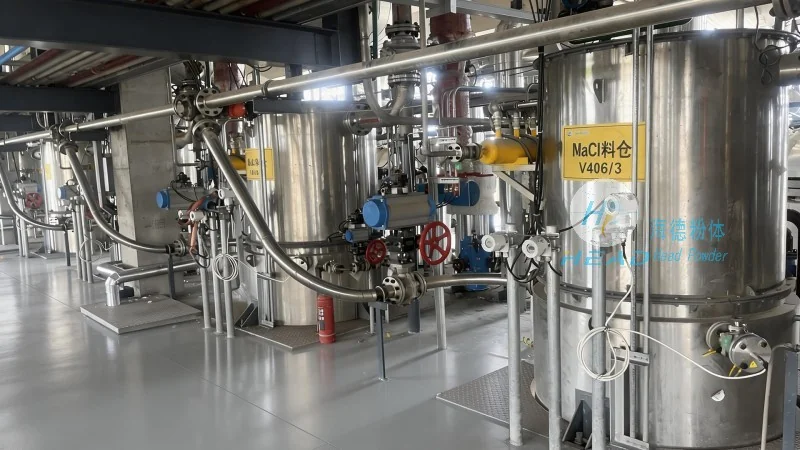
Conveying Line and Pipeline
The conveying line, often referred to as the pipeline, is the main pathway through which metal iron powder is transported. This line is typically made of materials that are resistant to corrosion and wear, such as stainless steel or high-density polyethylene, to withstand the abrasive nature of iron powder particles. The design of the pipeline, including its diameter, length, and bends, is critical for maintaining the velocity of the air and preventing particle deposition or blockages. The conveying line may include features like expansion joints or flexible connectors to accommodate thermal expansion and reduce stress on the system. Additionally, the pipeline may be equipped with filters or cyclones at strategic points to separate any entrained air or fine particles, ensuring that the iron powder reaches its destination in a clean and controlled manner.
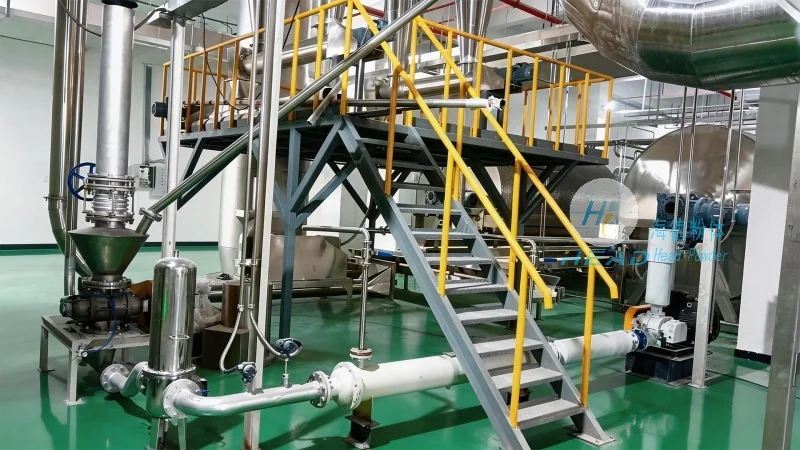
Air Supply System
The air supply system is a vital component that provides the necessary pressure and volume of air to move the metal iron powder through the conveying line. This system typically includes a blower or a compressor, which generates the airflow required to create the pressure differential needed for pneumatic conveying. The choice of air supply equipment depends on factors such as the distance of the conveying line, the volume of material to be transported, and the desired conveying velocity. The air supply system may also include air treatment components, such as filters or dryers, to ensure that the air is clean and free from contaminants that could affect the quality of the iron powder or damage the system components. Proper air filtration is essential to prevent the accumulation of dust or particles in the blower or compressor, which can lead to reduced efficiency or equipment failure.
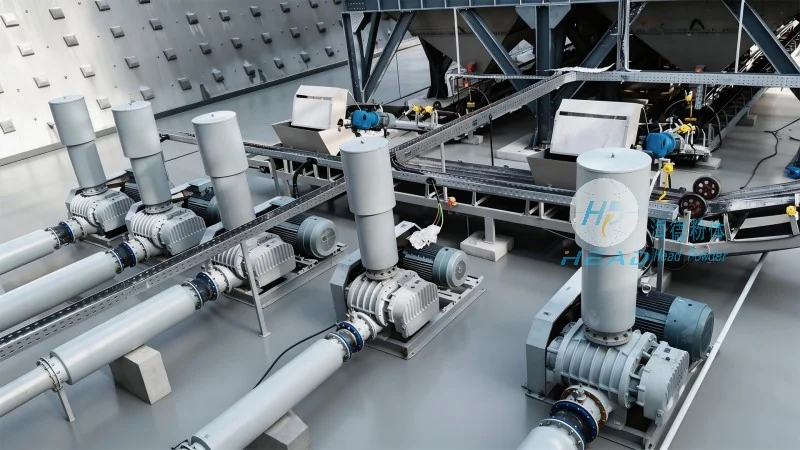
Control and Monitoring Systems
Control and monitoring systems are essential for maintaining the efficiency and safety of the metal iron powder pneumatic conveying system. These systems include sensors and controllers that monitor parameters such as pressure, flow rate, and material level in real-time. The control system adjusts the air supply and feed rate to maintain optimal operating conditions, preventing overloading or under-conveying of the material. Additionally, safety features like pressure relief valves and emergency shut-off mechanisms are integrated into the system to protect against potential hazards, such as overpressure or blockages. The monitoring data collected by these systems can be used for maintenance planning and performance optimization, ensuring that the system operates at peak efficiency and longevity.
Component Integration and System Design
The successful operation of a metal iron powder pneumatic conveying system relies on the proper integration and design of all components. The system must be tailored to the specific characteristics of the iron powder, including its particle size distribution, density, and flow properties. Engineers from Shandong HeadPowder Engineering Co., Ltd. specialize in designing and manufacturing customized pneumatic conveying systems that meet the unique requirements of industrial applications. By considering factors such as the conveying distance, material volume, and environmental conditions, the company ensures that the system is optimized for performance and reliability. The integration of high-quality components, such as durable pipelines, efficient air supply equipment, and advanced control systems, results in a robust system that can handle the demands of metal iron powder transportation with minimal downtime and maximum efficiency.