Understanding the operation process and working principle of biomass pneumatic conveying is crucial for optimizing material handling in various industrial applications. This article provides a detailed overview of the key aspects involved in this technology, highlighting its efficiency and versatility in transporting biomass materials.
Introduction to Biomass Pneumatic Conveying
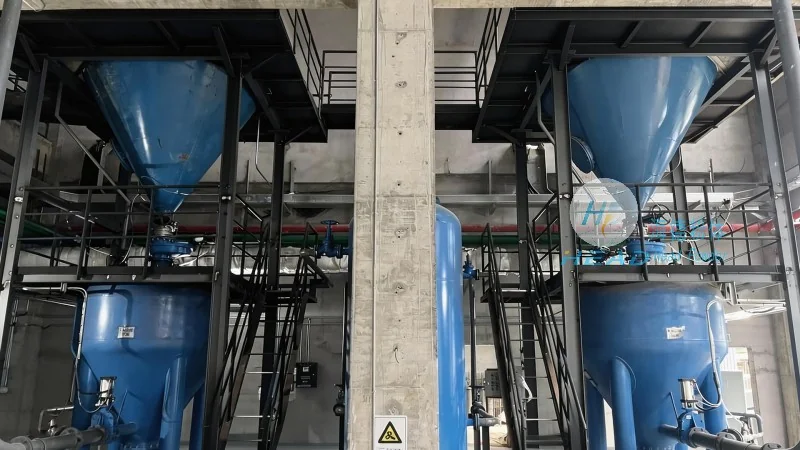
Biomass pneumatic conveying is a method used to transport bulk materials, such as wood chips, pellets, and other organic matter, using a combination of air and pressure. This technology offers several advantages over traditional mechanical conveying systems, including reduced equipment wear, lower maintenance costs, and the ability to handle a wide range of material types and particle sizes. The process involves the creation of a low-pressure or high-pressure air stream that propels the material through a pipeline network.
The Working Principle of Biomass Pneumatic Conveying
The core principle of biomass pneumatic conveying is based on the Bernoulli effect and the force of air flow. As air is introduced into the conveying line, it creates a pressure differential that draws the biomass material into the system. The material is then suspended in the air stream and transported to the destination point. The system typically consists of a material feed hopper, a conveyor line, and a discharge point. The air flow is controlled by a blower or compressor, which maintains the necessary pressure to ensure smooth material transport.
Key Components and Their Functions
Several critical components are involved in the biomass pneumatic conveying system. The material feed hopper is responsible for storing and feeding the biomass into the conveying line. It is designed to handle different material types and can be equipped with a rotary valve or a screw feeder to regulate the flow rate. The conveyor line is made of durable materials, such as stainless steel or plastic, to withstand the abrasive nature of biomass particles. The blower or compressor provides the necessary air pressure and volume to move the material through the system. The discharge point is where the material is released from the conveying line, often into a storage silo or processing unit.
The Operation Process of Biomass Pneumatic Conveying
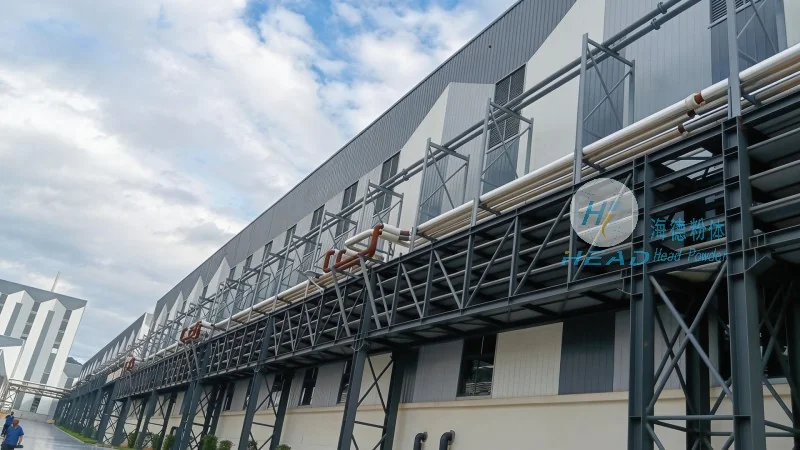
The operation process of biomass pneumatic conveying can be broken down into several steps. First, the biomass material is loaded into the feed hopper. The rotary valve or screw feeder then regulates the flow rate, ensuring a consistent feed into the conveying line. Next, the blower or compressor starts, creating a low or high-pressure air stream. The air stream draws the material from the hopper into the pipeline, where it is suspended and transported to the discharge point. The material is then discharged into the receiving container, completing the cycle. The system can operate continuously, with the feed and discharge processes running simultaneously to maintain a steady flow of material.
Advantages of Biomass Pneumatic Conveying
Biomass pneumatic conveying offers numerous advantages over traditional conveying methods. One of the primary benefits is the reduction in equipment wear and tear, as the material is not in direct contact with the conveyor components. This leads to lower maintenance costs and longer equipment lifespan. Additionally, the system is highly flexible, allowing for changes in material type or flow rate without significant modifications. The process is also hygienic and dust-free, making it suitable for applications where material contamination is a concern. Furthermore, the system can be integrated with other processing equipment, such as pelletizers or dryers, to form a complete production line.
Applications of Biomass Pneumatic Conveying
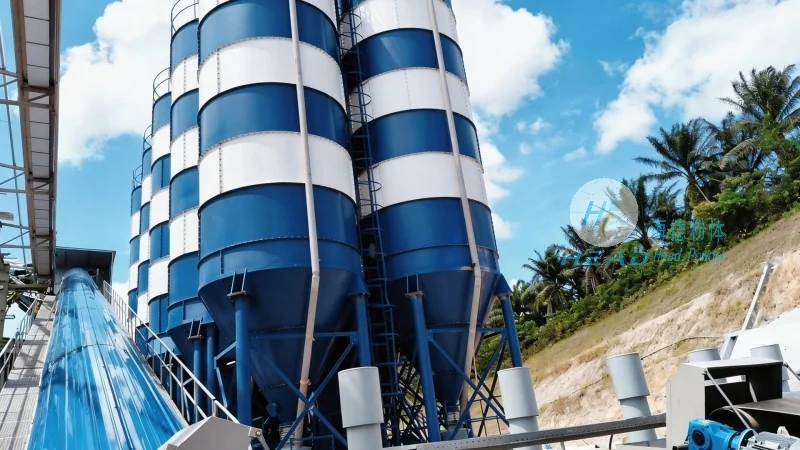
Biomass pneumatic conveying is widely used in various industries, including biomass power generation, biofuel production, and agricultural processing. In biomass power plants, the technology is used to transport wood chips or pellets from storage to the boiler. In biofuel plants, it is employed to move raw materials to the processing units, such as pellet mills or extruders. Agricultural processing facilities use the system to transport crop residues or other organic materials for composting or energy production. The versatility of the technology makes it suitable for a wide range of applications, from small-scale operations to large industrial facilities.
Company Profile: Shandong HeadPowder Engineering Co., Ltd.
Shandong HeadPowder Engineering Co., Ltd., commonly known as HeadPowder, is a leading manufacturer and supplier of pneumatic conveying systems for biomass and other bulk materials. With years of experience in the industry, the company specializes in designing and manufacturing customized conveying solutions that meet the specific needs of its clients. HeadPowder's products are known for their high efficiency, durability, and reliability, making them a preferred choice for industries that require consistent and reliable material handling. The company's headquarters is located in Shandong, China, and it serves clients both domestically and internationally.
Conclusion
Biomass pneumatic conveying is an efficient and versatile technology for transporting bulk materials. By understanding the operation process and working principle, industries can optimize their material handling systems and improve overall productivity. With the expertise of companies like Shandong HeadPowder Engineering Co., Ltd., the implementation of biomass pneumatic conveying systems has become more accessible and effective, contributing to the growth of biomass-based industries.




