

[Cotton Seed Pneumatic Conveying: What It Comprises]
Understanding the components of a cotton seed pneumatic conveying system is crucial for optimizing efficiency and reliability in agricultural processing operations. This article provides a detailed overview of the key elements that constitute such a system, highlighting the role of each component in the overall process. The information is presented by Shandong HeadPowder Engineering Co., Ltd., a leading manufacturer of pneumatic conveying systems based in China.
System Overview and Core Components
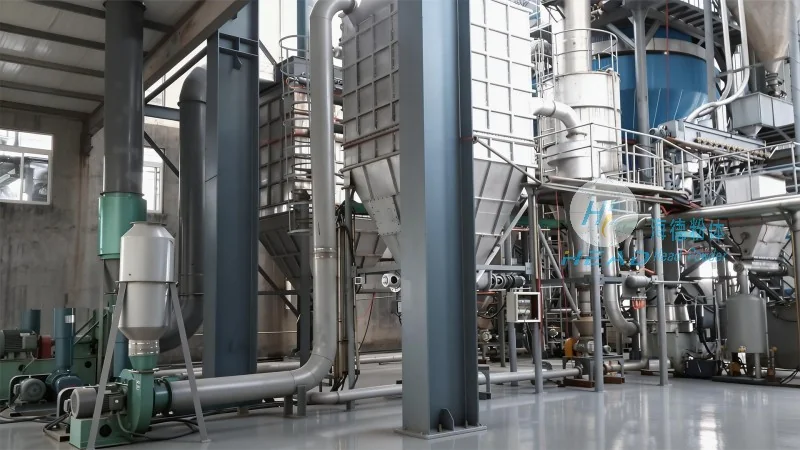
A cotton seed pneumatic conveying system typically consists of several interconnected parts that work together to transport cotton seeds from one location to another. The primary components include the material feed section, the conveying pipeline, the air supply system, and the control mechanisms. Each of these components plays a vital role in ensuring smooth and efficient operation.
Material Feed Section
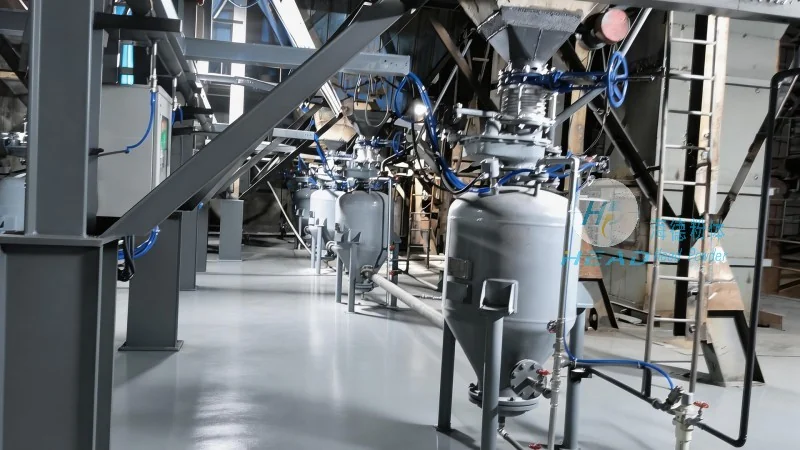
The material feed section is the starting point of the cotton seed pneumatic conveying system. It is responsible for feeding the cotton seeds into the conveying pipeline. This section often includes a hopper or a bin that holds the raw cotton seeds, along with a feeder such as a rotary valve or a screw conveyor. The feeder regulates the flow of seeds into the system, ensuring a consistent and controlled feed rate. The design of the feed section is critical as it directly impacts the system's capacity and the uniformity of the seed flow.
Conveying Pipeline
The conveying pipeline is the main channel through which the cotton seeds are transported. It is usually made of stainless steel or other corrosion-resistant materials to withstand the abrasive nature of the seeds and the moisture content. The pipeline can be either vertical or horizontal, depending on the layout of the processing facility. Vertical pipelines are used when the seeds need to be lifted to a higher elevation, while horizontal pipelines are used for horizontal transport. The pipeline is equipped with bends and elbows to change the direction of the flow, and it may also include expansion joints to accommodate thermal expansion and contraction.
Air Supply System
The air supply system provides the necessary airflow to move the cotton seeds through the pipeline. It typically consists of a blower or a fan that generates the required pressure and volume of air. The air is drawn from the environment and then compressed to a specific pressure level, which is sufficient to overcome the resistance of the pipeline and lift the seeds. The system may also include a filter to remove dust and debris from the air, ensuring that the air remains clean and free from contaminants that could affect the quality of the seeds or the performance of the system.
Control Mechanisms
The control mechanisms are responsible for monitoring and regulating the operation of the pneumatic conveying system. They include sensors and control valves that measure the pressure, flow rate, and temperature within the system. The control system adjusts the air supply and feed rate as needed to maintain optimal operating conditions. It also includes safety features such as pressure relief valves and emergency shut-off valves to prevent accidents and protect the equipment from damage.
Additional Components and Accessories
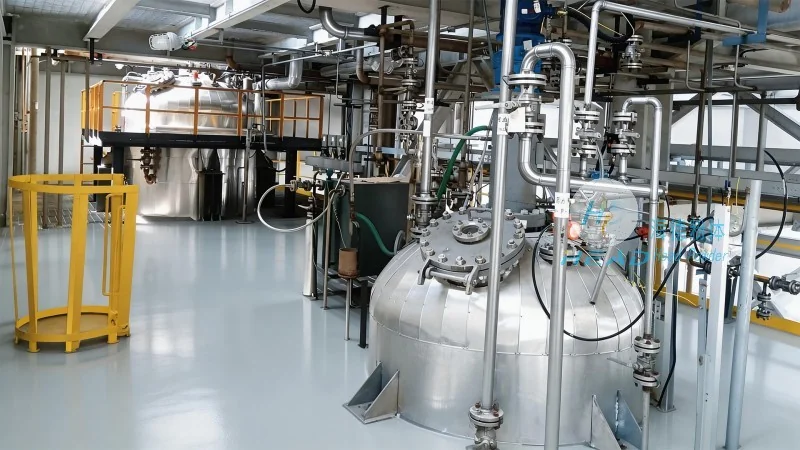
Beyond the core components mentioned above, a cotton seed pneumatic conveying system may also include additional accessories to enhance its functionality and reliability. These may include dust collectors to capture and remove airborne particles, silencers to reduce noise levels, and cleaning equipment to maintain the cleanliness of the system. The use of these accessories is important for maintaining the quality of the cotton seeds and ensuring the longevity of the equipment.
By understanding the various components of a cotton seed pneumatic conveying system, users can better appreciate the complexity and importance of each part in the overall operation. Proper maintenance and regular inspection of these components are essential to ensure the system operates efficiently and reliably, thereby maximizing productivity and minimizing downtime in cotton seed processing facilities.