Components of Wheat Pneumatic Conveying Systems
Release time:2026-09-14 10:49:55
name of the company:Shandong Headpowder Engineering Co., Ltd.
telephone:156-6277-7102
contacts:Zhang manager
Wheat pneumatic conveying systems are essential industrial equipment used to transport wheat and other bulk materials efficiently. The components of such systems are critical for ensuring reliable and effective operation in grain handling processes. Shandong HeadPowder Engineering Co., Ltd., a leading manufacturer based in China, specializes in designing and supplying high-quality wheat pneumatic conveying systems. This article will detail the key elements that make up a typical wheat pneumatic conveying system, providing a comprehensive guide for those involved in the grain industry.
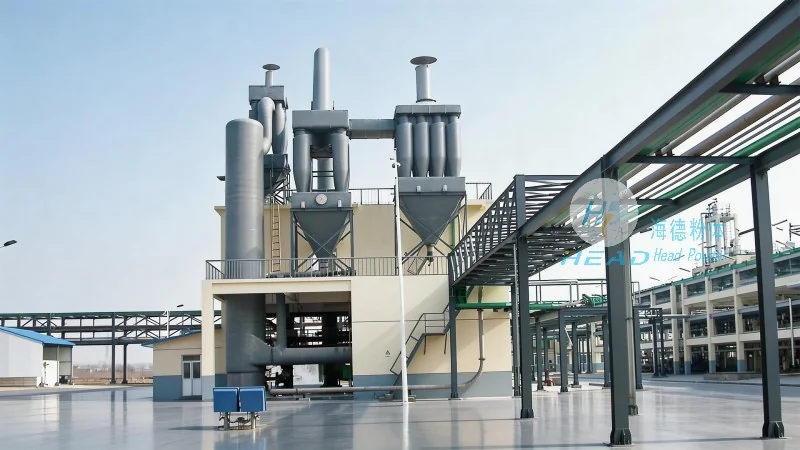
Core Components of Wheat Pneumatic Conveying Systems
A wheat pneumatic conveying system comprises several interconnected parts that work together to move grain from a source to a destination. The primary components include the material hopper, the air compressor, the conveying line, the dust collection unit, and the control system. Each component plays a vital role in the overall functionality and performance of the system.
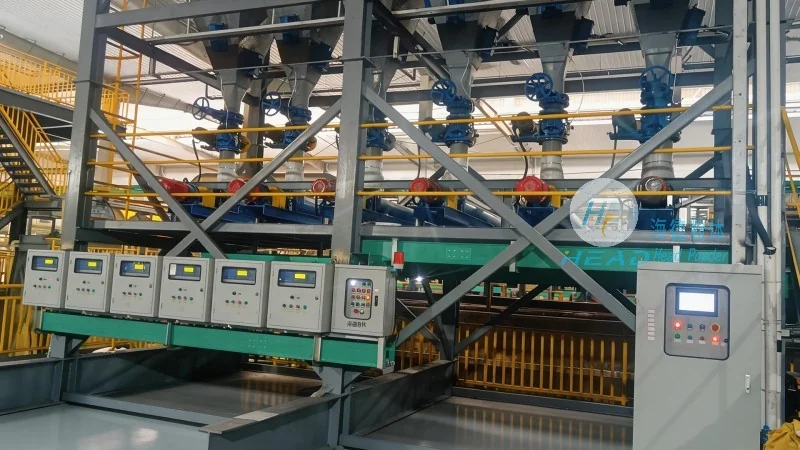
The Material Hopper: Storage and Feeding
The hopper is the first component where wheat is stored before being conveyed. It is designed to hold a sufficient quantity of grain to maintain a continuous feed into the system. The hopper typically features a sloped bottom or a gate mechanism to regulate the flow of wheat into the air intake. This ensures a steady supply of material, preventing blockages and maintaining consistent pressure within the system. The design of the hopper may vary based on the system's capacity and the specific application, such as bulk storage or pre-processing before transport.
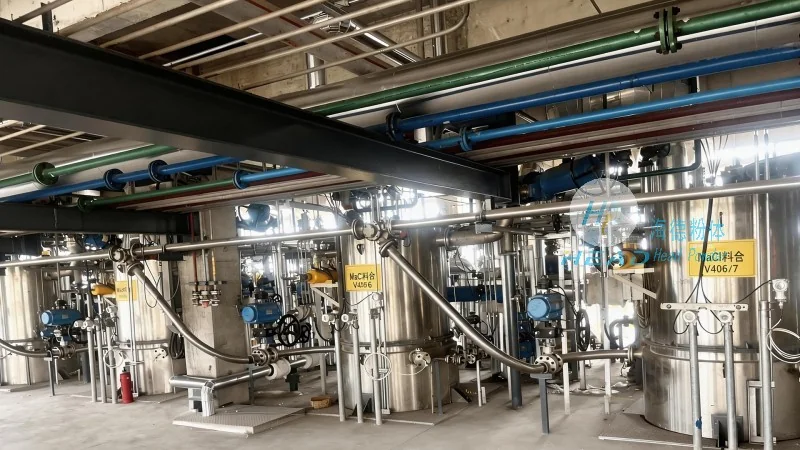
The Air Compressor: The Power Source
The air compressor is the heart of the wheat pneumatic conveying system, responsible for generating the necessary air pressure to move the grain through the conveying line. It supplies compressed air that creates a vacuum or pressure differential, enabling the wheat to be transported. The type of compressor—such as rotary screw, reciprocating, or centrifugal—depends on factors like the system's capacity, the distance of transport, and the desired flow rate. High-efficiency compressors are preferred to minimize energy consumption and operational costs while maintaining the required air pressure. Regular maintenance of the compressor is essential to ensure consistent performance and longevity.
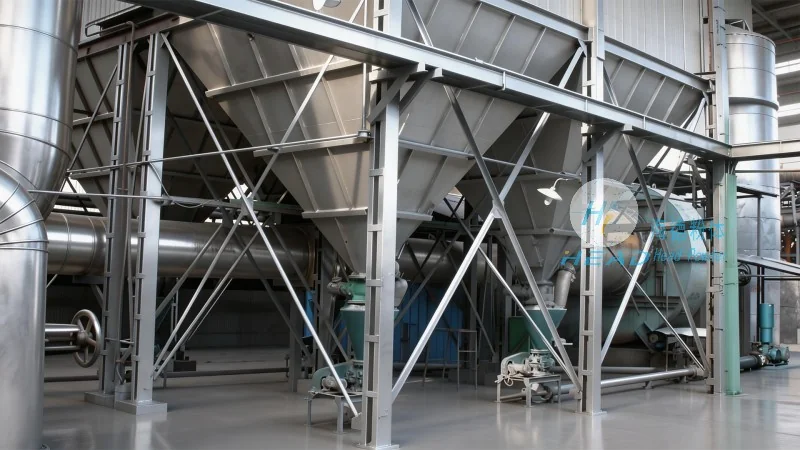
The Conveying Line: The Pathway
The conveying line, usually made of flexible or rigid tubing, serves as the pathway for the wheat. The material of the line—such as stainless steel, PVC, or polyethylene—depends on the grain's characteristics and the system's operating conditions. Flexible lines are commonly used for short to medium distances, while rigid lines are preferred for longer distances or in environments where flexibility is not required. The line's diameter and length are critical factors affecting the system's capacity and efficiency. Proper installation and maintenance of the line are vital to prevent leaks, blockages, and wear, which can impact performance and lifespan.




