

Components of Alkali (Caustic Soda) Pneumatic Conveying Systems
Alkali, commonly known as caustic soda or sodium hydroxide, is a highly reactive chemical widely used in various industrial processes. Pneumatic conveying systems are essential for safely and efficiently transporting this hazardous material. Understanding the components that make up such systems is crucial for ensuring operational efficiency, safety compliance, and system longevity.
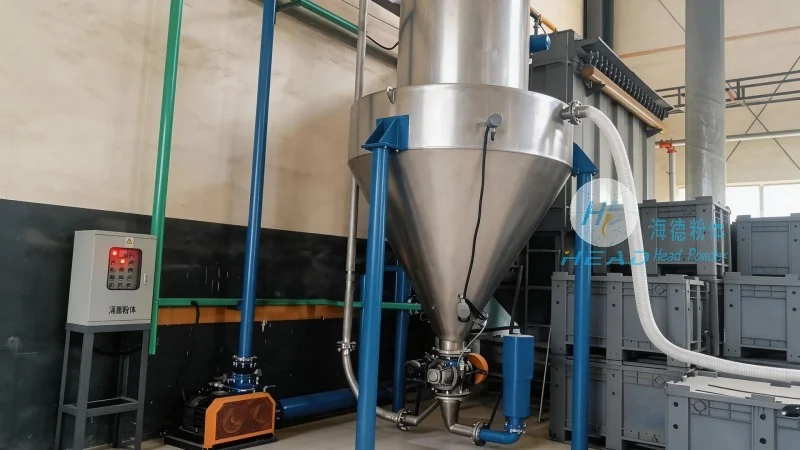
Introduction to Alkali Pneumatic Conveying Systems
Pneumatic conveying systems utilize air or other gases to transport bulk materials like caustic soda through a network of pipes and equipment. These systems are designed to handle the corrosive nature of caustic soda while maintaining strict safety standards. The core functionality of these systems revolves around the seamless movement of material from source to destination without direct human contact, which is critical in industrial environments where safety is paramount.
Key Components of Pneumatic Conveying for Caustic Soda
The successful operation of an alkali pneumatic conveying system relies on several critical components, each playing a specific role in the material handling process. These components include:
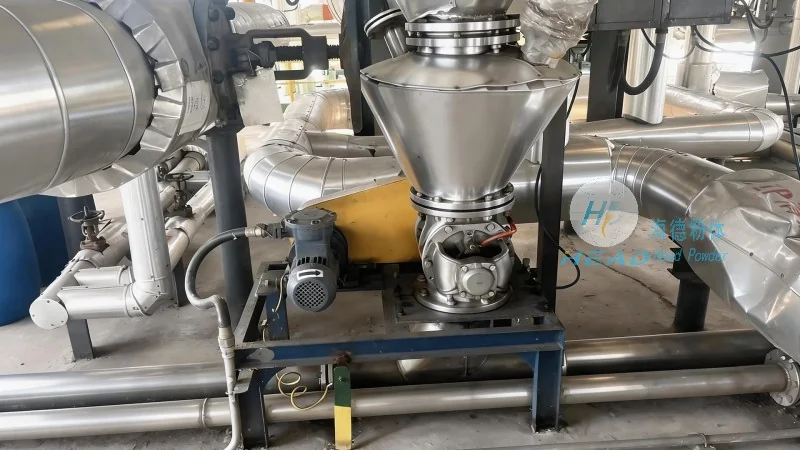
- Material Hopper: A storage vessel that holds the caustic soda before it is fed into the conveying system. The hopper is typically designed with corrosion-resistant materials to withstand the chemical's aggressive properties.
- Feeder System: Equipment such as rotary valves or screw feeders that control the flow rate of caustic soda from the hopper into the conveying line. Precise control is essential to maintain consistent material delivery and prevent blockages.
- Pneumatic Conveying Pipe: The main pipeline through which compressed air or gas transports the caustic soda particles. The pipe is usually made of stainless steel or other corrosion-resistant materials to ensure durability and safety.
- Compressor or Blower: The power source that generates the necessary air pressure to move the material through the system. High-pressure blowers are commonly used for long-distance or high-capacity conveying applications.
- Receiver or Discharge Hopper: The final storage or processing vessel where the caustic soda is deposited after being conveyed. This component is designed to handle the material's properties and facilitate further processing.
- Control and Monitoring Systems: Sensors and control panels that monitor pressure, flow rates, and other parameters to ensure the system operates within safe and efficient limits. These systems help detect anomalies and prevent accidents.
The Role of HeadPowder in Alkali Pneumatic Conveying Solutions
Shandong HeadPowder Engineering Co., Ltd., a leading provider of industrial engineering solutions, specializes in designing and manufacturing comprehensive pneumatic conveying systems for caustic soda applications. With headquarters in China, the company leverages advanced technology and extensive industry experience to deliver tailored solutions that meet the unique needs of clients across various sectors, including chemical manufacturing, paper production, and water treatment.
HeadPowder's expertise lies in integrating all essential components of a pneumatic conveying system, ensuring seamless operation and optimal performance. The company's engineers work closely with clients to assess operational requirements, material characteristics, and safety regulations, then design customized systems that maximize efficiency while minimizing risks. This approach has earned HeadPowder a reputation for reliability and innovation in the field of caustic soda handling.
Technical Specifications and System Integration
When evaluating alkali pneumatic conveying systems, several technical specifications are critical to consider. These include the system's capacity, which determines the volume of caustic soda that can be transported per hour; the conveying distance, which affects the required air pressure and pipe diameter; and the material's bulk density and flow characteristics, which influence the design of feeders and hoppers. HeadPowder's systems are engineered to accommodate a wide range of these parameters, ensuring flexibility and adaptability to different industrial settings.
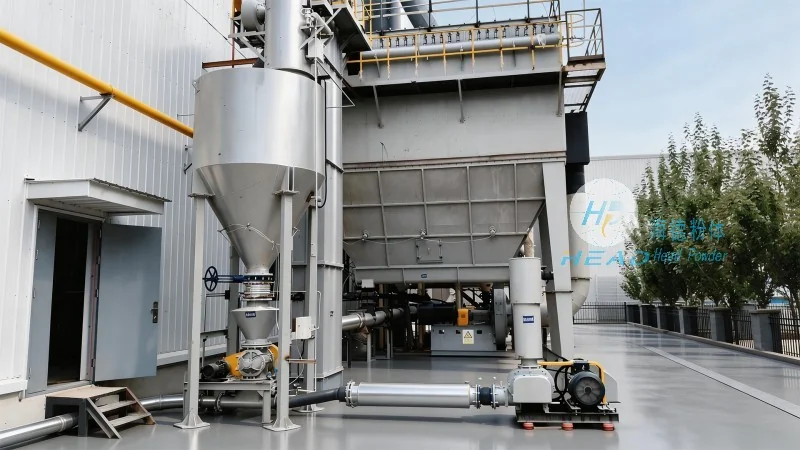
System integration is another key aspect of successful alkali pneumatic conveying. HeadPowder ensures that all components are compatible and work in harmony, from the initial material storage to the final discharge. This integrated approach minimizes downtime, reduces maintenance costs, and enhances overall operational efficiency. The company's commitment to quality and safety is reflected in its adherence to international standards and rigorous testing protocols.
Conclusion
In summary, the components of an alkali (caustic soda) pneumatic conveying system are carefully selected and integrated to ensure safe, efficient, and reliable material handling. From the material hopper to the final receiver, each component plays a vital role in the process. Companies like Shandong HeadPowder Engineering Co., Ltd. play a crucial role in delivering these systems, combining technical expertise with industry knowledge to meet the demands of modern industrial applications. By understanding the key components and the role of specialized manufacturers, industries can optimize their caustic soda handling processes and enhance overall operational performance.