

Components of Silica Powder Pneumatic Conveying
For industries dealing with silica powder, understanding the components of a pneumatic conveying system is crucial for efficient material handling and process optimization. The system's design and components directly impact performance, reliability, and operational costs. This article explores the key elements that constitute a silica powder pneumatic conveying system, highlighting the expertise of Shandong HeadPowder Engineering Co., Ltd., a leading provider in the field.
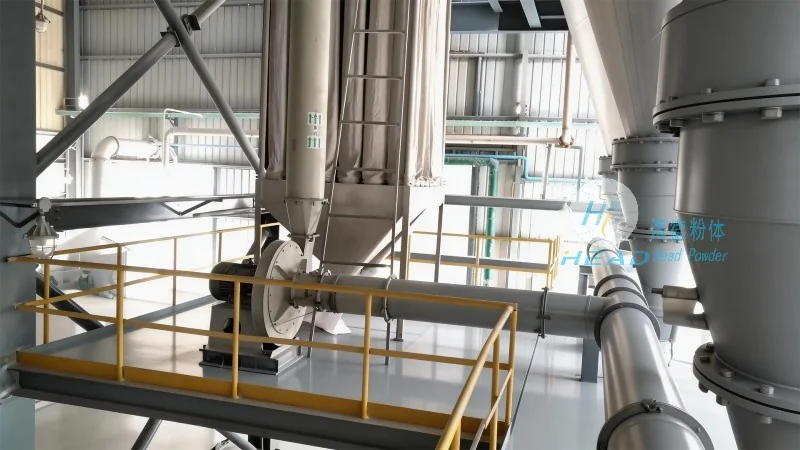
System Overview and Core Components
A typical silica powder pneumatic conveying system consists of several interconnected components working in harmony to transport powder from a source to a destination. The primary components include the material feed unit, the conveying line, the air supply system, and the control mechanisms. Each component plays a vital role in ensuring smooth and efficient powder transfer. The material feed unit is responsible for introducing the silica powder into the system, often using a hopper or a feeder that can handle the bulk material. This unit must be designed to prevent material bridging or clogging, which are common issues in powder handling. The conveying line, usually made of metal or plastic, carries the powder and air mixture through the system. The choice of material for the conveying line depends on the properties of the silica powder, such as its abrasiveness and moisture content. The air supply system provides the necessary pressure and flow rate to move the powder particles. This can be achieved through positive pressure or negative pressure systems, with positive pressure being more common for silica powder due to its low density and tendency to settle. The control mechanisms, including valves, sensors, and a control panel, regulate the flow of powder and air, ensuring the system operates within safe and efficient parameters.
Material Feed and Hopper Design
The material feed unit is a critical component of the silica powder pneumatic conveying system. It must be designed to handle the specific characteristics of silica powder, which can vary in particle size, moisture content, and flowability. The hopper, typically made of stainless steel or other corrosion-resistant materials, stores the silica powder and feeds it to the system. The hopper design includes features such as a conical bottom and a discharge valve to control the flow rate. To prevent material bridging, some systems use vibrators or air knives to break up any agglomerates. The feeder, often a rotary valve or a screw feeder, ensures a consistent and controlled feed rate. The feed unit must be compatible with the conveying line and the air supply system, ensuring seamless integration and minimal pressure drop. Proper design of the material feed unit is essential to maintain the system's efficiency and prevent downtime due to clogging or blockages.
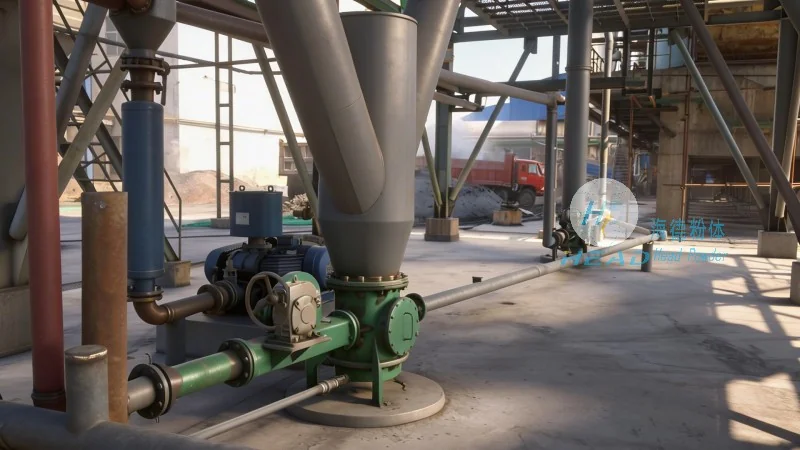
Air Supply and Conveying Line
The air supply system is responsible for generating the pressure and flow required to transport the silica powder. This system typically includes a blower or a compressor, a filter to remove contaminants from the air, and a pressure regulator to maintain consistent pressure. The blower or compressor provides the necessary air volume and pressure to move the powder particles through the conveying line. The conveying line is usually made of stainless steel or PVC, depending on the application. For silica powder, stainless steel is preferred due to its resistance to corrosion and abrasion. The line is designed with appropriate bends and elbows to minimize pressure loss and ensure smooth flow. The diameter of the conveying line is determined based on the powder flow rate and the air velocity. Proper sizing of the conveying line is crucial to prevent excessive pressure drop and maintain the system's efficiency. The air supply system must be matched with the conveying line and the material feed unit to ensure optimal performance.
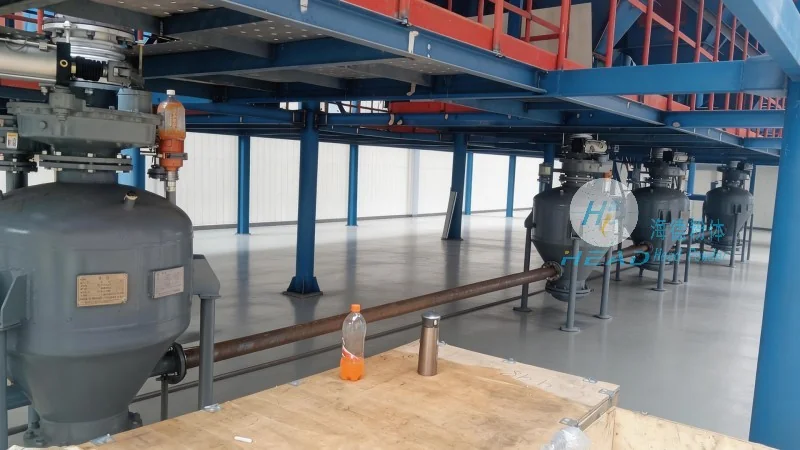
Control and Monitoring Systems
The control and monitoring systems are essential for managing the silica powder pneumatic conveying system. These systems include sensors to monitor pressure, flow rate, and temperature, as well as a control panel to regulate the system's operation. The sensors provide real-time data on the system's performance, allowing operators to detect any issues early and take corrective action. The control panel allows operators to adjust the feed rate, air pressure, and other parameters to optimize the system's performance. The control systems can be automated, with programmable logic controllers (PLCs) or other software, to ensure consistent and efficient operation. Proper monitoring and control are crucial to prevent equipment damage, reduce energy consumption, and maintain product quality. The control systems must be integrated with the other components of the system to ensure seamless operation and minimal downtime.
Installation and Maintenance Considerations
Proper installation and maintenance of the silica powder pneumatic conveying system are critical to ensure long-term performance and reliability. The system must be installed according to the manufacturer's specifications, with proper alignment and support to prevent vibration and stress on the components. Regular maintenance is necessary to keep the system in optimal condition. This includes cleaning the hopper and conveying line to remove any accumulated powder, checking the air supply system for leaks or wear, and inspecting the control systems for proper operation. The maintenance schedule should be based on the system's usage and the characteristics of the silica powder. Regular maintenance can help prevent breakdowns, reduce downtime, and extend the system's lifespan. The expertise of Shandong HeadPowder Engineering Co., Ltd. in system design and installation ensures that clients receive a well-engineered and reliable pneumatic conveying system that meets their specific needs.