

Advantages and Disadvantages of Negative Pressure and Positive Pressure Pneumatic Conveying for Gela
When it comes to the efficient and safe transportation of gelatin in industrial settings, pneumatic conveying systems play a crucial role. Among the various methods available, negative pressure (suction) and positive pressure (blow) conveying are two of the most common approaches. Each method has its own set of advantages and disadvantages, which can significantly impact the overall performance, cost, and operational considerations of a gelatin processing facility. This article provides a detailed comparison of negative pressure and positive pressure pneumatic conveying for gelatin, highlighting their key benefits and drawbacks.
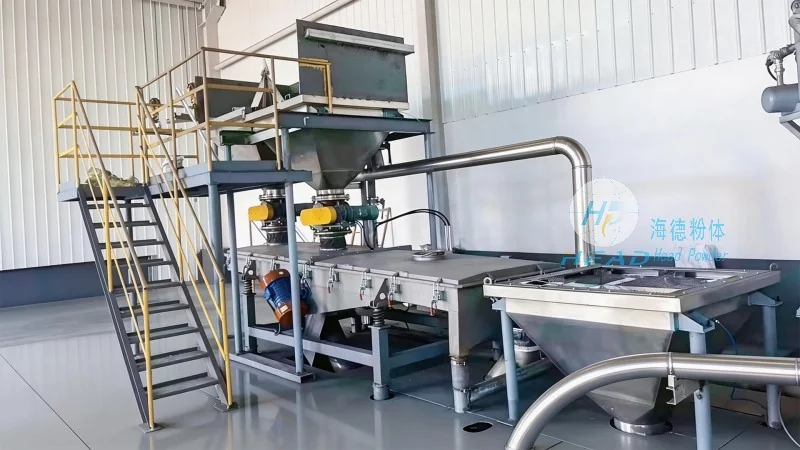
HeadPowder Engineering, a leading provider of material handling solutions based in Shandong, China, specializes in designing and implementing customized pneumatic conveying systems tailored to the unique needs of the gelatin industry. With years of experience in the field, the company understands the importance of selecting the right conveying method to ensure optimal product quality, minimize downtime, and enhance overall operational efficiency.
Understanding Pneumatic Conveying Systems
Pneumatic conveying systems use air or gas to transport bulk materials like gelatin through a pipeline. The two primary types are negative pressure (or suction) systems and positive pressure (or blow) systems. The choice between these systems depends on factors such as the material's properties, the distance to be conveyed, the required flow rate, and the overall system layout.
Negative Pressure (Suction) Pneumatic Conveying
Negative pressure conveying operates by creating a vacuum at the receiving end of the pipeline, which draws the gelatin material from the source into the system. This method is often preferred for applications where the material needs to be transported from a higher elevation to a lower one, or when the material is sensitive to high air velocities that could cause degradation or degradation.
One of the main advantages of negative pressure conveying is its ability to handle fine or dusty gelatin particles without causing excessive wear on the system components. The low air velocity in the pipeline reduces the risk of product degradation, making it suitable for high-value gelatin products that require gentle handling. Additionally, negative pressure systems are generally more energy-efficient as they only require a vacuum pump to operate, which can lead to lower operational costs over time.
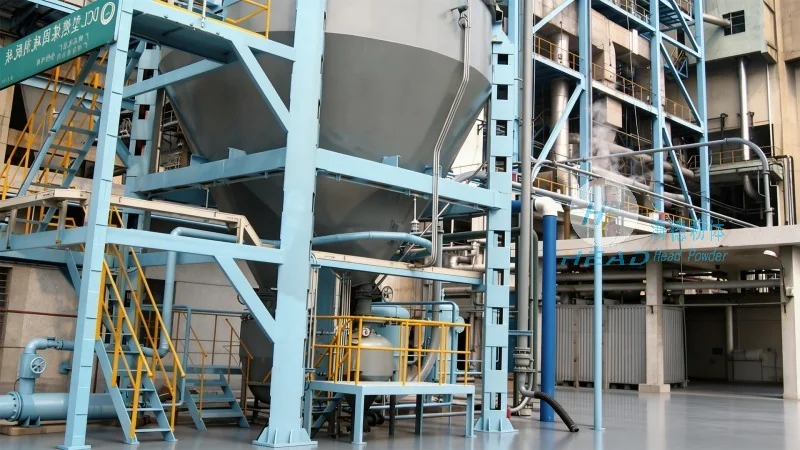
However, negative pressure conveying also has several drawbacks. The primary limitation is the maximum conveying distance, which is typically shorter compared to positive pressure systems. This is because the vacuum pressure drops as the distance increases, making it difficult to transport gelatin over long distances without intermediate boosters. Another disadvantage is the risk of backflow or product leakage if the system is not properly sealed or maintained. Furthermore, negative pressure systems may require more complex filtration and dust collection equipment to prevent contamination and ensure compliance with environmental regulations.
Positive Pressure (Blow) Pneumatic Conveying
Positive pressure conveying, on the other hand, uses compressed air to push the gelatin material through the pipeline from the source to the destination. This method is ideal for applications where the material needs to be transported over longer distances or from a lower elevation to a higher one. The high air velocity in the system ensures that the gelatin particles are fully suspended and transported efficiently.
A key advantage of positive pressure conveying is its ability to handle longer conveying distances without the need for intermediate boosters. This makes it suitable for large-scale gelatin processing facilities where the material needs to be transported from storage silos to processing units over several hundred meters. Additionally, positive pressure systems can handle a wider range of material sizes and shapes, including lumps or agglomerates, without causing blockages in the pipeline.
However, positive pressure conveying also has its disadvantages. The main drawback is the higher energy consumption compared to negative pressure systems, as it requires a compressor to generate the necessary air pressure. This can lead to higher operational costs, especially for facilities that operate the system continuously. Another disadvantage is the potential for product degradation due to high air velocities, which can cause friction and heat generation. This is particularly critical for heat-sensitive gelatin products that may lose their quality if exposed to high temperatures for extended periods.
Key Factors to Consider When Choosing a Conveying System
When selecting between negative pressure and positive pressure pneumatic conveying for gelatin, several factors must be considered to ensure the optimal choice. The first factor is the material's properties, such as its density, moisture content, and particle size. For example, fine gelatin powders are better suited for negative pressure systems due to their lower air velocity requirements, while larger or more abrasive particles may benefit from positive pressure systems.
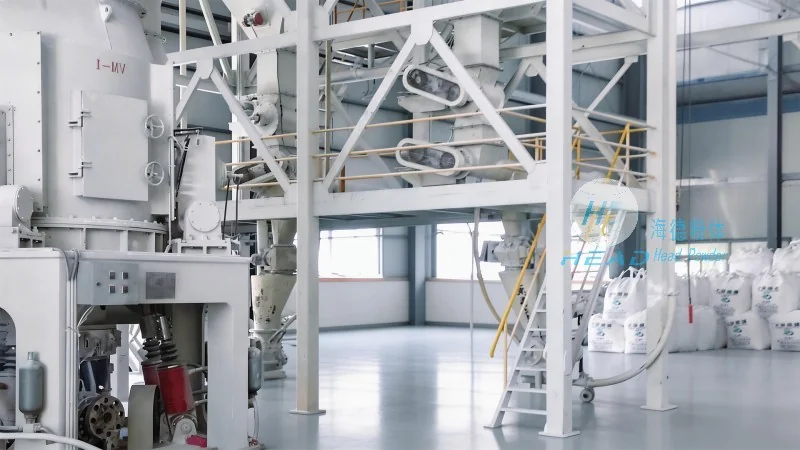
The second factor is the conveying distance and elevation changes. If the gelatin needs to be transported over long distances or from a lower to a higher elevation, positive pressure conveying is generally more suitable. Conversely, if the material is to be transported over short distances or from a higher to a lower elevation, negative pressure conveying may be more efficient.
The third factor is the required flow rate and system capacity. Positive pressure systems can handle higher flow rates and larger volumes, making them ideal for high-throughput gelatin processing facilities. Negative pressure systems, while lower in capacity, are more suitable for smaller-scale operations or applications where gentle handling is critical.
Additionally, the cost of installation and maintenance should be considered. Negative pressure systems are generally less expensive to install as they require fewer components, such as compressors. However, they may require more frequent maintenance due to the higher risk of contamination and wear from fine particles. Positive pressure systems, while more expensive to install, may have lower maintenance costs due to their simpler design and fewer moving parts.
Conclusion
Both negative pressure and positive pressure pneumatic conveying systems have their own set of advantages and disadvantages when it comes to transporting gelatin. The choice between the two depends on the specific requirements of the gelatin processing facility, including the material properties, conveying distance, flow rate, and cost considerations. HeadPowder Engineering, with its expertise in material handling solutions, can provide customized pneumatic conveying systems that optimize performance and efficiency for gelatin applications. By carefully evaluating the pros and cons of each system, facilities can select the most suitable conveying method to ensure the safe and efficient transportation of gelatin, ultimately enhancing product quality and operational productivity.