When it comes to the pneumatic conveying of fermented grain in the brewing industry, selecting the right conveying method is crucial for ensuring efficiency, product quality, and operational safety. Two primary approaches are widely used: negative pressure (suction) conveying and positive pressure (blowing) conveying. Each method has its own set of advantages and disadvantages, which can significantly impact the overall performance of the conveying system. This article provides a detailed comparison of the two, helping to inform decisions for businesses like Shandong HeadPowder Engineering Co., Ltd., based in China, when implementing or upgrading their pneumatic conveying systems.
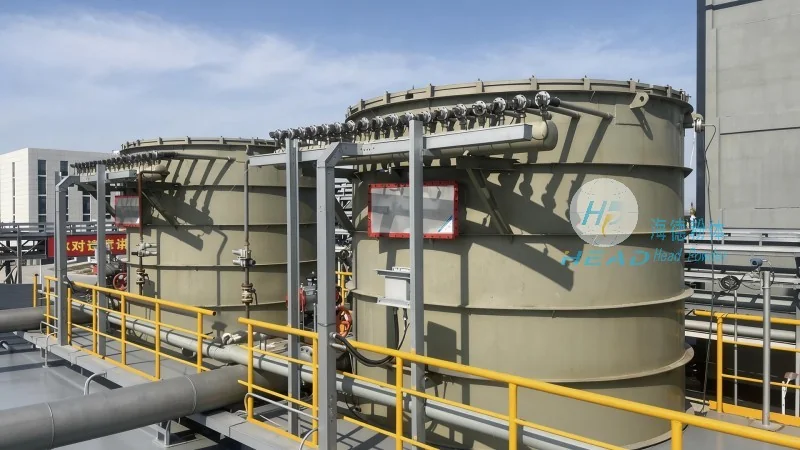
Overview of Pneumatic Conveying Methods
Pneumatic conveying is a technology that uses air or gas to transport bulk materials like fermented grain through a pipeline. The two main categories are negative pressure conveying, where air is drawn into the system to pull material along, and positive pressure conveying, where air is forced into the system to push material forward. Both methods are widely used in the food and beverage industry, including brewing, due to their ability to handle delicate materials without damage and to maintain a closed system that prevents contamination.
Company Background: Shandong HeadPowder Engineering Co., Ltd.
As a leading provider of engineering solutions for the food processing industry, Shandong HeadPowder Engineering Co., Ltd. specializes in designing and manufacturing pneumatic conveying systems tailored to the needs of breweries and other food manufacturers. With a strong presence in China, the company leverages its expertise to deliver efficient, reliable, and cost-effective solutions for material handling. The company’s commitment to quality and innovation ensures that its systems meet the highest standards for safety, hygiene, and performance, making them a trusted partner for businesses seeking to optimize their production processes.
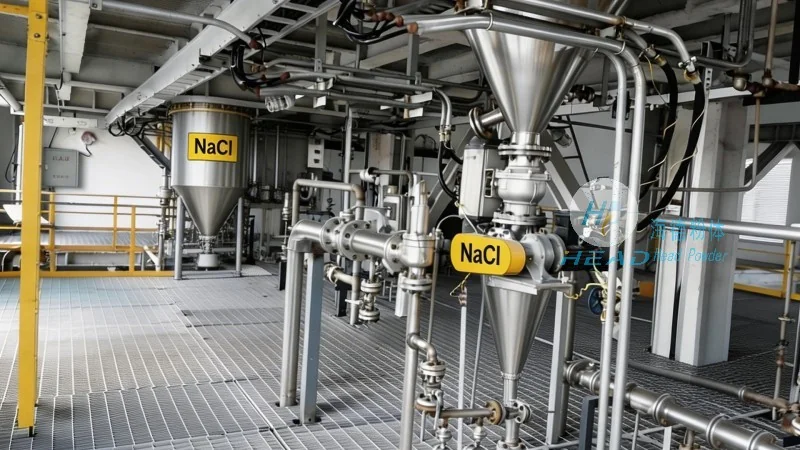
Negative Pressure (Suction) Pneumatic Conveying
Negative pressure conveying, also known as suction conveying, operates by creating a vacuum at the material inlet, which draws the fermented grain into the pipeline. The system typically uses a fan or vacuum pump to create the negative pressure, and the material is carried along by the air flow. One of the key advantages of this method is its ability to handle materials that are sensitive to pressure or friction, as the material is not subjected to high pressure or direct contact with the pipeline walls. This makes it ideal for conveying delicate fermented grain that may be prone to breakage or contamination. Additionally, negative pressure systems are generally more energy-efficient for short to medium distance conveying, as they require less power to maintain the vacuum compared to positive pressure systems.
However, negative pressure conveying also has several drawbacks. The main limitation is its limited conveying distance and capacity. The vacuum created by the system can only effectively pull material over short distances, typically up to 100 meters or less, depending on the material characteristics and system design. This makes it less suitable for long-distance conveying applications. Another disadvantage is the risk of dust and particulate matter being drawn into the system, which can lead to increased maintenance and cleaning requirements. Furthermore, negative pressure systems may be more susceptible to clogging if the material contains high moisture content or fine particles, as the vacuum can cause the material to stick to the pipeline walls.
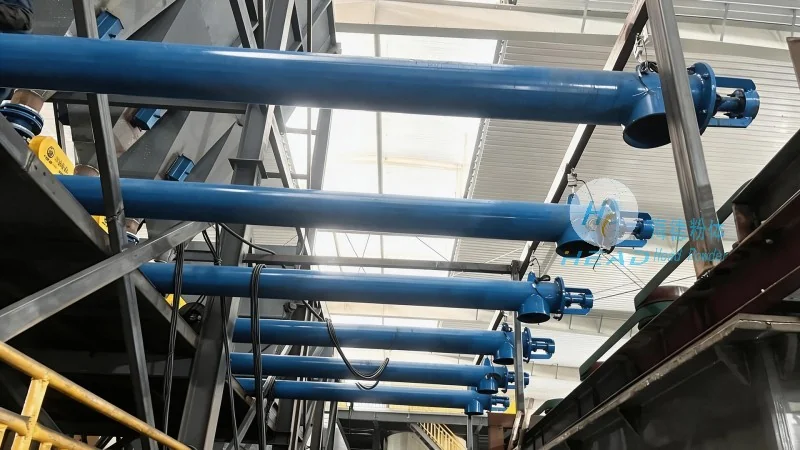
Positive Pressure (Blowing) Pneumatic Conveying
Positive pressure conveying, or blowing conveying, works by forcing air or gas into the pipeline at a high pressure, which pushes the fermented grain forward. The system uses a blower or compressor to generate the positive pressure, and the material is carried along by the high-velocity air stream. One of the primary advantages of this method is its ability to handle longer conveying distances and higher material capacities. Positive pressure systems can effectively transport materials over distances of several hundred meters, making them suitable for large-scale production facilities. Additionally, positive pressure conveying is generally more energy-efficient for long-distance conveying, as the high pressure can maintain a consistent flow rate over longer distances.
However, positive pressure conveying also has its own set of disadvantages. The main drawback is the higher energy consumption compared to negative pressure systems, especially for long-distance conveying. The high pressure required to push the material forward consumes more power, which can increase operational costs. Another disadvantage is the potential for material degradation due to high pressure and friction. The high-velocity air stream can cause the fermented grain to break or degrade, reducing its quality and affecting the final product. Furthermore, positive pressure systems may require more robust pipeline and equipment, as the high pressure can cause wear and tear on components over time. This can lead to higher maintenance and replacement costs.
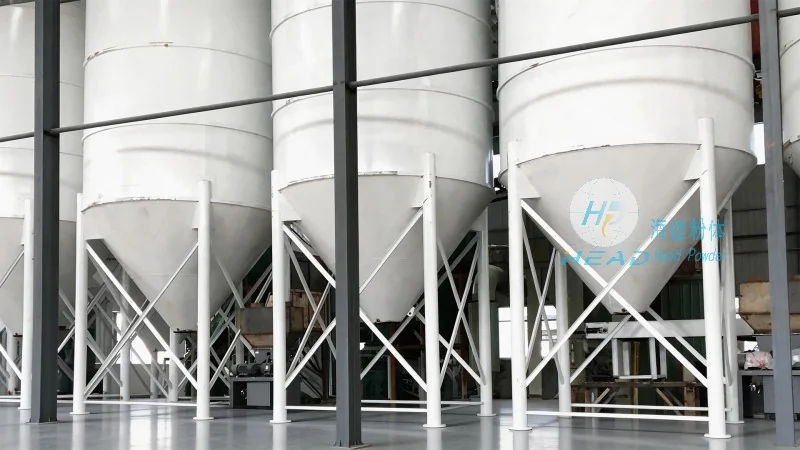
Key Factors to Consider When Choosing Between Negative and Positive Pressure Conveying
When deciding between negative and positive pressure pneumatic conveying for fermented grain handling, several factors must be considered. The first is the conveying distance and capacity required. For short distances and low to medium capacities, negative pressure conveying may be more suitable due to its lower energy consumption and gentler handling of materials. For long distances and high capacities, positive pressure conveying is generally preferred due to its ability to handle larger volumes and longer distances. The second factor is the material characteristics, such as moisture content, particle size, and sensitivity to pressure. Delicate or high-moisture fermented grain may benefit from negative pressure conveying to avoid breakage or degradation. Conversely, materials that are less sensitive and require longer transport may be better suited for positive pressure systems. The third factor is the operational cost and energy efficiency. Negative pressure systems are more energy-efficient for short distances, while positive pressure systems are more efficient for long distances. The fourth factor is the system complexity and maintenance requirements. Negative pressure systems are generally simpler and require less maintenance, while positive pressure systems may be more complex and require more frequent maintenance due to the higher pressure and potential for wear.
Conclusion
In conclusion, both negative pressure and positive pressure pneumatic conveying have their own advantages and disadvantages when used for the handling of fermented grain. Negative pressure conveying is ideal for short distances and delicate materials, offering gentler handling and lower energy consumption. Positive pressure conveying, on the other hand, is better suited for long distances and high capacities, providing higher efficiency and greater material handling capabilities. The choice between the two depends on the specific requirements of the application, including conveying distance, material characteristics, and operational costs. For businesses like Shandong HeadPowder Engineering Co., Ltd., understanding these differences is crucial for designing an effective and efficient pneumatic conveying system that meets the needs of their production processes while ensuring product quality and operational safety.




