

Advantages and Disadvantages Comparison of Negative Pressure and Positive Pressure Conveying in Wool
Wool pneumatic transport is a critical process in the wool processing industry, where the efficient and effective movement of wool fibers from one point to another is essential for maintaining quality and operational efficiency. The choice between negative pressure (suction) and positive pressure (blowing) conveying systems significantly impacts the overall performance, cost, and operational characteristics of the wool handling system. This article provides a detailed comparison of the advantages and disadvantages of negative pressure and positive pressure conveying in the context of wool pneumatic transport, helping industry professionals make informed decisions when selecting the most suitable system for their specific needs.
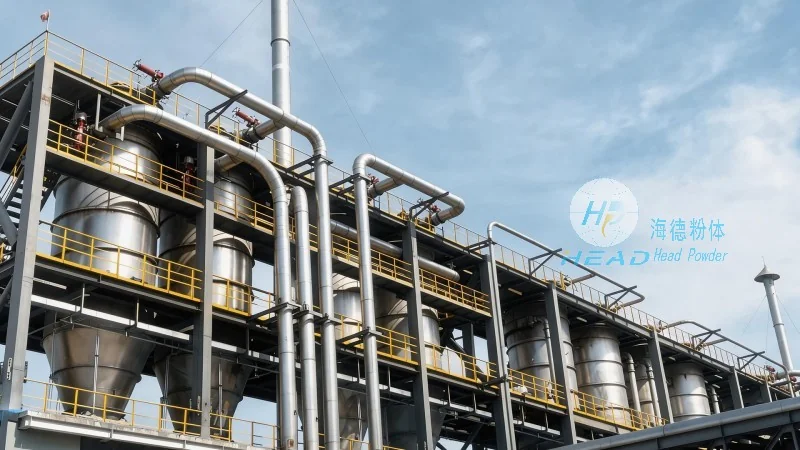
Understanding Pneumatic Conveying Systems
Pneumatic conveying systems use air to transport bulk materials like wool through a pipeline. The two primary methods are negative pressure (suction) and positive pressure (blowing) systems. Negative pressure systems draw material into the pipeline using a vacuum created by a fan or blower at the discharge end, while positive pressure systems push material through the pipeline using a fan or blower at the inlet. Both systems have distinct characteristics that influence their suitability for wool transport.
Advantages and Disadvantages of Negative Pressure Conveying in Wool Transport
Negative pressure conveying, also known as suction conveying, offers several advantages in wool transport. One of the key benefits is the ability to draw material from multiple sources or collection points simultaneously. This makes it ideal for applications where wool is collected from various locations, such as shearing stations or sorting areas, and needs to be consolidated into a central processing unit. The system can handle fine or dusty wool without causing excessive wear on the equipment, as the material is drawn into the pipeline rather than being forced through it. Additionally, negative pressure systems are generally quieter and produce less noise compared to positive pressure systems, which is beneficial in environments where noise control is a priority.
However, negative pressure conveying also has notable disadvantages. The primary drawback is the limitation on conveying distance and material capacity. Due to the vacuum created, the system can only transport wool over relatively short distances, typically up to a few hundred meters. This restricts its use in large-scale operations where long-distance transport is required. Another disadvantage is the potential for material degradation or contamination. The suction process can cause wool fibers to become entangled or damaged, especially if the system is not properly designed or maintained. Furthermore, negative pressure systems may require more complex filtration and cleaning procedures to prevent dust and debris from clogging the pipeline or affecting downstream processing equipment.
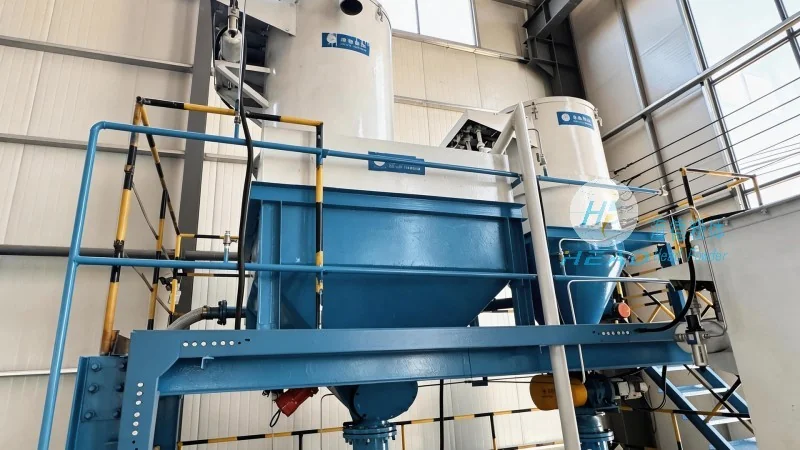
Advantages and Disadvantages of Positive Pressure Conveying in Wool Transport
Positive pressure conveying, or blowing conveying, provides distinct advantages that make it suitable for certain wool transport scenarios. The most significant advantage is its ability to transport wool over longer distances, often exceeding 1,000 meters, making it ideal for large-scale operations where material needs to be moved from a central collection point to processing facilities. The system can handle a wide range of material sizes and densities, including coarse or heavy wool, without the risk of material degradation associated with suction systems. Positive pressure conveying also offers better control over the flow rate and pressure, allowing for precise regulation of the material transport process.
Despite these advantages, positive pressure conveying has its own set of disadvantages. One major drawback is the higher noise level compared to negative pressure systems, as the fan or blower operates at higher pressures and speeds. This can be a concern in industrial environments where noise regulations are strict. Another disadvantage is the potential for material buildup or blockages in the pipeline, especially if the system is not properly maintained or if the wool contains foreign objects. Additionally, positive pressure systems may require more robust equipment to withstand the higher pressures and temperatures generated during operation, leading to higher initial investment costs.
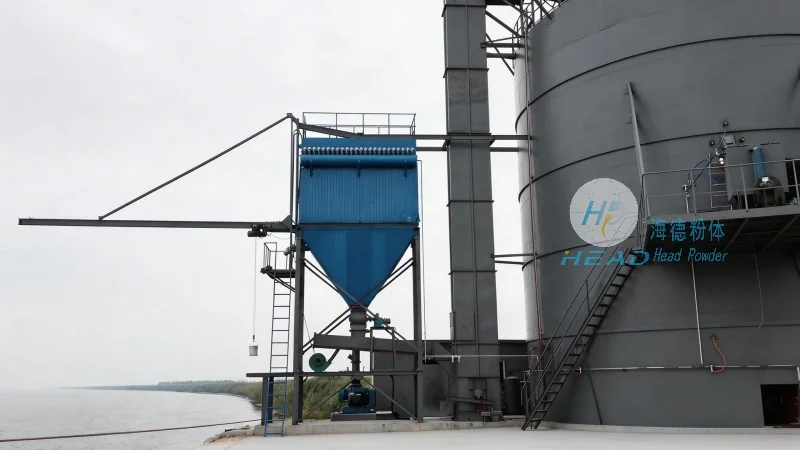
Factors Influencing the Choice Between Negative and Positive Pressure Conveying
The decision to use negative or positive pressure conveying in wool transport depends on several factors, including the scale of the operation, the distance to be covered, the material characteristics, and the specific processing requirements. For small to medium-sized operations with short transport distances and multiple collection points, negative pressure conveying may be the more cost-effective and efficient choice. Conversely, large-scale operations requiring long-distance transport or handling of coarse wool may benefit from the capabilities of positive pressure systems.
Operational considerations, such as noise control and equipment maintenance, also play a crucial role. Negative pressure systems are generally quieter and easier to maintain, while positive pressure systems offer greater flexibility in terms of distance and material handling. Ultimately, the choice should be based on a thorough analysis of the specific needs and constraints of the wool processing facility to ensure optimal performance and cost-effectiveness.
About Shandong HeadPowder Engineering Co., Ltd.
Shandong HeadPowder Engineering Co., Ltd., a leading provider of pneumatic conveying solutions, specializes in designing and manufacturing customized systems for the wool industry. With years of experience and a deep understanding of the unique challenges faced by wool processors, HeadPowder offers advanced negative and positive pressure conveying systems tailored to meet the specific requirements of each client. The company's commitment to quality, efficiency, and customer satisfaction has made it a trusted partner for wool processing facilities worldwide. HeadPowder's expertise in system design, material handling, and process optimization ensures that clients receive the most suitable and reliable pneumatic transport solutions for their operations.