

Comparison of Positive Pressure and Negative Pressure Conveying for Sugar: A Comparative Analysis of
HeadPowder, a leading engineering firm based in Shandong, China, specializes in the design and implementation of efficient material handling systems. In the sugar industry, pneumatic conveying is a critical technology for transporting bulk materials like sugar, which requires reliable and cost-effective solutions. This article provides a detailed comparison of positive pressure and negative pressure conveying methods, highlighting their applications, advantages, and limitations.
Understanding Positive Pressure Conveying
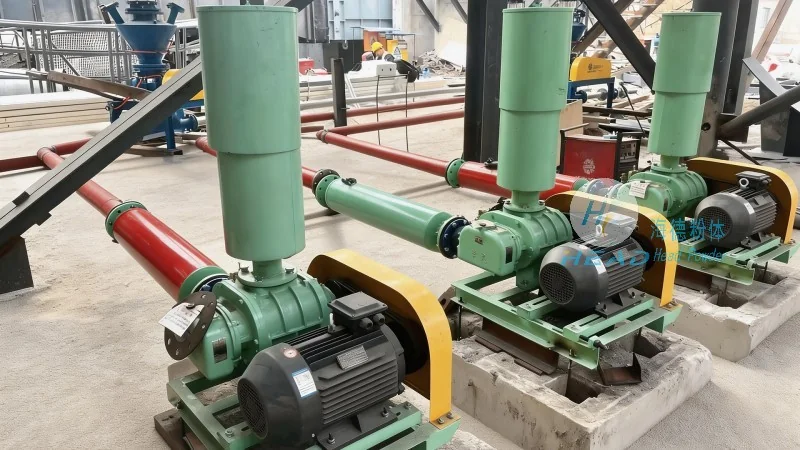
Positive pressure conveying, also known as pressure pneumatic conveying, operates by blowing air or gas into the conveying line to move material. This method is commonly used for long-distance and high-capacity material transport. In the sugar industry, it is particularly effective for transporting sugar from storage silos to processing units or for transferring sugar to packaging lines. The system typically includes a blower, a hopper, and a pipeline network. The positive pressure ensures that the material is pushed through the system, reducing the risk of clogging and improving overall efficiency. However, it may require more energy compared to negative pressure systems, and the equipment can be more complex to maintain.
Key Advantages of Positive Pressure Conveying
One of the primary benefits of positive pressure conveying is its ability to handle a wide range of particle sizes and moisture content in sugar. The high pressure ensures that even fine or sticky sugar particles are conveyed smoothly without segregation or degradation. Additionally, this method is suitable for long horizontal and vertical distances, making it ideal for large-scale sugar processing facilities. The positive pressure system also provides better control over the flow rate, allowing for precise dosing and consistent material delivery. For example, in a sugar refinery, positive pressure conveying can efficiently transport raw sugar from the storage area to the milling section, ensuring a continuous production flow.
Challenges and Considerations for Positive Pressure Conveying
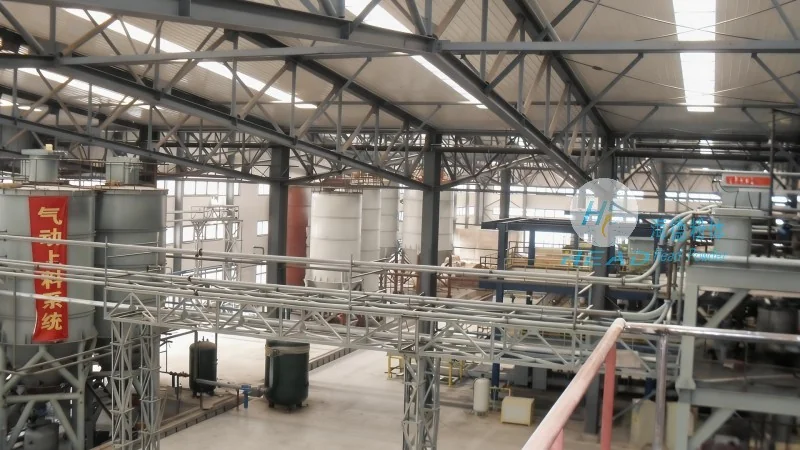
Despite its advantages, positive pressure conveying has some drawbacks. The high energy consumption can increase operational costs, especially for facilities with extensive conveying networks. The equipment, such as high-pressure blowers and robust pipelines, requires regular maintenance to prevent leaks and ensure optimal performance. Furthermore, the system may generate more noise and air pollution, which can be a concern in industrial settings. In addition, the positive pressure can cause material degradation if the air temperature is too high, potentially affecting the quality of the sugar product.
Exploring Negative Pressure Conveying
Negative pressure conveying, or vacuum pneumatic conveying, works by creating a vacuum in the conveying line to draw material from the source. This method is often used for shorter distances and for materials that are sensitive to pressure or temperature changes. In the sugar industry, negative pressure conveying is suitable for transferring sugar from a hopper to a conveyor or for moving sugar to a storage area. The system typically includes a vacuum pump, a hopper, and a pipeline. The vacuum draws the material into the system, which can be more energy-efficient compared to positive pressure systems. However, it may not be as effective for long-distance transport or for materials with high moisture content.
Advantages of Negative Pressure Conveying
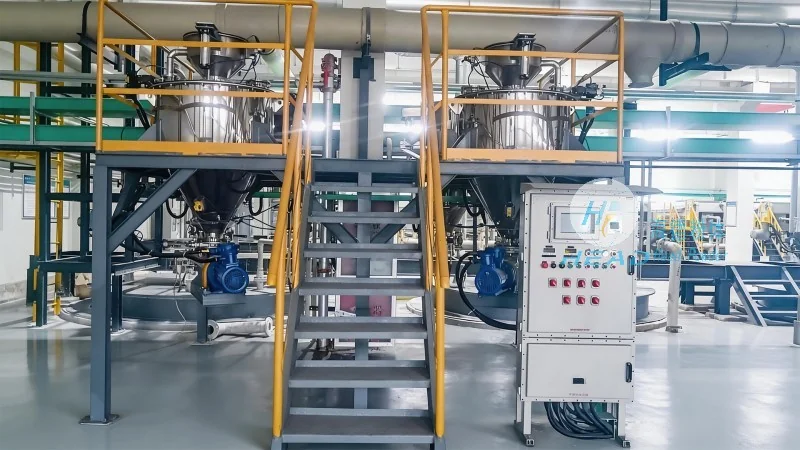
One of the main advantages of negative pressure conveying is its lower energy consumption compared to positive pressure systems. The vacuum pump requires less power to operate, making it a cost-effective solution for shorter conveying distances. This method is also gentler on the material, as it avoids the high pressure that can cause degradation or damage to sensitive sugar particles. Negative pressure conveying is particularly useful for handling fine or dusty sugar, as the vacuum helps to prevent dust dispersion and maintain a clean environment. Additionally, the system is easier to install and maintain, as it does not require high-pressure components.
Limitations of Negative Pressure Conveying
However, negative pressure conveying has its limitations. The system is less effective for long-distance transport, as the vacuum can decrease significantly over longer distances, leading to reduced material flow rates. This makes it unsuitable for large-scale sugar processing facilities that require extensive material movement. The vacuum system also requires careful design to prevent air leaks, which can affect the efficiency and safety of the operation. Furthermore, the negative pressure can cause material segregation if the pipeline is not properly designed, leading to uneven material distribution. In addition, the system may not be as effective for handling sticky or moist sugar, as the vacuum may not be strong enough to draw the material through the pipeline.
Comparative Analysis: Positive vs. Negative Pressure Conveying
When comparing positive and negative pressure conveying for sugar, several factors must be considered. The choice between the two methods depends on the specific application, distance, material characteristics, and operational costs. Positive pressure conveying is generally more suitable for long-distance, high-capacity transport, while negative pressure conveying is better for shorter distances and more delicate materials. The energy consumption is a key factor, with positive pressure systems requiring more power but offering higher efficiency for long distances. Maintenance costs also differ, as positive pressure systems have more complex components that need regular servicing. In terms of material handling, positive pressure is better for handling coarse or sticky sugar, while negative pressure is gentler for fine or dusty sugar.
Application Examples in the Sugar Industry
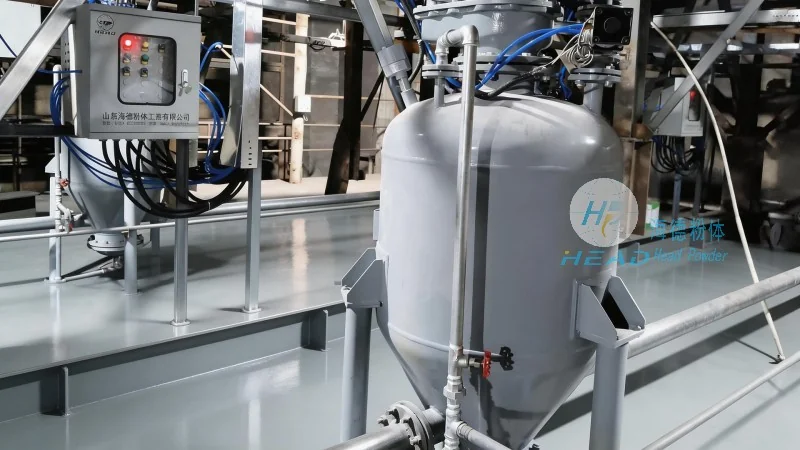
HeadPowder has extensive experience in implementing both positive and negative pressure conveying systems for sugar processing facilities. For example, a large sugar refinery in Shandong, China, used a positive pressure system to transport raw sugar from storage silos to the milling section, achieving a conveying capacity of 100 tons per hour. The system was designed with high-pressure blowers and robust pipelines to ensure reliable operation over a distance of 500 meters. In another project, a smaller sugar processing plant opted for a negative pressure system to transfer refined sugar to packaging lines, reducing energy consumption by 30% compared to a positive pressure system. The negative pressure system was chosen for its lower cost and gentler handling of fine sugar particles.
Conclusion and Recommendations
Both positive and negative pressure conveying methods have their place in the sugar industry, and the choice depends on the specific requirements of the facility. Positive pressure conveying is ideal for large-scale, long-distance transport with high material capacity, while negative pressure conveying is suitable for shorter distances and more delicate materials. HeadPowder, with its expertise in material handling systems, can provide customized solutions that optimize the performance and efficiency of pneumatic conveying systems for sugar processing. By carefully evaluating the application, distance, and material characteristics, facilities can select the most appropriate conveying method to ensure smooth operations and high-quality sugar production.