

Positive Pressure and Negative Pressure Conveying of Steel Sands: A Comparative Analysis of Two Pneu
Pneumatic conveying is a widely used method for transporting bulk materials through a pipeline using air or other gases. This technology is essential in various industries, including mining, construction, and manufacturing, where materials like steel sands need to be moved efficiently and safely. The two primary methods of pneumatic conveying are positive pressure and negative pressure systems, each with distinct characteristics and applications. This analysis will delve into the differences between these two approaches, focusing on their mechanisms, advantages, and practical considerations for steel sand transportation.
Understanding Positive Pressure Conveying
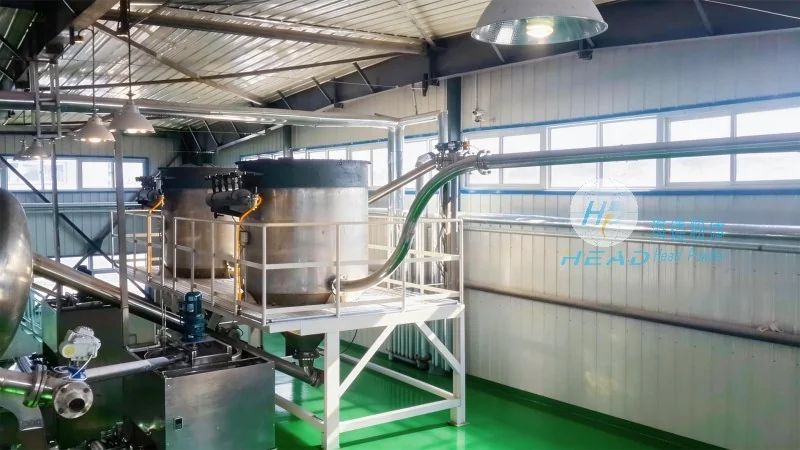
Positive pressure conveying, also known as pressure pneumatic conveying, operates by blowing air or gas into the conveying line at a pressure higher than the ambient air pressure. The material is fed into the system, and the pressurized air propels the steel sands through the pipeline. This method is particularly effective for long-distance and high-capacity transportation, as it can maintain a consistent flow rate and handle abrasive materials like steel sands without significant wear on the equipment. HeadPowder, a leading provider of engineering solutions, specializes in designing and manufacturing positive pressure conveying systems tailored to the demands of steel sand processing. Their expertise ensures that these systems are optimized for efficiency, reliability, and durability in industrial settings.
Advantages of Positive Pressure Conveying for Steel Sands
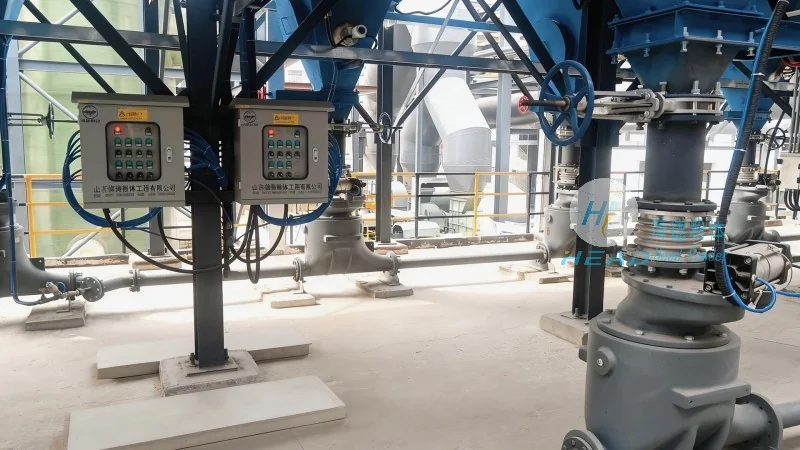
One of the key advantages of positive pressure conveying is its ability to handle abrasive materials with minimal wear on the pipeline and components. The high-pressure air flow helps to maintain the integrity of the steel sands, preventing segregation and ensuring a uniform flow. Additionally, this method is suitable for long-distance transport, often covering distances of several kilometers without the need for intermediate storage or transfer points. HeadPowder's positive pressure systems are engineered to maximize material throughput while minimizing energy consumption, making them an economical choice for large-scale steel sand operations. The company's commitment to quality and innovation has positioned them as a trusted partner for industries requiring robust and efficient material handling solutions.
Exploring Negative Pressure Conveying
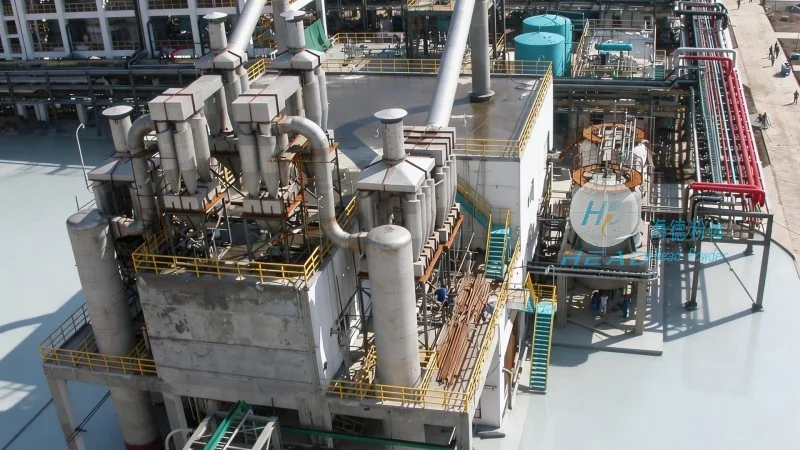
Negative pressure conveying, or vacuum pneumatic conveying, works by creating a vacuum in the conveying line, which draws the material into the system. The material is typically fed into a hopper or feeder, and the vacuum pulls the steel sands through the pipeline. This method is often used for shorter distances and for materials that are less abrasive or require gentle handling. The primary advantage of negative pressure conveying is its ability to handle materials that are sensitive to pressure or that need to be transported in a controlled, low-pressure environment. However, it may not be as effective for long-distance or high-capacity applications due to limitations in vacuum pressure and potential issues with material segregation.
Advantages and Limitations of Negative Pressure Conveying
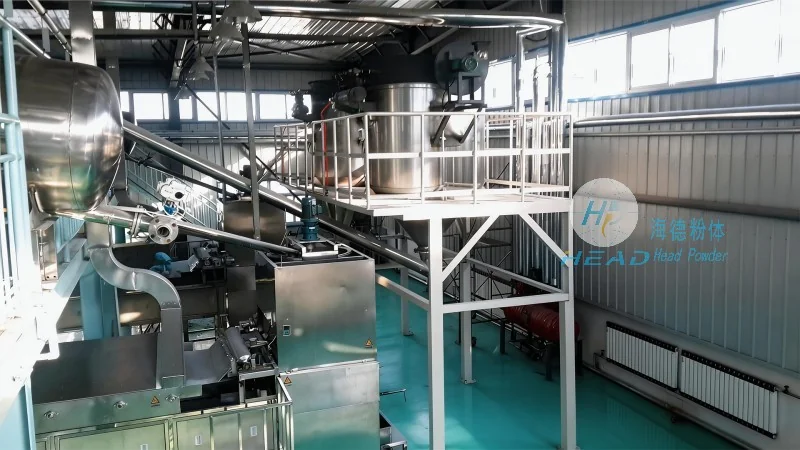
For steel sand applications, negative pressure conveying offers the benefit of gentler material handling, which can be advantageous when dealing with materials that are prone to degradation or when the system needs to operate in a low-pressure environment. HeadPowder also provides negative pressure conveying solutions, designed to handle materials with lower abrasiveness or for applications where vacuum systems are preferred. The company's negative pressure systems are built to ensure efficient material transport while maintaining the quality of the steel sands. However, it is important to note that negative pressure conveying may have lower throughput compared to positive pressure systems, making it more suitable for smaller-scale operations or for specific applications where the distance and material characteristics dictate its use.