

Principles and Classification Applications of Gypsum Particle Pneumatic Conveying
Understanding the efficient and reliable transport of gypsum particles is crucial for various industrial processes. This article delves into the fundamental principles of pneumatic conveying systems designed for gypsum, along with their classification and practical applications. By exploring these aspects, we aim to provide a comprehensive overview that highlights the technical aspects and real-world implications of gypsum particle pneumatic conveying.
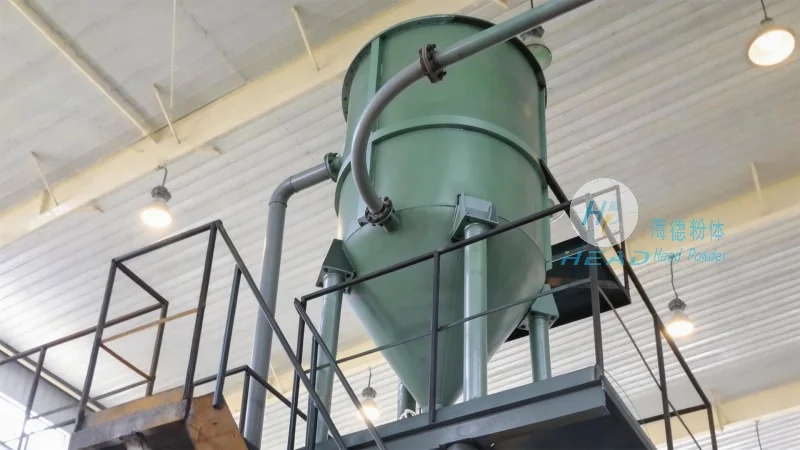
Introduction to Gypsum Particle Pneumatic Conveying Systems
Gypsum particle pneumatic conveying systems utilize air or gas as the medium to transport dry or semi-dry gypsum particles from one location to another. This method offers several advantages over traditional mechanical conveying, such as reduced equipment wear, lower maintenance costs, and the ability to handle fine or dusty materials without the risk of clogging. The core of these systems lies in the interaction between the material, the conveying air, and the system components, which work together to ensure smooth and efficient material transport.
Understanding the Basic Principles of Pneumatic Conveying
The fundamental principle of pneumatic conveying is the creation of a pressure differential that propels the gypsum particles through a pipeline. In a typical system, air is introduced into the conveying line at a controlled velocity, creating a flow that entrains the particles. The key factors influencing the performance of these systems include air velocity, particle size, density, and the system's pressure or vacuum level. Proper design and operation of the conveying system are essential to maintain optimal flow rates and prevent issues like particle degradation or system blockages.
Classification of Pneumatic Conveying Systems for Gypsum Particles
Pneumatic conveying systems for gypsum particles can be broadly classified into several categories based on their operating principles and pressure characteristics. The most common types include:
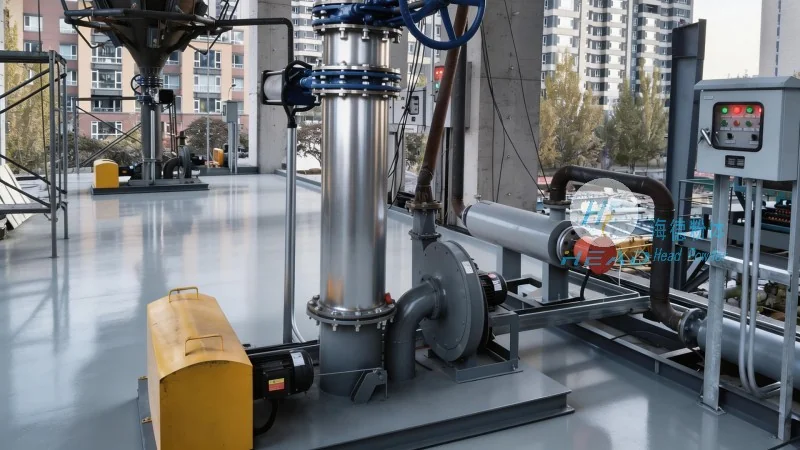
Positive Pressure Systems: These systems operate by blowing air or gas into the conveying line, creating a positive pressure that pushes the particles forward. They are suitable for short to medium distances and can handle a wide range of particle sizes. Positive pressure systems are often preferred for applications where the material is sensitive to moisture or where the system needs to maintain a clean environment.
Negative Pressure (Vacuum) Systems: In contrast, negative pressure systems use a vacuum to draw the gypsum particles into the conveying line. This method is ideal for applications requiring the transport of materials from multiple sources or over longer distances, as it can effectively capture and transport particles from various points. Negative pressure systems are commonly used in industries where dust control is a priority, as they minimize the risk of material spillage or release.
Mixed-Pressure Systems: These systems combine elements of both positive and negative pressure, offering flexibility in handling different material characteristics and system requirements. By adjusting the pressure levels, mixed-pressure systems can optimize performance for specific applications, such as transporting gypsum particles with varying moisture content or particle sizes.
Practical Applications and Industry Integration
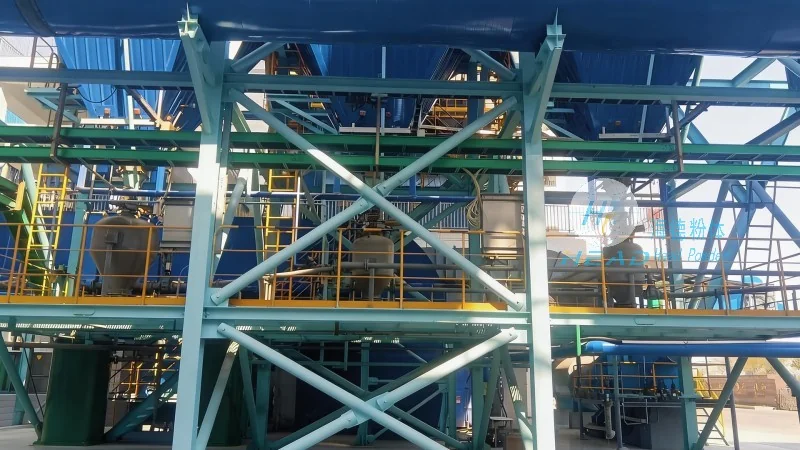
Gypsum particle pneumatic conveying systems find extensive applications across various industries, including construction, manufacturing, and mining. In the construction sector, these systems are widely used for transporting gypsum powder to manufacturing plants or construction sites, ensuring consistent quality and reduced handling time. The ability to handle fine gypsum particles efficiently makes them ideal for producing drywall, plaster, and other building materials.
In the manufacturing industry, pneumatic conveying is utilized for transporting gypsum from storage silos to processing equipment, such as grinding mills or mixing units. This method enhances production efficiency by minimizing downtime and ensuring a steady supply of raw materials. Additionally, the systems help maintain a clean and controlled environment, which is critical for maintaining product quality and adhering to industry standards.
For mining operations, pneumatic conveying systems are employed to transport gypsum ore from extraction sites to processing facilities. The systems can handle large volumes of material over long distances, reducing the need for traditional trucking or conveyor belts. This not only improves operational efficiency but also minimizes environmental impact by reducing dust emissions and noise pollution.
Company Profile: Shandong HeadPowder Engineering Co., Ltd.
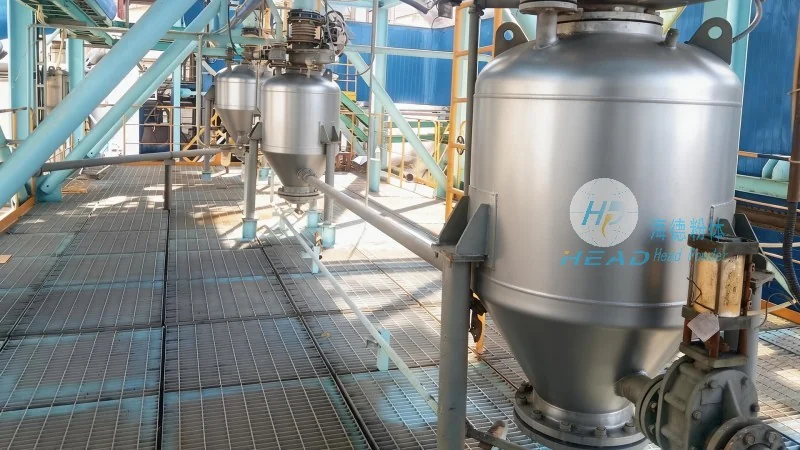
Shandong HeadPowder Engineering Co., Ltd., commonly known as headpowder, is a leading provider of specialized engineering solutions for material handling and processing. With a strong focus on innovation and customer satisfaction, the company has established itself as a trusted partner in the industry. Headpowder specializes in designing and manufacturing pneumatic conveying systems tailored to the unique needs of its clients, including those in the gypsum processing sector.
Headpowder's expertise lies in the development of customized solutions that address the specific challenges of gypsum particle transport. The company's team of engineers and technicians work closely with clients to understand their operational requirements and provide tailored system designs. By leveraging advanced technology and rigorous testing, headpowder ensures that its pneumatic conveying systems meet the highest standards of performance, reliability, and safety.
Headquartered in Shandong, China, headpowder operates from a state-of-the-art facility equipped with modern manufacturing equipment and testing capabilities. The company's commitment to quality and customer service has earned it a reputation for delivering reliable and efficient solutions that enhance the productivity and profitability of its clients. With a global presence and a dedication to continuous improvement, headpowder remains at the forefront of material handling technology, providing innovative solutions for the ever-evolving needs of the industry.