

Principles and Classification Applications of Pneumatic Conveying for Lithium-Ion Battery Cathode Ma
HeadPowder, a leading engineering company based in Shandong, China, specializes in advanced material handling solutions, particularly pneumatic conveying systems tailored for the lithium-ion battery industry. This article provides an in-depth overview of the working principles and classification applications of pneumatic conveying for lithium-ion battery cathode materials, highlighting the technical aspects and practical implementations in modern battery manufacturing processes.
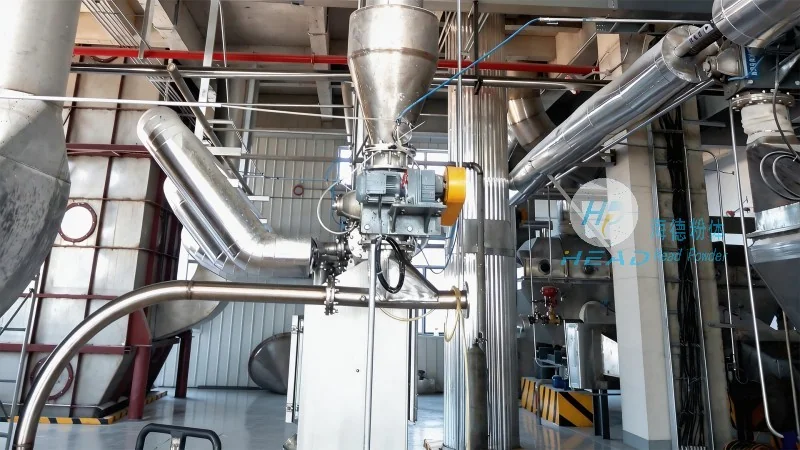
Pneumatic Conveying: A Fundamental Technology for Material Handling
Pneumatic conveying is a method of transporting bulk materials through a pipeline using a stream of pressurized or vacuum air. It offers several advantages over traditional mechanical conveying systems, such as reduced equipment wear, lower maintenance costs, and the ability to handle materials that are sensitive to moisture or contamination. For lithium-ion battery cathode materials, which often include powders like lithium cobalt oxide (LCO), lithium nickel manganese cobalt oxide (NMC), and lithium iron phosphate (LFP), pneumatic conveying is a critical technology for ensuring efficient and safe material transport from storage to processing units.
Core Working Principles of Pneumatic Conveying Systems
The fundamental principle of pneumatic conveying involves creating a flow of air within a pipeline that moves the material particles. There are two primary types of pneumatic conveying systems: pressure and vacuum. Pressure systems use positive pressure to push material through the pipeline, while vacuum systems use negative pressure to pull material. The choice between these systems depends on factors such as the material's properties, the distance to be conveyed, and the required flow rate. In the context of lithium-ion battery cathode materials, pressure systems are commonly employed due to their ability to handle abrasive and high-density powders effectively.
Key Components and Operational Mechanisms
A typical pneumatic conveying system consists of several key components, including a material feed hopper, a conveyor line (pipeline), a blower or air compressor, and a receiver or discharge hopper. The material is fed into the system from the hopper, where it is then entrained by the moving air stream. The air and material mixture travels through the pipeline, with the air velocity maintained at a level sufficient to keep the particles suspended and prevent clogging. At the receiving end, the air is separated from the material, often through a cyclone separator or a filter, and the material is collected in the discharge hopper. This process ensures that the cathode material is transported without degradation, maintaining its chemical and physical properties essential for battery performance.
Classification of Pneumatic Conveying Systems for Cathode Materials
Pneumatic conveying systems for lithium-ion battery cathode materials can be classified based on several factors, including the conveying pressure, the material's particle size and density, and the required flow rate. The main classifications include:
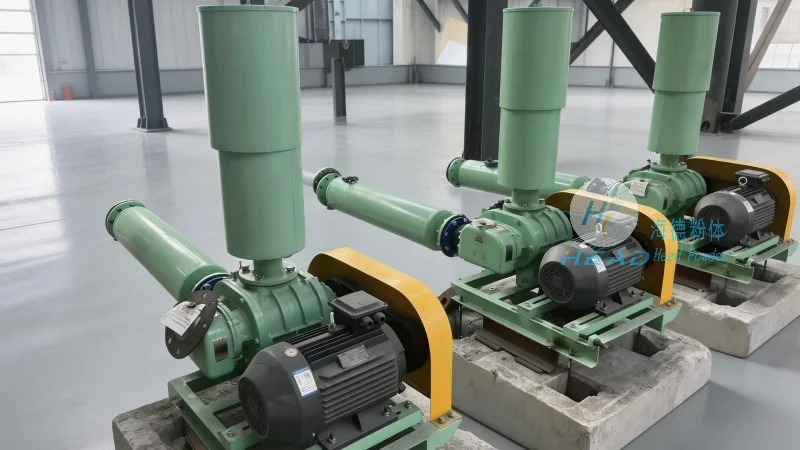
1. Dilute Phase Pneumatic Conveying
Dilute phase systems operate at relatively low air velocities (typically 20-30 m/s) and high material-to-air ratios. They are suitable for conveying fine powders over short to medium distances. In the context of cathode materials, dilute phase systems are often used for transporting LCO or NMC powders from storage silos to mixing or coating lines. The low pressure requirements make these systems energy-efficient and cost-effective for short-distance applications.
2. Dense Phase Pneumatic Conveying
Dense phase systems operate at higher air velocities (up to 100 m/s) and lower material-to-air ratios, resulting in a higher material concentration in the pipeline. This method is ideal for conveying abrasive or high-density materials over longer distances without causing excessive wear on the pipeline or equipment. For lithium-ion battery cathode materials, dense phase systems are commonly used for transporting LFP powders or other high-density cathode precursors from processing units to packaging or storage areas. The higher pressure and velocity ensure that the material is moved efficiently while minimizing particle degradation.
3. Vacuum Pneumatic Conveying
Vacuum systems use negative pressure to draw material from a source, such as a storage bin or a processing line, into the pipeline. They are particularly useful for applications where the material needs to be transferred from a higher elevation to a lower one or where the material is sensitive to air exposure. In the lithium-ion battery industry, vacuum systems are often employed for conveying cathode materials from mixing or coating equipment to drying or packaging units. The ability to control the suction rate allows for precise material handling, ensuring that the material flow is consistent and controlled.
Application Scenarios in Lithium-Ion Battery Manufacturing
The application of pneumatic conveying systems for lithium-ion battery cathode materials varies depending on the stage of the manufacturing process. Some key applications include:
1. Material Transfer from Storage to Processing
After cathode materials are produced or purchased, they are typically stored in bulk silos. Pneumatic conveying systems are used to transfer these materials from the storage silos to the processing lines, such as mixing, coating, or drying. This step is critical for ensuring that the materials are transported without contamination and that the flow rate is consistent with the production requirements. The use of pressure systems allows for efficient and reliable material transfer, even for high-volume production lines.
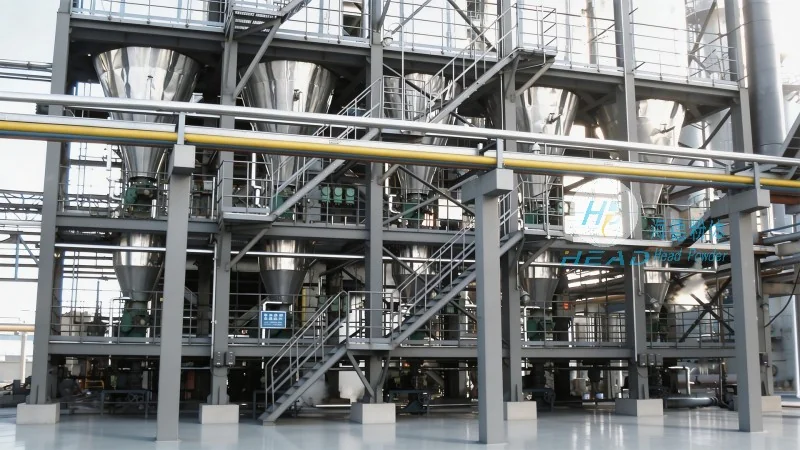
2. In-Process Material Handling
During the manufacturing process, cathode materials may need to be transferred between different processing units, such as from a mixing machine to a coating line or from a drying oven to a packaging machine. Pneumatic conveying systems provide a flexible and efficient method for handling these in-process materials. The ability to adjust the air pressure and flow rate allows for precise control over the material movement, ensuring that the materials are transferred without degradation or loss.
3. Final Product Packaging
Once the cathode materials have been processed and prepared for use in lithium-ion batteries, they need to be packaged for distribution. Pneumatic conveying systems can be used to transfer the final product from the processing line to the packaging area. This step ensures that the materials are handled gently and that the packaging process is efficient and consistent. The use of dense phase systems is often preferred for final product packaging to maintain the material's quality and prevent contamination.
Benefits and Considerations for Pneumatic Conveying in Cathode Material Handling
Pneumatic conveying systems offer several benefits for handling lithium-ion battery cathode materials, including:
1. **Reduced Contamination:** The enclosed pipeline system prevents the material from coming into contact with the environment, reducing the risk of contamination from moisture, dust, or other particles.
2. **Energy Efficiency:** Compared to mechanical conveying systems, pneumatic conveying can be more energy-efficient, especially for short to medium distance applications.
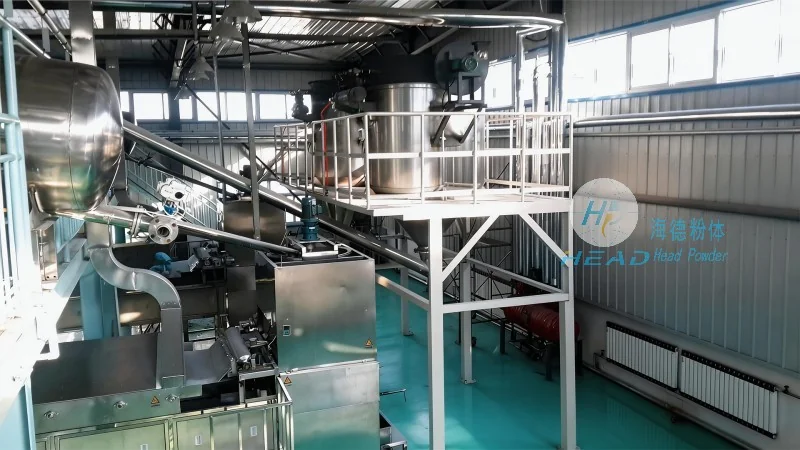
3. **Flexibility:** Pneumatic systems can be easily modified or expanded to accommodate changes in production volume or material types.
4. **Low Maintenance:** The absence of moving parts in the pipeline reduces wear and tear, leading to lower maintenance costs.
However, there are also considerations to keep in mind when implementing pneumatic conveying systems for cathode materials. These include the need for proper air filtration to prevent dust accumulation, the potential for material degradation due to high air velocities, and the requirement for regular system maintenance to ensure optimal performance.
Conclusion
Pneumatic conveying is a vital technology in the lithium-ion battery industry, enabling the efficient and safe handling of cathode materials. The choice of system type—dilute phase, dense phase, or vacuum—depends on the specific requirements of the application, including material properties, distance, and flow rate. By understanding the working principles and classification applications of pneumatic conveying, manufacturers can optimize their material handling processes, ensuring high-quality cathode materials and efficient production lines. HeadPowder, with its expertise in engineering and material handling solutions, provides tailored pneumatic conveying systems that meet the unique needs of lithium-ion battery manufacturers, supporting the advancement of battery technology and the growing demand for clean energy solutions.