

Working Principle and Classification Application of Dry Desulfurizer Pneumatic Conveying
Understanding the working principles and application classifications of dry desulfurizer pneumatic conveying is crucial for optimizing industrial processes, particularly in power generation and environmental protection sectors. This article provides an in-depth overview of the technology, focusing on the mechanisms involved and the diverse applications across various industries.
Introduction to Dry Desulfurizer Pneumatic Conveying
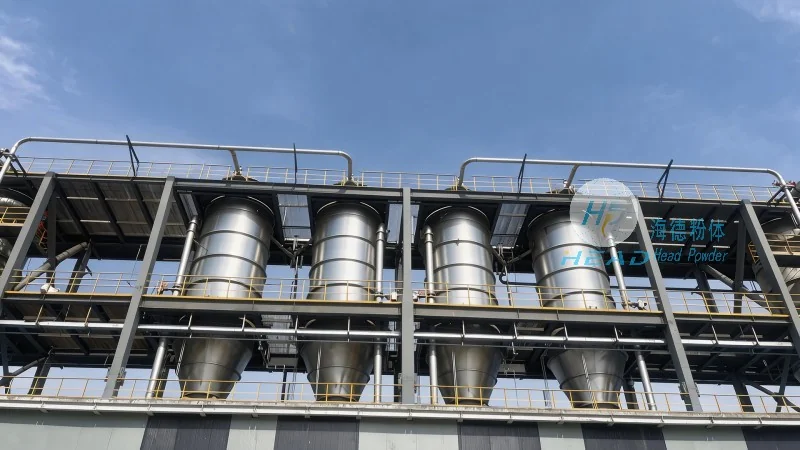
Dry desulfurization is a key technology in reducing sulfur dioxide emissions from combustion processes, such as those in coal-fired power plants. The process involves the use of dry sorbents to capture sulfur compounds from flue gases. Pneumatic conveying is a method used to transport these dry desulfurizers efficiently from storage to the point of use. This technology combines the benefits of dry sorbent injection with the advantages of pneumatic transport, ensuring reliable and cost-effective operation.
HeadPowder: A Leading Provider of Dry Desulfurizer Solutions
Shandong HeadPowder Engineering Co., Ltd. is a prominent company in the field of dry desulfurizer technology. Based in China, the company specializes in the design, manufacturing, and supply of advanced dry desulfurizer systems. With a strong commitment to innovation and quality, HeadPowder has established itself as a trusted partner for industries seeking to enhance their environmental compliance and operational efficiency.
Working Principle of Pneumatic Conveying for Dry Desulfurizers
The core principle of pneumatic conveying involves the use of air or other gases to transport dry materials through a pipeline system. In the context of dry desulfurizers, the process typically starts with the storage of the sorbent material in a silo or hopper. A blower or compressor generates the necessary airflow, which is then directed into the conveying line. The dry desulfurizer particles are then introduced into the airflow and carried through the pipeline to the injection point. The system may use different conveying modes, such as dilute phase or dense phase, depending on the material characteristics and distance to be covered.
Classification of Pneumatic Conveying Systems for Dry Desulfurizers
Pneumatic conveying systems for dry desulfurizers can be classified based on several factors, including the conveying mode, material properties, and operational requirements. The main categories include:
Dilute Phase Pneumatic Conveying
This mode involves transporting the dry desulfurizer particles in a low concentration within the air stream. It is suitable for short to medium distances and materials with good flowability. The system typically uses high-velocity air to move the particles, ensuring efficient transport with minimal pressure drop.
Dense Phase Pneumatic Conveying
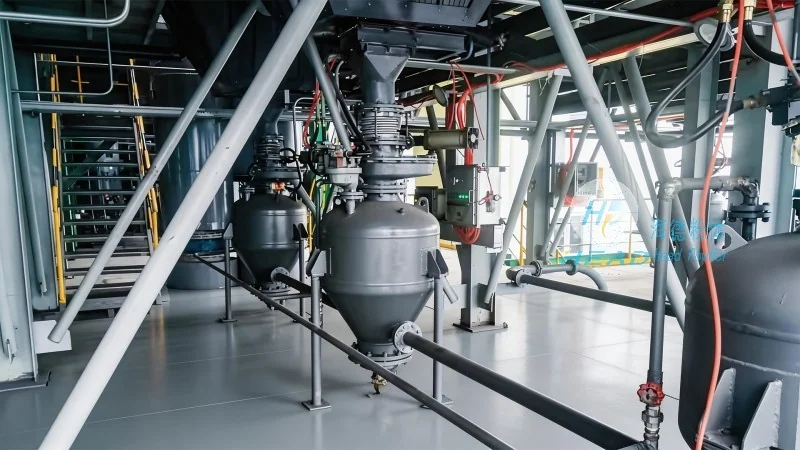
Unlike dilute phase, dense phase conveying operates at lower velocities and higher particle concentrations. This method is ideal for longer distances and materials that are prone to segregation or degradation. The system uses a series of valves and pressure control mechanisms to maintain a stable flow, preventing material degradation and ensuring consistent performance.
Pressure-Driven and Vacuum-Driven Systems
Pneumatic conveying systems can also be classified by the driving force used. Pressure-driven systems use compressed air to push the material through the pipeline, while vacuum-driven systems use suction to draw the material from the source. Each type has its advantages and is selected based on the specific application requirements, such as the distance, material characteristics, and available infrastructure.
Application Scenarios of Dry Desulfurizer Pneumatic Conveying
The versatility of dry desulfurizer pneumatic conveying makes it applicable in various industrial settings. Some common applications include:
Coal-Fired Power Plants
In coal-fired power plants, dry desulfurizer systems are used to reduce sulfur dioxide emissions from flue gases. The pneumatic conveying system efficiently transports the dry sorbent from storage to the injection point in the boiler, ensuring optimal desulfurization efficiency. This technology helps power plants meet stringent environmental regulations while maintaining operational reliability.
Industrial Boilers and Heaters
Industrial boilers and heaters, used in manufacturing and process industries, also benefit from dry desulfurizer pneumatic conveying. The system allows for the continuous injection of sorbents, improving the overall efficiency of the desulfurization process and reducing maintenance costs associated with wet systems.
Waste-to-Energy Facilities
Waste-to-energy facilities, which convert waste into energy, often use dry desulfurization to control emissions. The pneumatic conveying technology ensures that the dry desulfurizer is delivered to the combustion chamber efficiently, contributing to the reduction of harmful pollutants and enhancing the sustainability of the facility.
Advantages of Dry Desulfurizer Pneumatic Conveying
Implementing dry desulfurizer pneumatic conveying offers several advantages over traditional methods. These include:
Efficient Material Transport
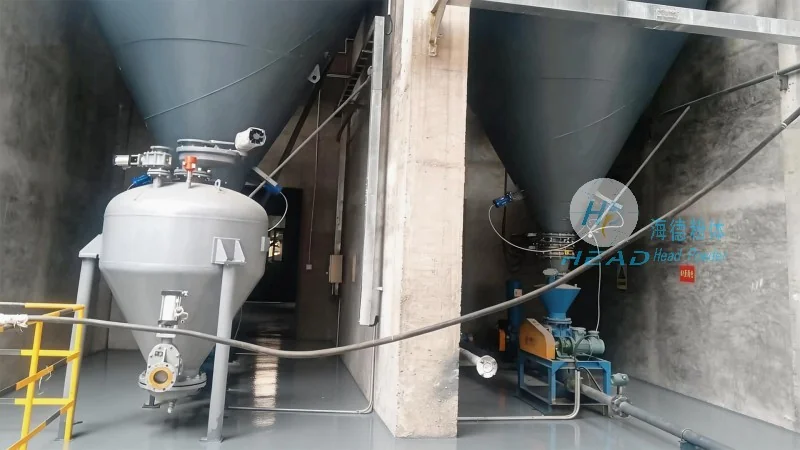
The pneumatic system provides a continuous and reliable method for transporting dry desulfurizers, eliminating the need for manual handling and reducing the risk of material loss or contamination.
Reduced Maintenance and Operational Costs
Compared to wet desulfurization systems, dry systems have lower maintenance requirements and lower operational costs. The absence of water handling and slurry management reduces the complexity and cost of operation.
Enhanced Environmental Performance
By effectively capturing sulfur compounds, dry desulfurizer systems contribute to improved air quality and compliance with environmental regulations. The technology supports the transition to cleaner energy and sustainable industrial practices.
Conclusion
Understanding the working principles and classification applications of dry desulfurizer pneumatic conveying is essential for industries aiming to enhance their environmental performance and operational efficiency. With advanced technologies and expert solutions from companies like Shandong HeadPowder Engineering Co., Ltd., the implementation of dry desulfurizer systems has become more accessible and effective. By leveraging the benefits of pneumatic conveying, industries can achieve reliable and cost-effective sulfur dioxide reduction, contributing to a cleaner and more sustainable future.