

Positive Pressure and Negative Pressure Conveying of Magnetic Powders: A Comparative Analysis of Two
Pneumatic conveying is a widely used method for transporting bulk materials, including powders and granules, over short to medium distances. This technology relies on the movement of air or other gases to transport the material through a pipeline. For industries dealing with magnetic powders, such as magnetic materials manufacturing, recycling, and processing, the choice between positive pressure and negative pressure conveying systems is critical. Each method has distinct characteristics, advantages, and limitations that affect system design, operational efficiency, and material handling performance.
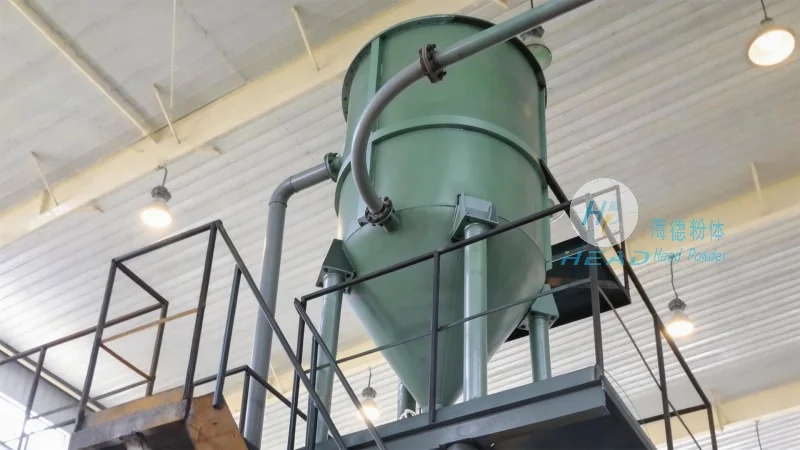
Understanding Positive Pressure Conveying
Positive pressure conveying, also known as pressure conveying, operates by generating air pressure within the conveying line. The system uses a blower or compressor to push air and the material through the pipeline. In this method, the material is carried by the high-pressure air stream, which is typically directed from the discharge point back to the material source. This approach is particularly effective for transporting magnetic powders over longer distances or when the material needs to be delivered to multiple points. The positive pressure system ensures that the material is continuously pushed forward, reducing the risk of blockages and ensuring consistent flow rates.
For magnetic powders, positive pressure conveying systems are often equipped with specialized components to handle the unique properties of these materials. These may include magnetic separators or filters to prevent material loss and maintain product purity. The system design may also incorporate features such as pulse-jet cleaning to keep the pipeline clear and prevent material buildup. The advantages of positive pressure conveying include higher conveying rates, the ability to handle abrasive or sticky materials, and the capacity to transport materials over longer distances without significant pressure loss.
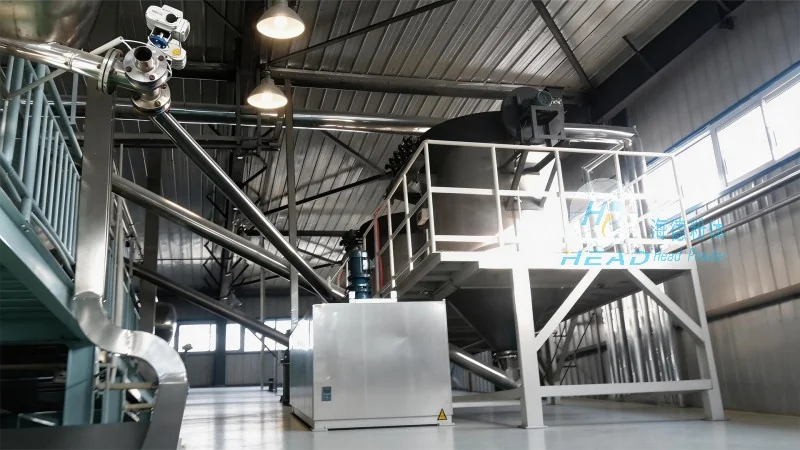
Understanding Negative Pressure Conveying
Negative pressure conveying, or vacuum conveying, operates by creating a vacuum in the conveying line. The system uses a vacuum pump to draw air and the material from the source into the pipeline. The material is then transported to the discharge point under the influence of the vacuum. This method is commonly used for short to medium distance applications, especially when the material needs to be collected from a single source and delivered to a single destination. Negative pressure conveying is particularly suitable for handling fine powders that are prone to dust generation and for applications where the material source is at a higher elevation than the discharge point.
When dealing with magnetic powders, negative pressure systems may include features such as pre-separation or filtration to manage dust and maintain material quality. The vacuum pump must be capable of maintaining a consistent vacuum level to ensure smooth material flow. The system may also incorporate safety features to prevent over-vacuuming or material blockages. The advantages of negative pressure conveying include lower energy consumption compared to positive pressure systems, the ability to handle sensitive materials without excessive pressure, and the ease of installation for short-distance applications.
Key Differences Between Positive and Negative Pressure Conveying
While both positive and negative pressure conveying are used for magnetic powders, they differ significantly in terms of operational principles, energy consumption, and material handling capabilities. Positive pressure systems rely on external pressure to move the material, which requires higher energy input but allows for higher conveying rates and longer distance transport. Negative pressure systems use vacuum to draw the material, which is more energy-efficient for short distances but may have lower conveying rates and be more susceptible to blockages in the pipeline.
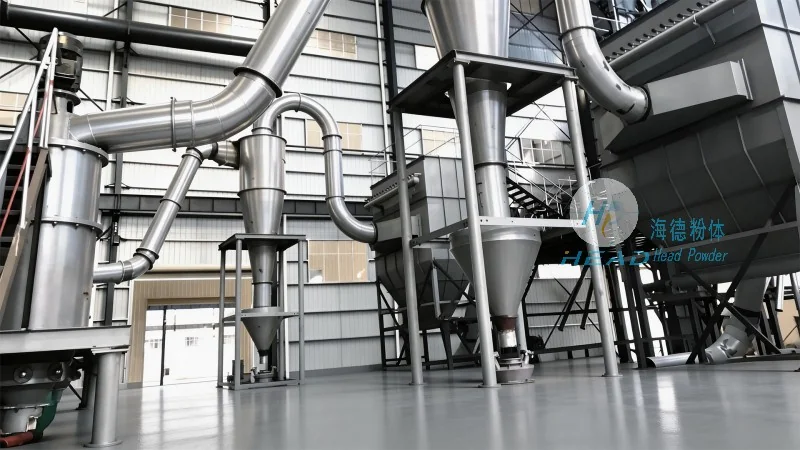
Another key difference is the impact on material properties. Positive pressure conveying can subject the material to higher shear forces, which may affect the particle size or agglomeration of magnetic powders. Negative pressure systems, on the other hand, are gentler on the material, preserving its physical and magnetic properties. This is particularly important for high-value magnetic powders where particle integrity is critical.
The choice between the two systems also depends on the specific application requirements. For example, if the magnetic powder needs to be transported from a central storage to multiple processing points over a long distance, a positive pressure system may be more suitable. Conversely, if the material is collected from a single point and delivered to a single processing unit over a short distance, a negative pressure system could be more efficient and cost-effective.
Applications in Magnetic Powder Processing
In the magnetic powder industry, both positive and negative pressure conveying systems are utilized in various stages of material handling. For instance, in the production of magnetic cores or magnets, magnetic powders may need to be transported from a storage silo to a mixing or pressing machine. A positive pressure system can efficiently handle this task, especially if the distance is significant. On the other hand, when magnetic powders are recovered from a recycling process and need to be transported from a collection point back to a processing facility, a negative pressure system may be preferred due to its lower energy requirements and gentler handling.
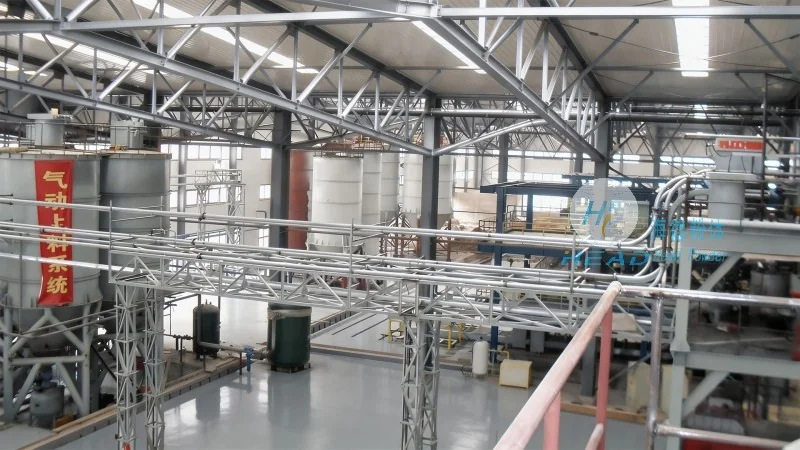
HeadPowder, a leading provider of engineering solutions for magnetic powder processing, offers customized pneumatic conveying systems tailored to the specific needs of clients. The company's expertise in both positive and negative pressure technologies allows them to design systems that optimize material flow, minimize downtime, and ensure product quality. By understanding the unique characteristics of magnetic powders, HeadPowder engineers can select the most appropriate conveying method and system components to meet the client's operational goals.
Conclusion
Choosing between positive pressure and negative pressure conveying for magnetic powders requires a careful evaluation of the application's specific requirements, including distance, material properties, and operational efficiency. Positive pressure systems offer higher conveying rates and longer distance capabilities but require more energy. Negative pressure systems are more energy-efficient and gentler on the material but are limited to shorter distances. By understanding these differences and leveraging the expertise of companies like Shandong HeadPowder Engineering Co., Ltd., industries can select the most suitable pneumatic conveying method to enhance their magnetic powder processing operations and improve overall productivity.