

What Comprises the Pneumatic Conveying of Barium Sulfate
Understanding the components of pneumatic conveying systems for barium sulfate is crucial for optimizing material handling processes in industrial applications. This article provides a detailed overview of the key elements that constitute such systems, focusing on the technical and operational aspects that ensure efficient and reliable transport of barium sulfate particles.
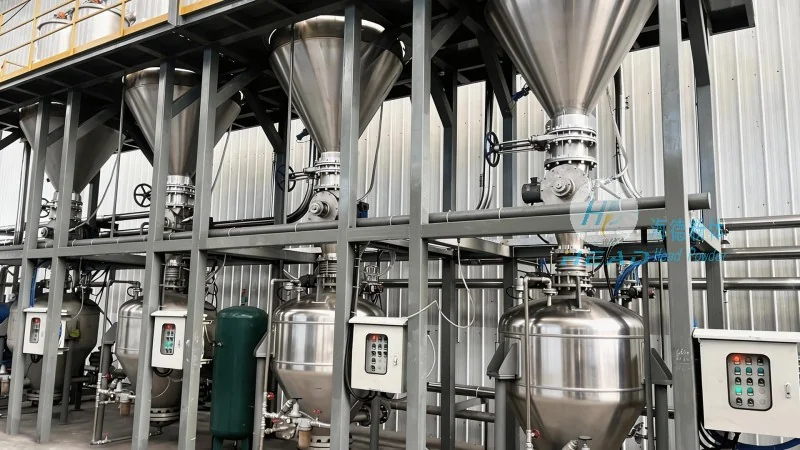
Key Components of Barium Sulfate Pneumatic Conveying Systems
The pneumatic conveying of barium sulfate typically involves several core components that work in tandem to facilitate the movement of the material. These components are designed to handle the specific properties of barium sulfate, such as its density, particle size, and flow characteristics. The primary components include:
1. Material Hopper and Feeder
The material hopper serves as the storage container for the barium sulfate, providing a reservoir that feeds the material into the conveying system. It is typically equipped with a feeder mechanism, such as a rotary valve or a screw feeder, which regulates the flow rate of the material into the conveying line. The hopper design is crucial for maintaining consistent material levels and preventing blockages, especially given the potential for barium sulfate to agglomerate under certain conditions. The feeder ensures a steady and controlled supply of material, which is essential for maintaining the efficiency of the pneumatic conveying process.
2. Conveying Line and Tubing
The conveying line, often made of stainless steel or other corrosion-resistant materials, forms the main pathway for transporting the barium sulfate particles. The tubing is designed to withstand the pressure and flow dynamics of the conveying system, ensuring minimal friction loss and preventing material degradation. The diameter and length of the conveying line are critical factors that influence the system's capacity and efficiency. Proper sizing of the tubing is essential to maintain the appropriate air velocity to keep the barium sulfate in suspension, avoiding issues like clogging or material deposition.
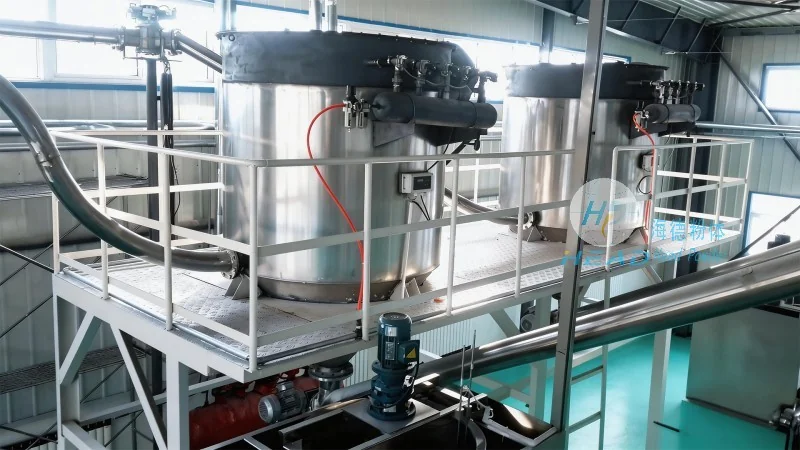
3. Air Supply System
The air supply system is a vital component that generates the necessary airflow to move the barium sulfate particles through the conveying line. This system typically includes a blower or a positive displacement compressor, which provides the pressure and volume of air required for the conveying process. The air is often filtered and conditioned to remove contaminants that could affect the purity of the barium sulfate or damage the system components. The air supply system must be capable of delivering consistent air pressure and flow rates, as fluctuations can lead to uneven material transport or system inefficiencies.
4. Separation and Collection Equipment
At the receiving end of the pneumatic conveying system, separation and collection equipment is used to separate the barium sulfate from the air stream and collect it in a designated container. This equipment may include a cyclone separator, a bag filter, or a combination of both. The cyclone separator uses centrifugal force to separate the heavier barium sulfate particles from the air, while the bag filter captures any fine particles that may have escaped the cyclone. The design of the separation equipment is critical to ensure high collection efficiency and to prevent dust emissions, which is important for maintaining a clean and safe working environment.
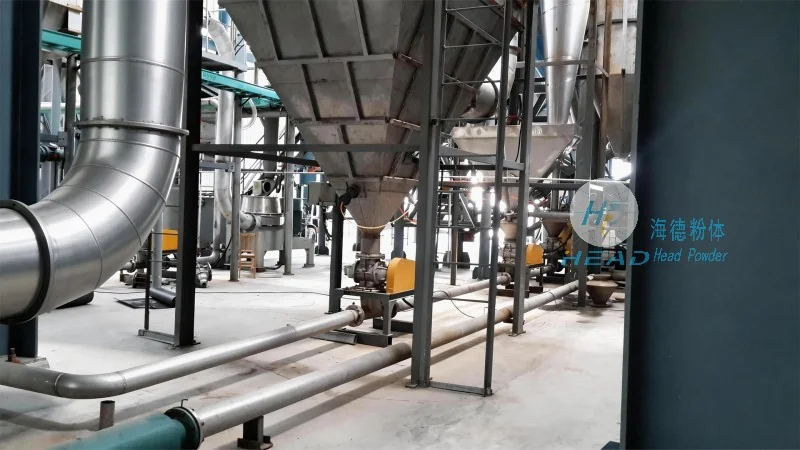
5. Control and Monitoring Systems
Modern pneumatic conveying systems for barium sulfate are often equipped with control and monitoring systems that allow for real-time management of the process. These systems may include sensors to monitor air pressure, flow rate, and material level, as well as control valves and actuators to adjust the system parameters as needed. The control system helps to optimize the operation of the conveying process, ensuring that it runs efficiently and safely. It also provides data for process analysis and maintenance planning, which can help to extend the lifespan of the equipment and reduce operational costs.
Role of Shandong HeadPowder Engineering Co., Ltd. in Pneumatic Conveying Solutions
Shandong HeadPowder Engineering Co., Ltd., commonly known as HeadPowder, is a leading provider of specialized engineering solutions for material handling, including pneumatic conveying systems for barium sulfate. With a focus on innovation and customer-centric design, HeadPowder offers tailored solutions that address the unique challenges of handling barium sulfate in industrial settings. The company's expertise lies in the design, manufacturing, and installation of comprehensive pneumatic conveying systems that meet the specific requirements of clients, ensuring reliable and efficient material transport.
Address and Operational Base
HeadPowder is headquartered in Shandong, China, with a dedicated facility that supports the development and production of its pneumatic conveying systems. The company's operational base in Shandong provides access to a skilled workforce and advanced manufacturing capabilities, enabling the production of high-quality equipment that meets international standards. The location also facilitates efficient logistics and supply chain management, ensuring timely delivery of products to clients worldwide.