

Principle and Working Scene Characteristics of Sintered Dust Pneumatic Conveying Equipment
HeadPowder, a leading engineering firm headquartered in Shandong, China, specializes in the design and implementation of advanced pneumatic conveying systems for industrial applications. This article explores the fundamental principles behind sintered dust pneumatic conveying machines and highlights the key characteristics of their operational environments.
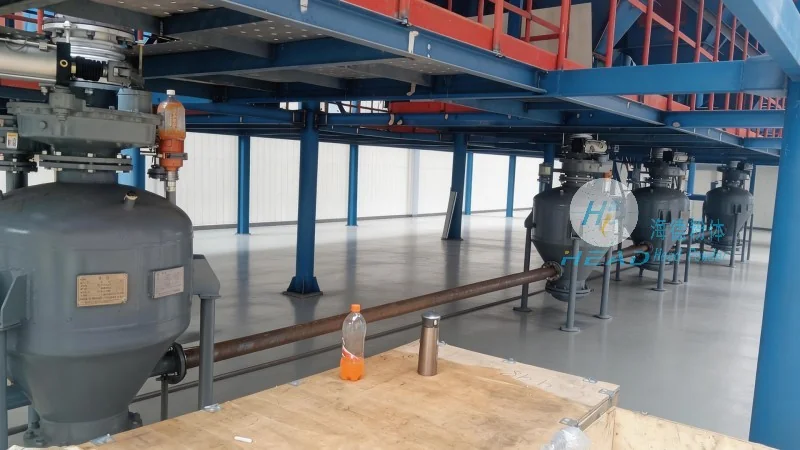
Understanding the Core Principles of Sintered Dust Pneumatic Conveying
Sintered dust pneumatic conveying systems operate on the principle of transporting particulate materials, such as sintered dust, through a pipeline using a moving gas stream. Typically, compressed air or other gases are employed as the motive force, creating a flow that lifts and propels the dust particles. The efficiency of this process depends on several critical factors, including the velocity of the gas, the design of the conveying pipeline, and the physical properties of the sintered dust itself. Engineers at HeadPowder meticulously analyze these variables to ensure optimal performance, minimizing energy consumption while maximizing material throughput.
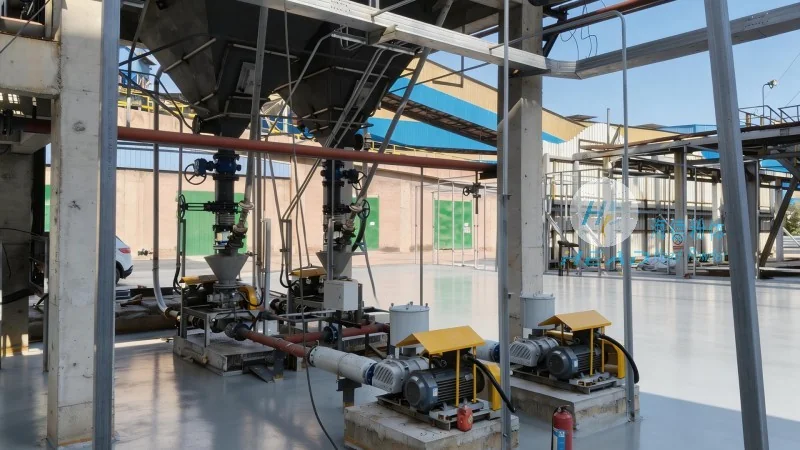
Key Working Scene Characteristics of Sintered Dust Pneumatic Conveying Systems
The operational environments for sintered dust pneumatic conveying equipment are diverse and often demanding. These systems are commonly found in industrial settings like steel mills, metallurgical plants, and chemical processing facilities, where the handling of sintered dust is a critical step in production processes. The working scenes are characterized by several distinct features that influence system design and performance. For instance, the dust may have varying particle sizes, moisture content, or abrasive properties, which require specialized equipment to prevent wear and maintain efficiency. Additionally, the need for dust collection and environmental compliance adds another layer of complexity to the operational landscape. HeadPowder's expertise lies in tailoring solutions that address these challenges, ensuring reliable and sustainable operation in challenging industrial environments.
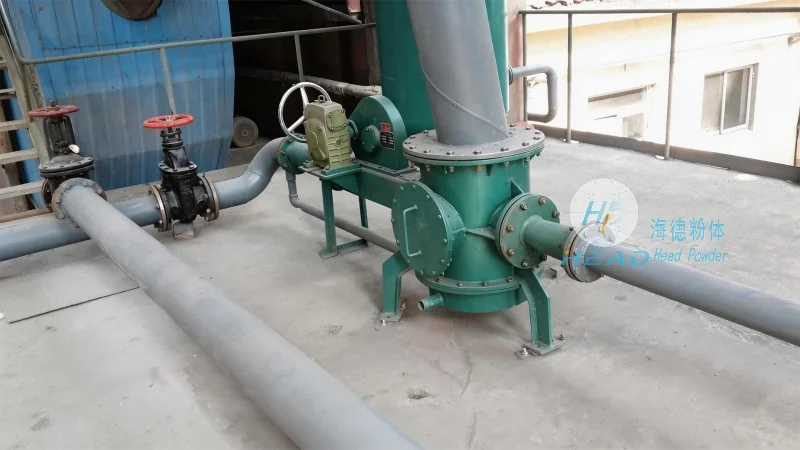
Applications and Benefits in Industrial Settings
The practical applications of sintered dust pneumatic conveying systems extend across multiple industries, offering significant advantages over traditional methods like belt conveyors or manual handling. In steel production, for example, these systems efficiently transport sintered material from the sintering plant to downstream processing units, improving workflow and reducing labor costs. The benefits also include reduced dust emissions, lower maintenance requirements, and enhanced safety in the workplace. By leveraging the principles of pneumatic transport, HeadPowder's systems provide a flexible and efficient solution for handling sintered dust, adapting to the unique demands of each industrial application while maintaining high standards of performance and reliability.