

Principle and Working Scene Characteristics of Stearic Acid Sodium Pneumatic Conveying Machine
HeadPowder, a leading provider in the field of material handling solutions, specializes in advanced pneumatic conveying systems tailored for various industrial applications. With a strong presence in Shandong, China, the company has established itself as a trusted partner for businesses seeking efficient and reliable equipment for transporting bulk materials like stearic acid sodium. This article delves into the fundamental principles behind the operation of a stearic acid sodium pneumatic conveying machine and explores the key characteristics of its working environments, offering insights into how such systems enhance operational efficiency across different industries.
Understanding the Core Principle of Stearic Acid Sodium Pneumatic Conveying
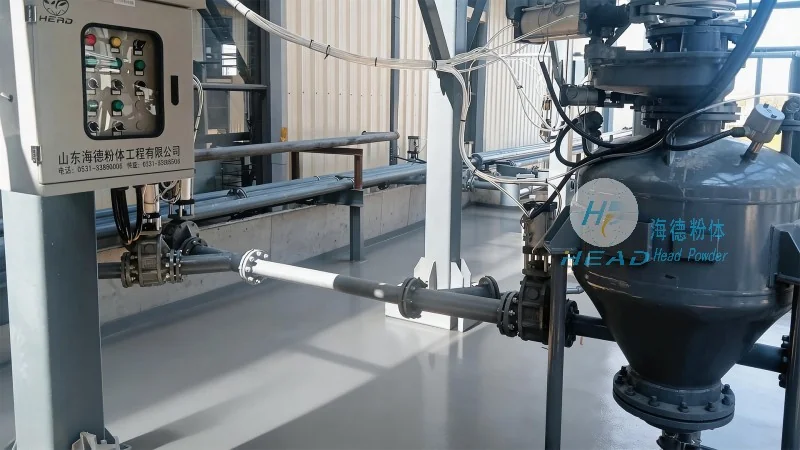
The stearic acid sodium pneumatic conveying machine operates on the principle of pneumatic transport, which involves the use of air or gas to move bulk materials through a pipeline system. Unlike traditional mechanical conveyors, this method eliminates the need for moving parts in contact with the material, reducing wear and tear and minimizing the risk of contamination. The system typically consists of a hopper, a rotary airlock valve, a conveying line, and a dust collector or filter. When the material is introduced into the hopper, it is fed into the conveying line via the rotary airlock valve, which controls the flow rate. Compressed air is then introduced at the discharge end of the line, creating a low-pressure zone that draws the material along with the air stream. This combination of air and material forms a dense phase or dilute phase flow, depending on the system design and operational parameters. The dense phase conveying, in particular, is preferred for stearic acid sodium as it minimizes product degradation and ensures a smooth, continuous flow. The machine's design allows for precise control over the air pressure and flow rate, enabling operators to adjust the conveying speed and volume according to the specific requirements of the material and the application.
Key Working Scene Characteristics and Applications
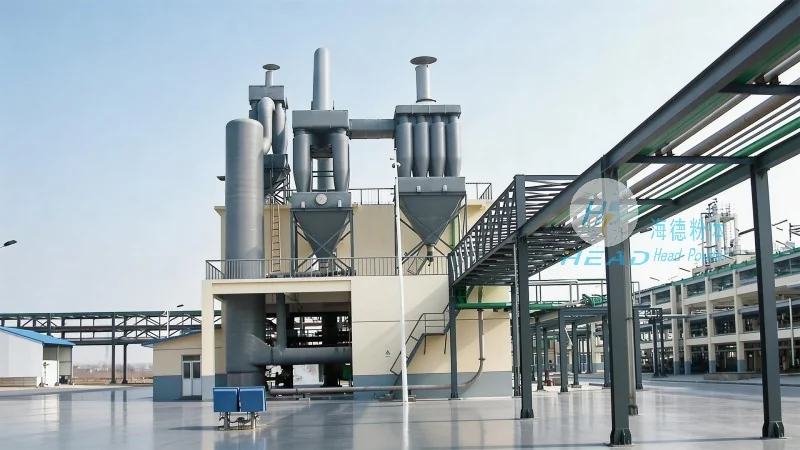
The working scene characteristics of a stearic acid sodium pneumatic conveying machine are tailored to meet the demands of diverse industrial settings. These systems are commonly employed in sectors such as chemical manufacturing, pharmaceuticals, food processing, and cosmetics, where the handling of fine or powdery materials requires high levels of precision and cleanliness. One of the primary advantages of this technology is its ability to transport materials over long distances without the need for intermediate storage or transfer points, which streamlines production processes and reduces downtime. The machine's compact design and low maintenance requirements make it suitable for both new installations and retrofitting into existing facilities. In chemical plants, for instance, the system can efficiently convey stearic acid sodium from storage silos to processing units, ensuring a consistent supply of raw material for production. In the food industry, the hygienic design of the pneumatic conveyor, with its smooth surfaces and easy-to-clean components, complies with stringent regulatory standards, making it ideal for handling food-grade powders. Additionally, the system's ability to handle materials with varying moisture content and particle sizes makes it versatile for different production lines. The working environment is characterized by controlled air pressure and temperature, which helps maintain the quality of the stearic acid sodium during transport. The integration of dust collection systems further enhances safety and environmental compliance, ensuring that the operation is both efficient and responsible.
Operational Efficiency and Advantages in Industrial Settings
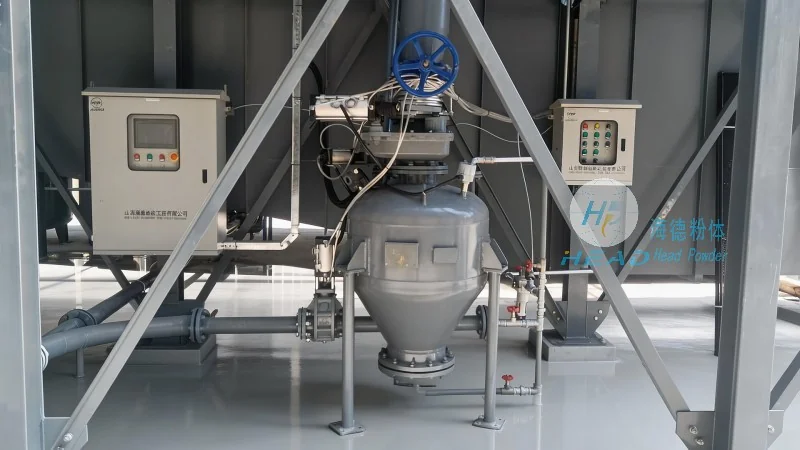
When integrated into industrial workflows, the stearic acid sodium pneumatic conveying machine offers several key advantages that contribute to overall operational efficiency. The system's ability to convey materials in a continuous, uninterrupted manner reduces the need for manual handling and minimizes the risk of material loss or spillage. This not only improves productivity but also enhances workplace safety by eliminating the need for workers to handle bulk materials manually. The precise control over flow rates and pressure allows for better inventory management, as the system can be adjusted to match the production demand in real-time. Furthermore, the low energy consumption of pneumatic conveying compared to traditional mechanical systems results in cost savings over the long term. The system's reliability is another critical factor, as it requires minimal maintenance and has a longer service life due to the absence of moving parts that come into direct contact with the material. In the context of Shandong HeadPowder Engineering Co., Ltd., the company's expertise in designing and manufacturing these systems ensures that clients receive equipment that is optimized for their specific operational needs. The company's location in Shandong, China, provides access to a robust supply chain and skilled workforce, enabling the production of high-quality, customized pneumatic conveying solutions. The working scene characteristics, including the system's adaptability to different material properties and operational conditions, make it a valuable asset for businesses looking to enhance their material handling capabilities. By understanding the principle and working scene characteristics of the stearic acid sodium pneumatic conveying machine, industries can leverage this technology to improve efficiency, reduce costs, and maintain product quality throughout the material transport process.