

Preventing Pipeline Blockages in Pneumatic Conveying of Pearl Salt: Key Design Parameters
Pneumatic conveying systems are widely used in the transportation of bulk materials like pearl salt, offering efficient and flexible solutions for industrial applications. However, one of the major challenges in such systems is the risk of pipeline blockages, which can lead to operational disruptions and increased maintenance costs. Understanding the underlying causes of blockages and implementing appropriate design parameters is crucial for ensuring smooth and reliable operation. This article explores effective strategies to prevent pipeline blockages in pneumatic conveying systems specifically for pearl salt particles, along with key design considerations that enhance system performance.
Understanding the Nature of Pearl Salt and Its Impact on Conveying
Pearl salt, also known as coarse salt or granular salt, consists of irregularly shaped particles with varying sizes and densities. These characteristics significantly influence the behavior of the material during pneumatic transport. The particle size distribution, moisture content, and bulk density of pearl salt affect how easily it can be suspended and moved through the pipeline. For instance, larger or wetter particles may have higher friction coefficients, increasing the likelihood of agglomeration and blockage. Therefore, it is essential to consider these material properties when designing a pneumatic conveying system for pearl salt.
Key Design Parameters to Prevent Pipeline Blockages
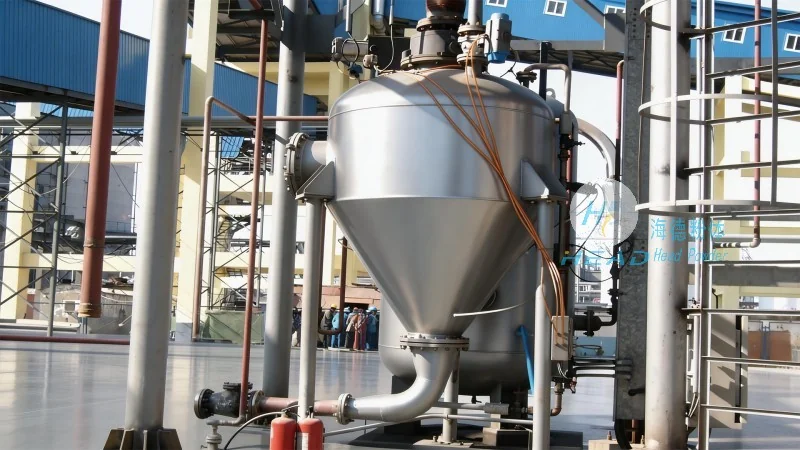
Several critical design parameters must be optimized to minimize the risk of pipeline blockages in pneumatic conveying systems for pearl salt. These parameters include:
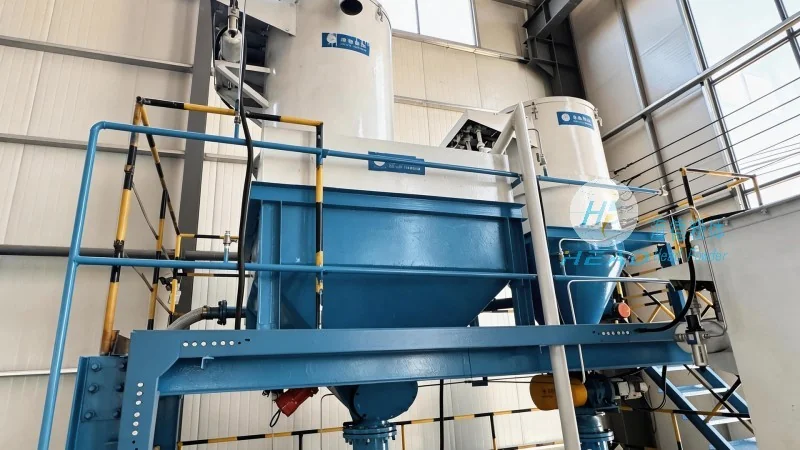
- Flow Velocity and Air Pressure: Maintaining an appropriate flow velocity is fundamental to preventing blockages. The velocity must be high enough to keep the particles in suspension but not excessively high to cause excessive wear on the system components. Typically, the conveying velocity for pearl salt is set between 10 to 25 meters per second, depending on the particle size and density. The air pressure in the system also plays a vital role; higher pressure can improve particle suspension but may increase energy consumption and the risk of pressure-related failures if not properly managed.
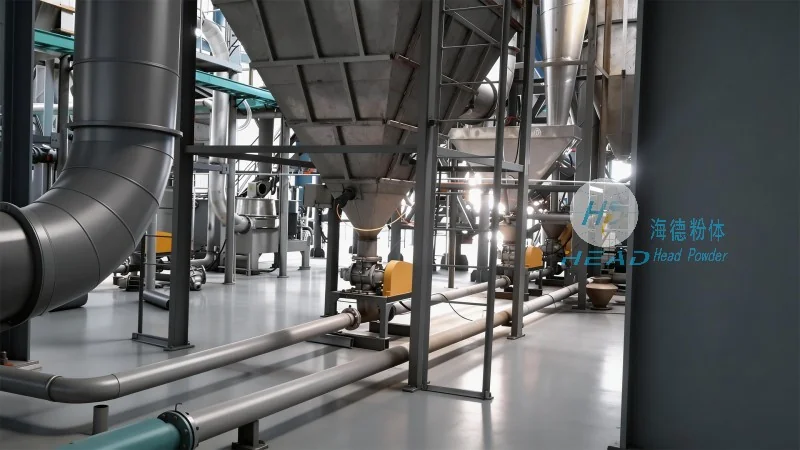
- Pipeline Diameter and Material: The diameter of the conveying pipeline is a critical factor. Smaller diameters increase the risk of blockage as the particles have less space to move and are more likely to come into contact with the pipe walls, leading to friction and agglomeration. For pearl salt, a pipeline diameter of at least 100 mm is recommended to accommodate the particle size and reduce the likelihood of blockages. The material of the pipeline, such as stainless steel or PVC, also affects the system's performance. Stainless steel is preferred for its corrosion resistance and durability, especially in environments where the salt may be contaminated with moisture or other substances.
- System Configuration and Bends: The layout of the pneumatic conveying system, including the number and angle of bends, significantly impacts the risk of blockages. Sharp bends can cause particles to impact the pipe walls, leading to wear and potential blockage. Using larger radius bends or gradual transitions can help minimize these issues. Additionally, the inclusion of expansion joints or flexible connectors can absorb vibrations and reduce stress on the system, further preventing blockages caused by mechanical stress.
- Filter and Separator Design: Proper filtration is essential to remove any foreign materials or moisture from the air stream, which can contribute to blockages. The filter should be designed to handle the specific characteristics of pearl salt, such as its particle size and potential for agglomeration. Regular maintenance of the filter is also crucial to ensure optimal performance and prevent clogging.
- Control and Monitoring Systems: Implementing advanced control and monitoring systems can help detect and prevent blockages in real-time. Sensors can be installed to monitor pressure, flow rate, and particle density, providing early warnings of potential issues. Automated control systems can adjust the air pressure or flow velocity as needed to maintain optimal conditions and prevent blockages from developing.
Conclusion: Ensuring Reliable Operation with Proper Design
Preventing pipeline blockages in pneumatic conveying systems for pearl salt requires a comprehensive approach that considers the material properties, system design, and operational parameters. By optimizing flow velocity, pipeline diameter, system configuration, and incorporating effective control and monitoring systems, the risk of blockages can be significantly reduced. Shandong HeadPowder Engineering Co., Ltd., a leading provider of pneumatic conveying solutions, specializes in designing and manufacturing systems tailored to the specific needs of pearl salt transportation. With years of experience and expertise in the field, the company ensures that its systems meet the highest standards of efficiency and reliability, helping clients maintain smooth operations and minimize downtime.